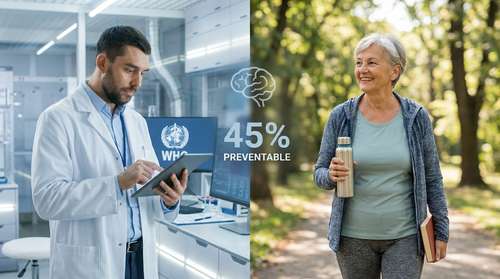
Forget grueling marathons and expensive gym memberships. The latest breakthrough in longevity requires nothing more than the stairs in your home or a frantic sprint to catch the morning train. For years, health experts have debated the optimal formula for a long, vibrant life, but a massive new analysis offers a refreshingly accessible solution. If you are searching for the ultimate reduce dementia risk exercise, the answer might just be hiding in plain sight within your daily routine.
A landmark investigation involving 96,000 adults, published today, March 30, 2026, reveals that mere minutes of high-intensity movement can fundamentally alter your biological trajectory. By tracking wearable device data over several years, researchers discovered that accumulating just three to four minutes of intense effort daily slashes the risk of cognitive decline and severe metabolic conditions.
The Astonishing Findings on Short Bursts of Exercise
The highly anticipated European Heart Journal study dementia findings present a paradigm shift in how medical professionals view physical exertion. Researchers isolated instances of vigorous intermittent lifestyle physical activity—brief, sporadic bouts of intense effort done as part of daily living, rather than dedicated gym sessions.
The statistics are incredibly compelling. Participants who engaged in these short bursts of exercise experienced a 63% lower risk of developing dementia compared to their sedentary peers. Furthermore, the exact same cohort saw a 60% reduction in their risk for type 2 diabetes. What makes this data so groundbreaking is that these individuals did not classify themselves as active exercisers. They were simply moving with purpose and intensity through their everyday environment.
Understanding Vigorous Physical Activity Benefits
Why do such minimal time investments yield such dramatic physiological rewards? The secret lies in the acute stress response. When you push your body to maximum effort, even for just 60 seconds, your heart rate spikes rapidly, forcing your vascular system to adapt and strengthen in real-time.
These vigorous physical activity benefits extend deep into cellular metabolism. High-intensity bursts improve insulin sensitivity almost instantly, allowing muscles to absorb glucose efficiently and keeping blood sugar levels perfectly stable. For the brain, this rapid increase in blood flow acts as a powerful flush. Intense exertion triggers the release of Brain-Derived Neurotrophic Factor (BDNF), a crucial protein that strengthens neural connections and supports the survival of existing neurons, directly combatting the physical brain atrophy linked to cognitive decline.
Quality Over Quantity in Healthy Aging News 2026
Public health guidelines have historically focused on accumulating 150 minutes of moderate activity weekly. While that baseline remains valid, the current healthy aging news 2026 narrative is heavily pivoting toward intensity as a crucial independent variable. You do not necessarily need a prolonged sweat session to trigger the genetic pathways associated with longevity; you just need to safely challenge your cardiovascular limits, however briefly.
Longevity Activity Hacks: Practical Implementation
Harnessing these neuroprotective benefits does not require a personal trainer, specialized equipment, or a significant time commitment. The most effective longevity activity hacks involve transforming mundane daily chores into powerful cardiovascular triggers. Here is how you can seamlessly integrate intensity into your day:
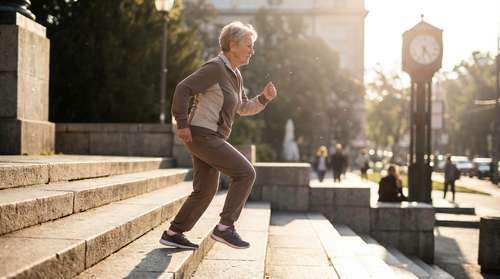
- Master the Stairs: Opt for the stairs instead of the elevator, and take them at a brisk, uninterrupted pace to rapidly elevate your heart rate.
- Power Through Chores: Carry heavy groceries from the car in a single, hurried trip, or aggressively vacuum the living room without pausing.
- Strategic Sprints: Choose the steepest path when walking the dog, or safely jog the last block back to your house.
The ultimate goal is simply to reach a physical state where holding a normal conversation becomes temporarily difficult due to heavy breathing.
Preventing Age-Related Chronic Diseases Naturally
The implications of these findings stretch far beyond cognitive and metabolic health alone. The comprehensive data indicates that preventing age-related chronic diseases—a list encompassing eight major conditions including coronary artery disease, heart failure, stroke, and specific obesity-related cancers—is highly responsive to these micro-doses of intensity.
Because intense physical exertion rapidly lowers systemic inflammation and improves overall cardiorespiratory fitness, it simultaneously builds a defensive biological barrier against multiple conditions that typically plague older adults. For millions of people who cite a lack of time as their primary barrier to physical fitness, this breakthrough research dismantles the final excuse. It democratizes health, proving that our bodies are incredibly efficient at utilizing whatever physical challenges we throw at them. By simply injecting a little urgency into your daily movements, you can actively protect your brain and body for decades to come.