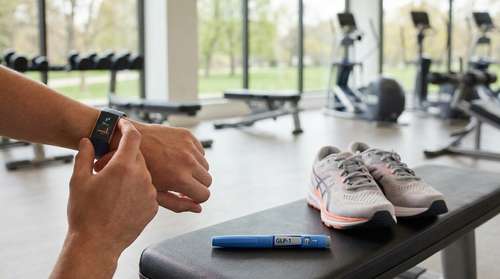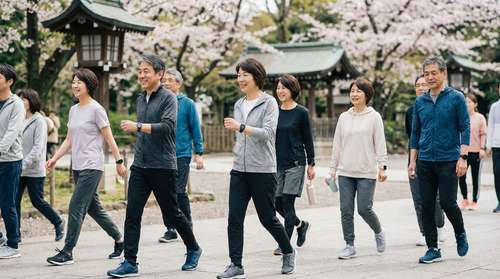
As the wellness landscape shifts in early 2026, the era of grueling, high-intensity burnout is officially giving way to smarter, more sustainable movement. At the forefront of this shift is the Japanese walking method, a scientifically validated approach that has rapidly become the breakout fitness routine of the year. According to recent global fitness reports, this structured technique—which alternates between three minutes of high-intensity power walking and three minutes of slow recovery—is currently outpacing traditional gym workouts in search volume and daily adoption. If you are looking for highly effective, low-impact cardio for longevity, this minimalist protocol might be exactly what your body needs.
Born from decades of clinical research rather than a fleeting social media fad, Japanese interval walking is reshaping how we view everyday activity. For years, the 10,000-step goal has been the gold standard for daily movement. However, emerging research confirms that intensity and structure matter significantly more than raw step volume. Instead of obsessing over arbitrary step counts, experts are pointing toward the undeniable interval walking benefits that come from manipulating your heart rate through brief, structured bursts of effort.
What Exactly Is the Japanese Walking Method?
The Japanese walking method, formally known in clinical settings as Interval Walking Training (IWT), was developed by Dr. Hiroshi Nose and his research team at Shinshu University in Nagano, Japan. After studying the exercise habits of thousands of middle-aged and older adults, researchers discovered that continuous, steady-pace walking—while better than being sedentary—often failed to yield significant improvements in cardiovascular fitness or muscle strength.
To solve this plateau, they engineered a brilliantly simple 30-minute protocol. The technique requires you to walk at a brisk, purposeful pace for three minutes, aiming for about 70 percent of your maximum effort. At this intensity, you should be breathing heavily enough that holding a fluid conversation becomes difficult. Immediately following this burst, you slow down to a relaxed, leisurely stroll for three minutes at roughly 40 percent effort to recover. You simply repeat this alternating cycle five times.
The Science Behind Interval Walking Benefits
The primary reason this routine is dominating 2026 fitness trends comes down to its exceptional physiological return on investment. Clinical studies surrounding IWT have demonstrated that this specific 3-3 rhythm triggers bodily adaptations that steady-state walking simply cannot match. A 30-minute session typically accumulates only 3,000 to 4,000 steps. Yet, it delivers a far stronger cardiovascular stimulus than an hour of casual, continuous strolling.
When you push your body during the fast intervals, you force your cardiovascular system to adapt to a higher demand, which increases your aerobic capacity. During the recovery phases, your heart rate lowers, allowing you to sustain the workout longer than a traditional high-intensity interval training session. Researchers found that practitioners of this method improved their cardiovascular fitness by up to 20 percent and increased their thigh muscle strength by up to 20 percent over a five-month period.
Furthermore, the protocol is highly effective for overall metabolic health. It has been shown to lower blood pressure, improve blood sugar regulation, and boost bone mineral density, which is crucial for staving off osteoporosis as we age. For those wanting maximum results without the joint wear-and-tear of running, it provides the ultimate low-impact cardio for longevity.
Why This Fits Perfectly Into 2026 Fitness Trends
The fitness industry in 2026 has witnessed a massive cultural pivot. Consumers are moving away from exhausting, joint-punishing routines and embracing practices that protect the nervous system and promote sustainable health. This shift has popularized concepts like exercise snacking—the practice of breaking physical activity into short, manageable bursts throughout the day rather than enduring a continuous, grueling gym session.
While the traditional Japanese walking method is executed as a continuous 30-minute block, its interval structure aligns perfectly with the exercise snacking philosophy. The intense three-minute intervals act as micro-doses of physical stress that strengthen the heart, while the recovery periods ensure you never cross the threshold into exhaustion. We are also seeing a rise in bio-syncing, a trend where individuals align their workouts with their circadian rhythms. The method is uniquely versatile for this; a morning session serves as an energizing start to the day, while an evening walk can aid in digestion and blood glucose regulation after dinner.
Building Your Heart Health Walking Routine
Integrating this practice into your weekly schedule is remarkably straightforward. To build a robust heart health walking routine using this approach, consistency is more important than sheer volume. Health experts recommend aiming for four days a week to see transformative results.
- Start with a warm-up: Begin with five minutes of gentle strolling to lubricate your joints and prepare your muscles for the brisk intervals.
- Focus on form: During your three-minute power intervals, pump your arms intentionally, keep your chest elevated, and lengthen your stride. Your posture plays a critical role in engaging your core and upper body.
- Listen to your breathing: You do not need a smartwatch to succeed at Japanese interval walking. Use the "talk test." During the fast intervals, speaking should require effort. During the slow intervals, you should be able to chat comfortably.
- Cool down: Finish your session with a few minutes of slow walking to bring your heart rate down gradually.
Maximizing Your Results
To keep the routine engaging, consider switching up your environment. Taking your interval walk to a local park or nature trail can combine the physical benefits of the workout with the stress-reducing effects of being outdoors. Because the routine is so adaptable, it suits individuals of virtually all fitness backgrounds—from sedentary beginners looking for a safe entry point to lifelong athletes seeking active recovery days.
Ultimately, the staying power of the Japanese walking method lies in its elegant simplicity. By honoring the body's natural need for both effort and recovery, it transforms a basic human movement into a potent tool for lifelong health. As we continue through 2026, this three-minute trick proves that sometimes the most revolutionary fitness innovations are the ones that take us back to basics.