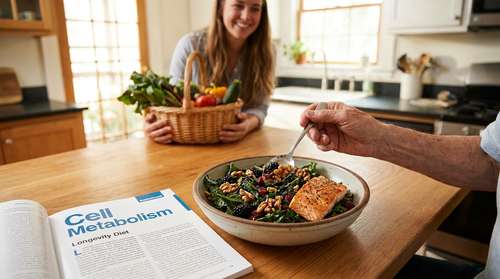
A massive new analysis from the Harvard T.H. Chan School of Public Health has upended decades of diet wars, revealing that the specific food quality vs diet composition is the true determinant of cardiovascular longevity. The study, published yesterday in the Journal of the American College of Cardiology (JACC), analyzed data from nearly 200,000 participants over 30 years and found that adhering to strictly "low-carb" or "low-fat" regimens offers no heart protection unless the diet emphasizes high-quality, plant-based ingredients.
The End of the Macronutrient Wars?
For years, dieters have been polarized between reducing carbohydrates or cutting fats. However, this groundbreaking Harvard nutrition study 2026 suggests that both camps may be right—or wrong—depending entirely on what ends up on the plate. The research, led by Dr. Zhiyuan Wu, a postdoctoral research fellow at Harvard, demonstrates that healthy versions of both diets significantly reduce the risk of coronary heart disease (CHD), while their unhealthy counterparts actually increase it.
"Our findings highlighted that it's not simply about cutting carbs or fat, but it's about the quality of foods people choose to construct those diets," Dr. Wu stated in a press briefing Wednesday. The study showed that individuals who followed healthy versions of either diet—rich in whole grains, plant-based proteins, and unsaturated fats—saw a reduction in heart disease risk of approximately 15%.
30 Years of Data: A Massive Scope
The researchers leveraged an unprecedented dataset comprising 5.2 million person-years of follow-up from three major cohorts: the Nurses’ Health Study, the Nurses’ Health Study II, and the Health Professionals Follow-Up Study. Tracking 198,473 participants and documenting over 20,000 cases of coronary heart disease, the scale of this analysis provides some of the most robust evidence to date on how to prevent heart disease with diet.
Researchers categorized participants' diets not just by macronutrient ratios, but by the source of those nutrients. "Unhealthy" low-carb diets (high in animal proteins and fats) and "unhealthy" low-fat diets (high in refined carbohydrates and sugars) were associated with adverse metabolic profiles and increased cardiovascular risk. This distinction is critical in an era where processed "keto-friendly" snacks and high-sugar "low-fat" yogurts saturate the market.
Metabolomics: The Biological Proof
Beyond self-reported dietary habits, the study broke new ground by incorporating metabolomics—the analysis of small molecules in the blood that reflect the body's metabolic state. The team found that healthy low-carb and low-fat diets shared common biological signatures, including lower levels of inflammation-causing lipids and triglycerides.
"These results suggest that healthy low-carbohydrate and low-fat diets may share common biological pathways that improve cardiovascular health," Wu explained. This finding challenges the long-held belief that these diets work through fundamentally different mechanisms. Whether you are reducing carbs or fats, the plant-based cardiovascular benefits stem from nutrient density and the absence of inflammatory processed ingredients.
Expert Perspectives
Dr. Harlan M. Krumholz, Editor-in-Chief of JACC, emphasized the paradigm shift this research represents. "This study helps move the conversation beyond the long-standing debate over low-carbohydrate versus low-fat diets," Krumholz noted. "The findings show that what matters most for heart health is the quality of the foods people eat."
Practical Takeaways for Your Plate
What does this mean for the average consumer? The JACC diet quality research points to a flexible approach. You don't need to strictly eliminate an entire food group. Instead, focus on these core principles:
- Prioritize Whole Grains: Whether low-carb or low-fat, whole grains heart health benefits are undeniable compared to refined starches.
- Choose Plant Proteins: Beans, lentils, nuts, and soy should replace processed meats and excessive red meat.
- Avoid "Low-Nutrient" Labels: A cookie labeled "low-fat" or a pork rind bag labeled "low-carb" are equally detrimental if they lack nutritional value.
As the scientific consensus shifts, the message is becoming simpler: Ignore the hype on the front of the package and read the ingredients on the back. Quality, it seems, is the only metric that truly counts.