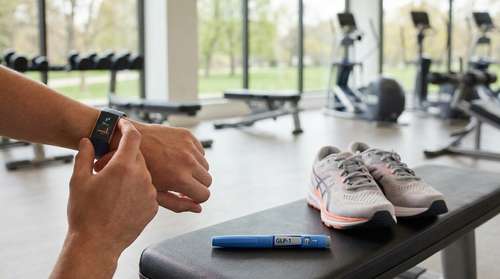
Just this week, the release of the 2026 US Health & Fitness Consumer Report sent shockwaves through the medical and wellness communities. While breakthrough weight-loss medications have undeniably revolutionized metabolic health, clinical experts are sounding the alarm on a hidden, parallel epidemic: sarcopenic obesity. Rapid weight reduction from popular incretin therapies frequently strips away critical lean tissue alongside fat. To combat this severe side effect, the newly published GLP-1 fitness guidelines 2026 establish a mandatory clinical standard for all patients: structured strength training. Welcome to the latest major development in healthvot fitness news.
The Sarcopenic Obesity Crisis Explained
When patients shed pounds rapidly on pharmacological treatments, they aren't merely losing body fat. Clinical data tracked over the last two years reveals a staggering reality: up to 40% of the weight lost during GLP-1 receptor agonist therapy comes directly from lean muscle mass. Without immediate lifestyle intervention, this medically induced rapid weight drop creates the perfect physiological storm for sarcopenic obesity.
This condition occurs when an individual achieves a "normal" body weight or BMI on the scale, but their internal composition features critically low muscle mass coupled with lingering visceral fat. The implications extend far beyond aesthetics. Muscle tissue serves as the primary engine of human metabolism and glucose regulation. Losing significant skeletal muscle compromises immune function, diminishes bone density, and drastically increases the risk of falls and disability, particularly in patients over the age of fifty.
Fewer than one in four American adults currently meet recommended physical activity levels before beginning weight-loss therapies. Consequently, many begin their medical journey with already low baseline muscle reserves, making the subsequent drug-induced tissue wasting even more detrimental to their long-term health.
The Shift Toward Muscle-First Weight Loss
Because of these alarming clinical statistics, medical professionals are completely overhauling their approach to obesity treatment. The antiquated advice of simply "eating less and taking daily walks" is no longer biologically sufficient for patients relying on advanced appetite suppressants. We have officially entered the era of muscle-first weight loss, a clinical paradigm where preserving lean tissue takes equal priority to burning adipose fat.
This massive shift in standard care is exactly why the GLP-1 fitness guidelines 2026 firmly advocate for resistance exercise as a non-negotiable prescription alongside the medication. Physicians are now instructed to actively monitor body composition metrics, ensuring that the structural integrity of the human body remains intact during dramatic physical transformations.
Metabolic Resistance Training Protocols
How do patients successfully prevent muscle loss on Ozempic, Wegovy, or emerging dual-agonist medications? The definitive answer lies in applied mechanical tension. The 2026 consumer report and accompanying clinical standards specifically endorse the integration of Metabolic Resistance Training protocols (MRT) into daily routines.
MRT is a highly efficient, science-backed exercise methodology combining moderate-to-heavy resistance movements with strictly minimized rest periods. This specific physical stimulus forces the central nervous system to retain existing muscle fibers. By subjecting the body to heavy mechanical loads, MRT signals to the brain that lean tissue is essential for survival, forcing the body to prioritize burning stored fat for its caloric energy deficit instead.
Engaging in these Metabolic Resistance Training protocols enhances mitochondrial function, protects the basal metabolic rate, and prevents the notorious weight-regain rebound that often follows the cessation of medication.
Crafting Your Sarcopenic Obesity Exercise Plan
To actively combat pharmacologically induced muscle wasting, patients must transition from passive weight loss to active tissue management. Implementing a structured sarcopenic obesity exercise plan is no longer just an optional fitness goal; it is the ultimate form of strength training for longevity.
According to the newly minted 2026 guidelines, an effective muscle-preservation routine requires several foundational pillars:
- Consistent Frequency: Engage in dedicated, full-body resistance training a minimum of two to three times per week to maintain continuous protein synthesis.
- Compound Movements: Prioritize multi-joint exercises such as squats, deadlifts, weighted lunges, and rows. These movements recruit maximum muscle fibers and trigger a robust hormonal response.
- Progressive Overload: Gradually increase the resistance, weight, or mechanical tension over time. Static routines lead to static results.
- Nutritional Synergy: Pair your physical efforts with high-quality daily protein intake, optimally distributed across multiple meals, to supply the amino acids required for cellular repair.
Protecting Your Future Mobility
Whether you utilize free weights, heavy resistance bands, or advanced functional strength equipment, the underlying objective remains unchanged: generate sufficient muscular tension to justify keeping the tissue. Muscle is biologically expensive to maintain; without a compelling physical reason, a body in a steep caloric deficit will quickly discard it.
As pharmaceutical weight-management interventions continue to evolve at a breakneck pace, our approach to holistic wellness must adapt in tandem. The revelations from the 2026 US Health & Fitness Consumer Report make one directive abundantly clear: medication can initiate the physiological weight-loss process, but intentional, heavy movement dictates the ultimate quality and safety of the result. We will continue monitoring this critical intersection of modern pharmacology and physical resilience right here in our ongoing coverage of healthvot fitness news.