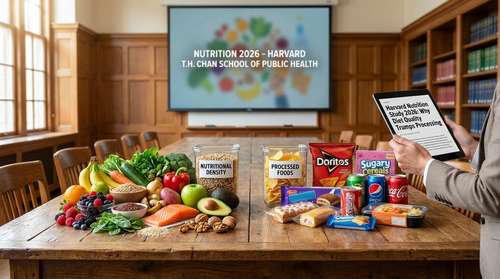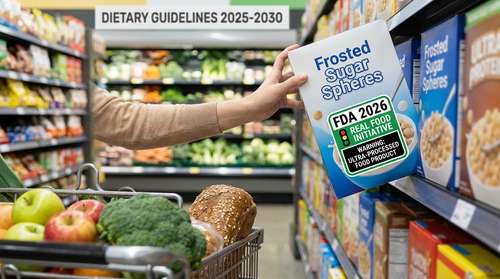
WASHINGTON, D.C. — The Food and Drug Administration (FDA) has officially launched its aggressive 2026 "Real Food" Initiative, marking a decisive turning point in the federal government’s war on chronic disease. In a move that solidifies the Make America Healthy Again nutrition agenda, the agency is fast-tracking mandatory FDA front of package labeling designed to explicitly warn consumers about high levels of added sugars, sodium, and industrial additives.
Mandatory Front-of-Package Labels: The New Normal
The centerpiece of the initiative is the immediate implementation of the "Nutrition Info" box. First proposed in 2025, this black-and-white label will now be mandatory on the front of nearly all packaged goods. Unlike previous voluntary industry standards, this system requires bold "High," "Medium," or "Low" designations for three critical nutrients: saturated fat, sodium, and added sugars.
“We are making it easier for consumers to glance, grab, and go—but with their eyes wide open,” said FDA officials in a press briefing Saturday. The initiative aims to cut through the confusion of marketing buzzwords, forcing manufacturers to clearly disclose when products exceed healthy limits. This regulatory push directly addresses the ultra-processed foods health risks that have been linked to the nation's skyrocketing rates of obesity and diabetes.
2025-2030 Dietary Guidelines: A Return to 'Real Food'
The FDA's enforcement comes on the heels of the historic 2025-2030 Dietary Guidelines for Americans, released earlier this month. The new guidelines represent a seismic shift in federal policy, moving away from the grain-heavy recommendations of the past to a new "Eat Real Food" standard.
For the first time, the guidelines prioritize whole proteins and healthy fats while advising a dramatic reduction in ultra-processed foods. This philosophy is visually represented by the new USDA food pyramid 2026—a graphic that has been described as "flipped on its head" compared to the 1990s original. The new model places high-quality proteins (eggs, poultry, beef, beans) and natural fats at the foundation, relegating refined carbohydrates and processed snacks to the smallest, "limit-strictly" tier.
Healthy SNAP Waivers 2026: Economic Incentives for Health
The federal push extends beyond labeling. As of this week, the USDA has approved Healthy SNAP waivers 2026 for multiple states, including Iowa, Florida, and Arkansas. These waivers allow states to restrict the purchase of non-nutritious items—specifically soda, candy, and energy drinks—using Supplemental Nutrition Assistance Program (SNAP) benefits.
The policy changes align with HHS Secretary Robert F. Kennedy Jr.’s stated goal to stop subsidizing illness. By redirecting billions of dollars in federal spending toward nutrient-dense options, the administration hopes to reverse health disparities in low-income communities. "Taxpayer dollars should nourish families, not feed chronic disease," noted USDA Secretary Brooke Rollins during the rollout.
The End of Artificial Ingredients?
Another pillar of the initiative is the crackdown on synthetic additives. Following the FDA’s announcement last spring regarding the phase-out of petroleum-based dyes, the 2026 initiative sets strict deadlines for compliance. Banning food dyes FDA regulations are targeting Red 40, Yellow 5, and Yellow 6, compelling manufacturers to switch to natural alternatives like beet juice and turmeric.
While industry groups have cited logistical challenges and potential cost increases, the FDA remains firm. The agency is leveraging the new "Real Food" standard to pressure companies into voluntary compliance ahead of mandatory bans, signaling that the era of brightly colored, chemically enhanced processed food is drawing to a close.
Industry Impact and Consumer Choice
Food manufacturers are scrambling to reformulate products to avoid the dreaded "High" warnings on the new front-of-package labels. Early market analysis suggests a surge in demand for whole food ingredients and a rapid decline in the production of high-sugar snacks. For the American consumer, 2026 promises to be the year where the grocery store aisle finally becomes a place of transparency rather than confusion.