As the U.S. moves deeper into January 2026, a sharp mid-winter viral acceleration is catching health officials and the public off guard. Wastewater surveillance data released this week confirms a staggering 41% increase in SARS-CoV-2 concentrations nationwide between late December and the first week of January. This renewed COVID-19 winter surge 2026 is being driven by a pair of highly transmissible new variants: Nimbus (NB.1.8.1) and Stratus (XFG). With hospitals in major metros like Los Angeles reinstating mask mandates and patients reporting distinctive, severe symptoms, Americans are facing a complex respiratory season that defies earlier predictions of a mild winter.
Enter 'Nimbus' and 'Stratus': The New Dominant Strains
The viral landscape has shifted dramatically since late 2025. Two specific variants have outcompeted their predecessors to become the primary drivers of infection. Nimbus (NB.1.8.1), a descendant of the JN.1 lineage, has gained notoriety not just for its speed of transmission but for its symptom profile. Simultaneously, the Stratus (XFG) variant—a recombinant strain—is showing remarkable immune evasion capabilities, allowing it to bypass defenses from previous infections and vaccinations.
Virologists note that while Nimbus binds more tightly to ACE2 receptors, making it exceptionally efficient at entering human cells, Stratus excels at dodging antibodies. This "double tap" of high infectivity and immune escape is responsible for the rapid vertical trajectory seen in epidemiological charts this month. The World Health Organization (WHO) and CDC have escalated monitoring of both strains as they continue to displace older variants like LP.8.1.
Distinct Symptoms: The Return of the 'Razor Blade' Throat
Unlike the generally milder presentations seen in 2024 and 2025, the Nimbus variant symptoms 2026 are proving to be more aggressive for many patients. The most reported clinical feature is an intensely painful, sharp sore throat, widely described by patients as feeling like "swallowing razor blades." This symptom often appears before the onset of congestion or fever, serving as an early warning sign of infection.
COVID Symptoms List January 2026
If you are feeling unwell, be on the lookout for this updated symptom cluster associated with the new variants:
- Severe "razor blade" sore throat (dominant in Nimbus cases)
- Gastrointestinal distress: Nausea, vomiting, and diarrhea are more common with NB.1.8.1 than previous strains.
- Hoarse voice and laryngitis
- Deep fatigue and muscle aches
- Congestion and runny nose
- Fever (though less consistent than in earlier pandemic waves)
Wastewater Trends: A 41% Spike Signals Peak Transmission
The most reliable metric for viral spread continues to be sewage surveillance, and the COVID wastewater trends 2026 are flashing red. Data from the first two weeks of January indicates a 41% jump in viral detection across the United States. This surge is most pronounced in the Northeast and Midwest, though the West Coast is rapidly catching up.
Epidemiologists warn that wastewater levels often precede hospitalization spikes by 10 to 14 days. "What we are seeing in the sewers today will be walking into the ER in two weeks," is the prevailing sentiment among public health data analysts. The sheer volume of viral shedding suggests that the actual infection rate is significantly higher than clinical testing captures, as at-home testing results are rarely reported to health departments.
Hospitals React: Mask Mandates Return
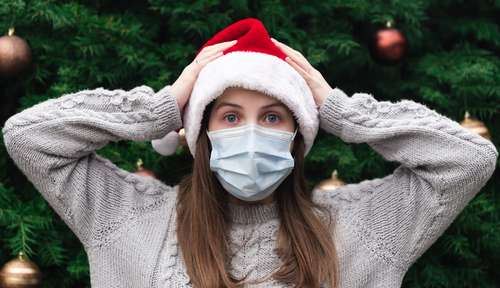
In response to the rising tide of admissions and staff shortages due to illness, healthcare facilities are reinstating protective measures. Hospital mask mandates January 2026 have already returned in several high-transmission areas. Notably, Los Angeles County public health officials recently reinstated masking requirements for healthcare workers and visitors in patient-care areas, citing the dual threat of the COVID surge and high influenza activity.
These mandates are not limited to the West Coast. Hospital systems in Spain and parts of the UK have implemented similar protocols this month, reflecting a global trend of tightening infection controls to protect vulnerable patients and preserve workforce capacity during this critical winter window.
Protection and Vaccine Efficacy
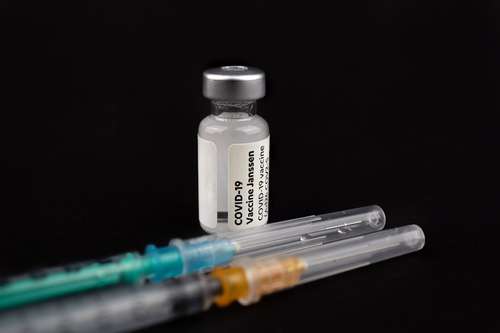
The burning question for many is whether current vaccines hold up against new COVID variants Nimbus Stratus. The 2025-2026 updated boosters, which targeted the LP.8.1 lineage, are still providing robust protection against severe disease and hospitalization, according to early data. However, their ability to prevent symptomatic infection entirely has waned against the highly mutated spike proteins of Nimbus and Stratus.
Experts continue to recommend the latest booster for high-risk groups, including seniors and the immunocompromised. Beyond vaccination, high-quality masking (N95/KN95) in crowded indoor spaces remains the most effective tool against the XFG Stratus variant contagiousness. As the surge nears its projected peak later this month, a return to basic precautions could be the key to navigating the rest of the winter season safely.