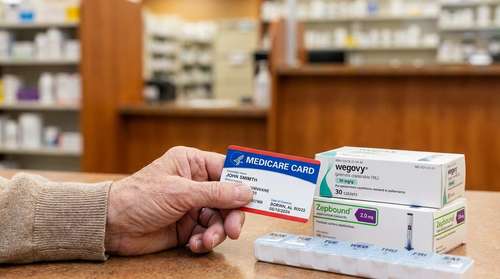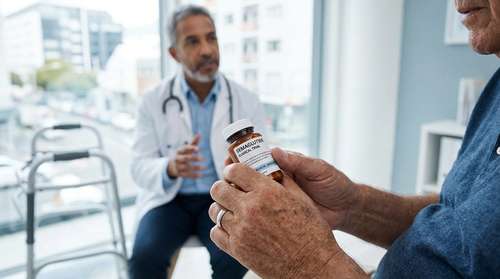
Today at the American College of Physicians meeting, researchers unveiled a groundbreaking semaglutide muscle loss study that is prompting urgent warnings from geriatric specialists. While glucagon-like peptide-1 (GLP-1) receptor agonists have revolutionized obesity treatment, new clinical data reveals a hidden danger for older adults: disproportionately high rates of lean muscle deterioration. Experts from the UNC School of Medicine warn that this rapid decline in muscle density significantly increases the risk of falls and frailty among adults over 60, prompting an immediate call for new senior-specific prescribing guidelines.
The Alarming Link Between Weight Loss Drugs for Seniors and Muscle Decline
Over the last few years, medications like Ozempic, Wegovy, and Mounjaro have become household names. However, the latest findings spotlight the unique vulnerabilities of older populations using these treatments. The presentation at the American College of Physicians highlighted that up to 40 percent of the weight lost by some patients on these medications consists of vital lean muscle mass.
When evaluating weight loss drugs for seniors, physicians must now weigh the cardiovascular and metabolic benefits against severe musculoskeletal risks. As appetite suppression kicks in, older patients frequently fail to consume adequate protein, accelerating the body's natural tendency to break down muscle tissue for energy. This phenomenon has pushed experts to fundamentally rethink how these powerful medications are administered to aging patients. Without intervention, this chemical weight reduction easily strips away the structural support older individuals rely on for daily living.
Sarcopenia and Weight Loss: A Dangerous Combination
The natural decline in muscle mass, strength, and function associated with age is known clinically as sarcopenia. Geriatric researchers at the UNC School of Medicine emphasize that rapid weight reduction from GLP-1 drugs can severely exacerbate this condition, leading to what is called "sarcopenic obesity". In this state, an older adult might successfully achieve a lower, seemingly healthy body mass index (BMI), but they lack the foundational strength required to support their skeletal system.
"Losing muscle mass and strength can lead to sarcopenia, which increases the risk for functional decline, disability, nursing home placement, and death," researchers from UNC School of Medicine have long warned regarding physical function in older adults. If patients lose weight without resistance exercises, they become more vulnerable to everyday stressors and struggle with basic mobility.
How Tirzepatide and Muscle Mass Changes Affect Mobility
While semaglutide has dominated the headlines, researchers also evaluated newer dual-agonist medications. The clinical data concerning tirzepatide and muscle mass paints a similar picture. Because these medications are incredibly effective at driving overall weight reduction, the simultaneous drop in lean tissue can leave patients physically weaker than they were prior to starting the medication. This rapid physiological shift heavily impacts muscle health and aging, stripping seniors of the physical reserves necessary to recover from acute illnesses, navigate stairs, or maintain balance on uneven surfaces.
Strategies for Preventing Falls in Seniors During GLP-1 Therapy
Addressing these GLP-1 side effects 2026 requires a proactive, multifaceted medical approach. For older adults, preserving physical independence is just as critical as managing metabolic diseases like type 2 diabetes. The medical experts outlined several vital interventions for safely managing obesity in aging populations:
- Prioritizing Dietary Protein: Seniors utilizing GLP-1 medications must consume high-quality protein at every meal. Experts recommend a daily intake of 1.2 to 1.5 grams of protein per kilogram of body weight to serve as a metabolic brake against muscle wasting.
- Mandatory Resistance Training: Preventing falls in seniors requires a consistent mechanical stimulus. Incorporating two to three days of progressive resistance training helps signal the body to preserve lean muscle tissue even during a severe caloric deficit.
- Careful Dose Titration: Aggressively pushing to the maximum medication dosage often leads to severe appetite loss and gastrointestinal distress. Slower dose escalation can help seniors maintain sufficient nutritional intake to support muscle retention.
The Urgent Need for Senior-Specific Clinical Guidelines
The revelations from today's American College of Physicians meeting underscore a glaring gap in current medical protocols. Historically, the clinical guidelines for prescribing anti-obesity medications were designed primarily around younger, metabolically active adults. Now, geriatricians and leading medical boards are calling for a complete overhaul of how the healthcare industry approaches pharmacologic weight management in patients over 60.
Adding to the complexity, bone mineral density is intrinsically linked to muscle mass. When older adults experience rapid lean tissue deterioration, they also face an elevated risk of osteoporotic fractures following a fall. Future clinical guidelines must mandate baseline muscle mass assessments and regular physical function tests for any older adult prescribed a GLP-1 receptor agonist. The medical community is quickly realizing that the ultimate goal for older adults should never simply be arbitrary weight loss, but rather achieving an optimal, functional body composition. By prioritizing physical mobility, strength, and lean mass preservation, healthcare providers can ensure that these remarkable therapeutic medications enhance the quality of life for seniors, rather than inadvertently diminishing it.