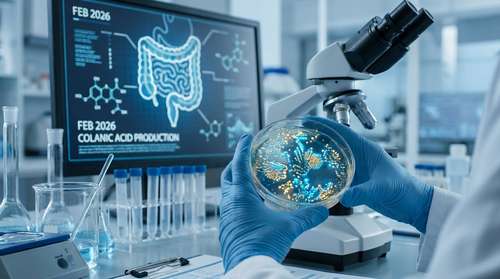
In a monumental shift for longevity science, researchers have discovered a way to transform the bacteria living in your digestive tract into microscopic "anti-aging factories." A landmark study published yesterday, February 1, 2026, details how a specific low-dose treatment can coax common gut microbes to produce colanic acid—a potent compound that repairs cellular damage and significantly extends healthspan. This breakthrough represents a major leap in gut microbiome longevity research, moving beyond simple probiotics to precise chemical reprogramming of our internal ecosystem.
The "Factory" Switch: Reprogramming the Microbiome
For years, the scientific community has understood that the gut microbiome plays a pivotal role in human health, but manipulating it to actively fight aging has remained elusive. The new research, led by Dr. Meng Wang at the Howard Hughes Medical Institute, changes the game. The team identified that exposing E. coli bacteria—common residents of the mammalian gut—to extremely low doses of a specific compound triggers a dormant genetic switch.
Under normal body temperature conditions (37°C), these bacteria typically stop producing colanic acid. However, the study reveals that introducing a precise low-dose trigger forces the bacteria's cps operon (a cluster of genes responsible for protective outer layers) to reactivate. Essentially, the scientists found a way to override the bacteria's thermal programming, turning them into 24/7 generators of life-extending molecules directly inside the host.
Colanic Acid: The Hidden Key to Healthy Aging
Why is colanic acid so critical? According to the findings, this polysaccharide acts as a master regulator for mitochondrial health. Mitochondria, often called the powerhouses of the cell, tend to fragment and lose efficiency as we age, leading to metabolic decline and cellular senescence. Colanic acid healthy aging mechanisms work by optimizing mitochondrial dynamics and activating the mitochondrial unfolded protein response (UPRmt).
Stunning Results in Animal Models
The results, which have sent waves through the anti-aging breakthroughs 2026 community, were profound across multiple species:
- Lifespan Extension: Roundworms (C. elegans) treated with the method lived significantly longer than the control group.
- Metabolic Restoration: In mice, the treatment reversed age-related metabolic issues. Older mice saw dramatic improvements in insulin sensitivity and a reduction in potentially harmful lipid profiles.
- Cellular Protection: The constant supply of colanic acid appeared to shield cells from stress-induced damage, a primary driver of the aging process.
A "Microbiome-First" Approach to Longevity
Perhaps the most exciting aspect of this discovery is its safety profile. Traditional anti-aging drugs often face a major hurdle: systemic toxicity. When you ingest a drug designed to alter cellular metabolism, it enters the bloodstream and affects every organ, often causing unintended side effects in the liver or kidneys.
This new method pioneers a "microbiome-first" strategy. The triggering compound is designed to remain in the gut, never entering the bloodstream. It acts solely on the bacteria. The bacteria then produce the beneficial colanic acid, which is naturally absorbed by the host. This elegant detour allows for high-impact gut health and life extension benefits without exposing the rest of the body to harsh pharmaceutical agents. It is a targeted strike against aging that leverages the trillions of microbes we already carry.
What This Means for Human Healthspan
While the study was conducted on animal models, the implications for humans are immediate and vast. Microbiome longevity research is accelerating, and this specific pathway—using chemical signals to unlock bacterial outputs—could lead to a new class of therapeutics available within the next few years. Instead of taking a pill to fix your cells, you might soon take a "pre-signal" that tells your gut bacteria to fix them for you.
As we navigate the latest longevity science news, it is becoming clear that the secret to a longer, healthier life may not lie in rewriting our own DNA, but in communicating better with the microscopic guests that have been with us all along. By learning how to slow aging naturally through microbial modulation, we are opening the door to a future where aging is not an inevitability to be feared, but a condition to be managed.