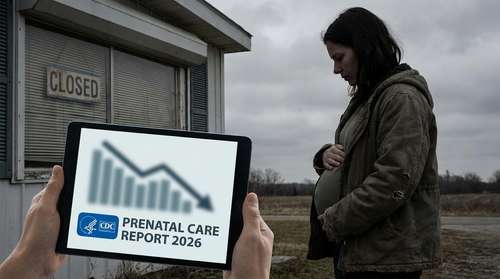
February 20, 2026 – A landmark CDC report released today reveals a startling regression in American maternal health, with the number of women delaying critical prenatal care hitting historic highs. The data, published by the National Vital Statistics System, indicates that access to early obstetric services has plummeted, driven by the rapid expansion of "maternity care deserts" and widespread rural hospital closures.
According to the CDC prenatal care report 2026, the percentage of expectant mothers accessing care during their first trimester has dropped significantly to 75.5%, down from 78.3% just five years ago. Most alarmingly, the report highlights that nearly 1 in 10 pregnant individuals in severe impact zones—including states like Texas, Florida, and New Mexico—are now receiving late or absolutely no prenatal care, drastically increasing the likelihood of preventable complications.
The Rising Tide of Maternity Care Deserts USA
The new federal data paints a grim picture of rural healthcare access for families. The decline in early care is not merely a matter of patient choice but a symptom of a systemic infrastructure collapse. Experts point to the growing prevalence of maternity care deserts USA—counties effectively devoid of obstetric services—as the primary driver of this trend.
With over 35% of U.S. counties now classified as maternity care deserts, millions of women are forced to drive hours to reach the nearest birthing facility. "We have missed the window to optimize fetal and maternal health for a quarter of the country's pregnancies," warns Dr. Clayton Alfonso, an OB-GYN and maternal health advocate. The logistical nightmare of travel, combined with provider shortages, has effectively walled off first-trimester care for vast swaths of the population.
Hardest Hit Regions and Demographics
While the decline in care is nationwide, the maternal health crisis 2026 is unevenly distributed. The report notes that the drop in early prenatal visits is steeper for minority communities. Black mothers, for instance, saw first-trimester care rates fall to just 65.1%. Geographically, the crisis is most acute in the South and Southwest. In the District of Columbia and five states—Florida, Georgia, Hawaii, New Mexico, and Texas—the rate of women receiving late or no care has surged past the 10% threshold.
Delayed Prenatal Care Risks and Consequences
The consequences of skipping early check-ups are severe and life-threatening. The first trimester is a critical period for screening chronic conditions like hypertension and diabetes, which can be managed if caught early. The surge in delayed prenatal care risks is directly correlated with adverse outcomes, including higher rates of preterm birth and maternal mortality.
Medical professionals emphasize that early visits are essential for:
- Confirming viability and establishing accurate due dates.
- Screening for genetic anomalies and infectious diseases.
- Managing pre-existing conditions that could threaten the mother's life.
With 7.3% of women now receiving care only in the third trimester or not at all—a figure that has risen steadily since 2021—obstetricians are seeing more patients arriving in emergency rooms in active labor without any prior medical history, a dangerous scenario for both parent and child.
Behind the Numbers: Why Hospitals Are Closing
The root of this pregnancy health statistics shift lies in the financial instability of rural healthcare. Since 2023, hundreds of rural hospitals have shuttered their labor and delivery units due to low reimbursement rates and staffing shortages. When a local obstetrics unit closes, the prenatal care providers often leave the community as well, creating a vacuum of care that takes years to fill.
Furthermore, the post-Roe v. Wade legal landscape has exacerbated the shortage. Many OB-GYNs are choosing not to practice in states with strict abortion bans due to legal liability fears, accelerating the brain drain in states that are already medically underserved. This exodus of professionals has left fewer doctors to see more patients, resulting in longer wait times that push first appointments well into the second trimester.
A Call for Systemic Reform
As the maternal health crisis 2026 deepens, calls for policy intervention are growing louder. Advocacy groups like the March of Dimes are urging state legislatures to expand Medicaid postpartum coverage, increase reimbursement rates for midwives and doulas, and invest in mobile health clinics to bridge the gap in rural areas.
For families navigating this difficult landscape, healthvot family news recommends booking appointments immediately upon a positive home test and exploring telehealth options if local providers are booked. However, without structural changes to repair the nation's fractured maternity care network, the trend of delayed care is likely to worsen.
This article is part of our ongoing coverage of the 2026 maternal health landscape. Stay tuned to Healthvot for updates on legislative responses to this critical report.