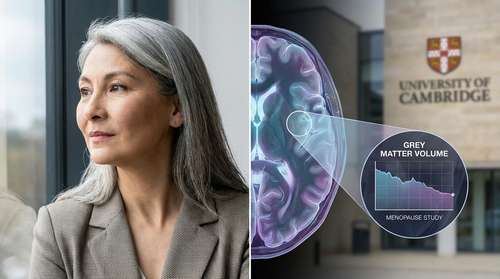
Menopause has long been understood as a reproductive transition, but a groundbreaking new study from the University of Cambridge has fundamentally reshaped our understanding of its neurological impact. Published this week in Psychological Medicine, the research identifies menopause as a major turning point for menopause brain health, revealing significant structural changes—specifically grey matter loss in aging women—that occur regardless of whether hormone replacement therapy (HRT) is used.
The Structural Shift: Grey Matter Loss Explained
The study, which analyzed data from over 125,000 women in the UK Biobank, including brain MRI scans from 11,000 participants, provides some of the most robust evidence to date regarding cognitive decline in women. Researchers found that post-menopausal women exhibited reduced grey matter volume in several key brain regions compared to their pre-menopausal counterparts.
Dr. Katharina Zühlsdorff, lead author from the University of Cambridge’s Department of Psychology, highlighted that these structural reductions were most prominent in the hippocampus, the entorhinal cortex, and the anterior cingulate cortex. These areas are critical for memory formation, emotional regulation, and decision-making. The findings suggest that the "brain fog" and mood shifts often dismissed as minor symptoms may actually stem from these distinct anatomical changes.
The HRT Paradox: Speed vs. Structure
One of the most nuanced findings of the University of Cambridge menopause study concerns the role of Hormone Replacement Therapy (HRT). For years, the debate regarding HRT and cognitive health has been ongoing, but this research offers a crucial distinction between brain structure and brain function.
While the study found that HRT did not appear to reverse or prevent the structural loss of grey matter, it offered a significant functional benefit: preservation of reaction speeds. "Menopause seems to accelerate the slowing of reaction times, but HRT appears to put the brakes on, slowing this aspect of the aging process slightly," Dr. Zühlsdorff explained. This distinction is vital for women making informed decisions about their care—HRT may help maintain cognitive sharpness and processing speed, even if it cannot fully halt the structural volume loss associated with the menopausal transition.
Emotional Regulation and Mental Health Implications
The structural changes observed were not happening in a vacuum. The study correlated the loss of grey matter in the anterior cingulate cortex—a region essential for emotion control—with increased reports of anxiety, depression, and sleep disturbances among post-menopausal women. This biological link validates the experiences of millions of women who report significant mood changes during this life stage.
Professor Barbara Sahakian, the study’s senior author, noted that these specific brain regions are often those affected in conditions like Alzheimer's disease. While this does not mean menopause causes dementia, it underscores why neuroprotection for seniors, particularly women, must begin earlier in life. Understanding that these symptoms have a neurological basis is the first step toward better clinical support and destigmatizing the mental health challenges of menopause.
Strategies for Healthy Aging for Women 2026
In light of these findings, the approach to healthy aging for women 2026 is shifting from a purely hormonal focus to a holistic neurological one. Since HRT is not a silver bullet for preventing structural brain changes, experts are emphasizing the importance of lifestyle interventions during the perimenopausal window.
Lifestyle as Neuroprotection
Researchers advocate for rigorous sleep hygiene and stress management as critical tools for neuroprotection. Given that the study linked grey matter loss with sleep disruption, prioritizing rest may be one of the most effective ways to support the aging brain. Additionally, cardiovascular health, regular physical activity, and cognitive engagement remain the pillars of maintaining brain resilience.
This Cambridge study serves as a wake-up call: menopause is a significant neurological event. By acknowledging the reality of grey matter loss in aging, the medical community can better support women through this transition, offering targeted therapies that address both the structural and functional needs of the changing brain.