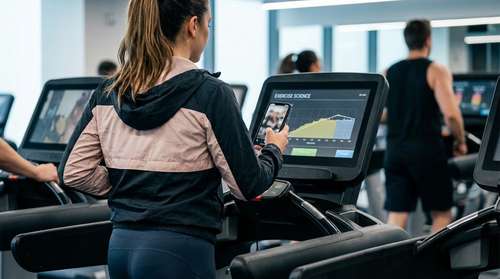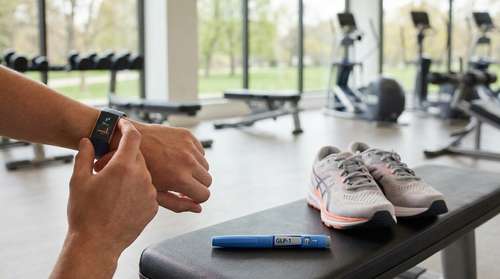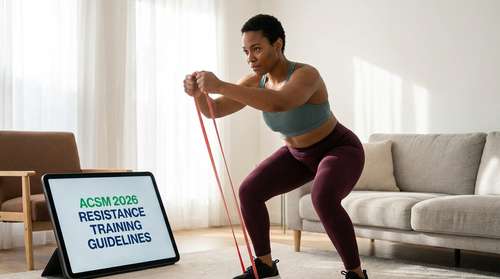
For nearly two decades, fitness enthusiasts, physical therapists, and personal trainers alike have treated the American College of Sports Medicine's 2009 recommendations as the ultimate, unshakeable rulebook for building muscle. But science evolves rapidly, and a massive new scientific review has just rewritten the manual. Published this week in March 2026, the highly anticipated ACSM 2026 resistance training guidelines represent the first major update in 17 years, and the core message is refreshingly accessible: any form of strength training is profoundly beneficial.
Replacing older, opinion-heavy frameworks, this landmark Position Stand—published in Medicine & Science in Sports & Exercise—is based on a staggering 137 systematic reviews involving more than 30,000 participants. Utilizing rigorous umbrella review methodologies, the ACSM has completely shifted the narrative. The days of agonizing over complex periodization schemes, precise rest intervals, and mandatory heavy gym equipment are officially behind us. Instead, the focus has pivoted toward accessibility, physical longevity, and building sustainable, lifelong habits.
The New Mantra: Consistency Over Complexity Fitness
If there is one guiding philosophy that defines these updated guidelines, it is the concept of consistency over complexity fitness. According to Dr. Stuart Phillips, a distinguished professor at McMaster University and lead author of the Position Stand, the absolute best resistance training program is simply the one you will actually stick to over the long haul. The previous 2009 standards were widely criticized for being overly rigid, leading many beginners to feel intimidated by the sheer volume of intricate rules.
The 2026 update fundamentally shatters this barrier to entry. Researchers concluded that while tracking highly specific training variables can optimize results for elite athletes, the primary goal for most everyday adults should be regular participation. Training all major muscle groups at least twice a week yields profound physiological results, regardless of whether you map out a meticulously complicated routine. Pure effort and adherence matter far more than chasing the illusion of a "perfect" workout plan.
Home Resistance Training Benefits Take Center Stage
One of the most liberating aspects of the new strength training standards 2026 is the validation of non-traditional workout environments. You absolutely do not need an expensive gym membership, an array of specialized machines, or heavy barbells to see meaningful gains. The sweeping data review definitively proves that home resistance training benefits are just as robust for the average healthy adult as hitting a commercial health club.
Using inexpensive, accessible tools like elastic resistance bands, adjustable dumbbells, or even pure bodyweight exercises provides more than enough neuromuscular stimulus to dramatically improve strength, muscle size, and overall physical function. The guidelines emphasize that reducing the "friction" of working out—such as eliminating the daily commute to a gym—greatly improves long-term program adherence. By utilizing your living room or garage, you can easily fit in the recommended minimum of two strength sessions per week without upending your daily schedule.
Muscle Hypertrophy Science 2026: Working Smarter, Not Harder
While the new guidelines champion flexibility and accessibility, they also offer highly precise evidence-based targets for those looking to maximize their physical results. The latest muscle hypertrophy science 2026 update reveals that for muscle growth (hypertrophy), overall weekly volume is the most critical driving factor. The ACSM now recommends completing at least 10 sets per muscle group each week. Interestingly, the specific amount of weight lifted is far less important than previously believed, provided you are challenging the muscle adequately and focusing on the eccentric (lowering) phase of the lift.
Furthermore, the comprehensive data officially debunks the longstanding gym myth that you must push every single set to absolute momentary muscular failure. This is where the reps in reserve (RIR) method shines as a premier training strategy, replacing outdated percentage-based loading models. By intentionally leaving two to three repetitions "in the tank" at the end of a working set, you can stimulate maximum muscle growth without inducing the severe central nervous system fatigue caused by training to failure. This scientific approach aligns perfectly with the ACSM's overarching theme of sustainability; you can train hard enough to trigger growth while staying fresh enough to ensure you never miss your next scheduled workout.
For those prioritizing raw strength over size, the standards still recommend lifting heavier loads (around 80% of your one-rep maximum) for two to three sets per exercise. Conversely, if your goal is explosive power—crucial for athletic performance and fall prevention—moderate weights (30% to 70% of your maximum) lifted as fast as possible are ideal.
Exercise for Metabolic Longevity: A Public Health Miracle
Perhaps the most vital and urgent takeaway from the March 2026 update is the complete rebranding of strength training from a purely aesthetic pursuit to an undeniable medical necessity. The ACSM makes it unequivocally clear that resistance training is essential exercise for metabolic longevity. Regular lifting does far more than build bigger biceps; it is a systemic intervention that enhances gait speed, preserves vital bone density, improves dynamic balance, and heavily influences long-term metabolic health.
As the global population ages, preserving lean muscle mass is our primary, most effective defense against physical decline and metabolic conditions like type 2 diabetes. By transitioning from zero resistance training to even a minimal, highly consistent routine, adults can significantly safeguard their independence and vitality in their later decades.
Ultimately, the latest ACSM guidelines deliver a deeply encouraging and inclusive verdict. Whether you are lifting heavy barbells in a crowded commercial facility or performing banded squats in your living room, your physical effort is paying off. The science has definitively spoken: keep it remarkably simple, stay unyieldingly consistent, and keep moving.