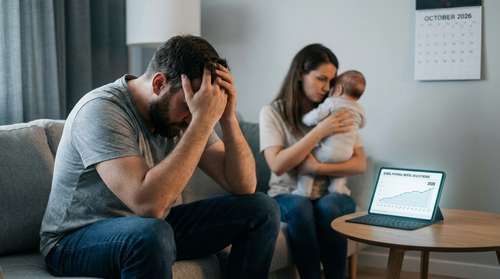
On January 21, 2026, a coalition of leading mental health organizations released startling new data that shatters the traditional understanding of the "fourth trimester." The report reveals that one in ten fathers and up to 20% of non-birthing partners are now experiencing significant postpartum mood and anxiety disorders (PMADs). For decades, the conversation around postpartum health has focused almost exclusively on the birthing parent. But as we move further into 2026, health experts are declaring a "silent crisis" in family mental health, calling for an immediate overhaul of postnatal care to include mandatory screenings for all caregivers.
The Hidden Symptoms: It Doesn't Look Like Sadness
One of the primary reasons postpartum depression in fathers and partners goes undiagnosed is that it often presents differently than it does in birthing parents. While society expects depression to look like tearfulness or withdrawal, male postpartum depression signs frequently manifest as behavioral changes that are easily dismissed as "stress" or "exhaustion."
According to the new clinical guidelines, partners should be vigilant for symptoms that deviate from the classic "baby blues." Instead of sadness, men and non-birthing partners often exhibit:
- Irritability and Anger: Sudden outbursts or a shorter fuse with a spouse or older children.
- Escapism: Working longer hours, excessive gaming, or spending more time out of the house to avoid the overwhelming environment at home.
- Risk-Taking Behaviors: increased alcohol consumption, substance use, or reckless driving.
- Physical Symptoms: Unexplained headaches, stomach issues, or muscle pain.
Dr. Elena Rostova, a lead researcher on the 2026 panel, notes, "We are seeing a surge in paternal postpartum anxiety where the parent isn't necessarily sad, but is paralyzed by a fear of the baby's fragility or their own financial adequacy. This high-functioning anxiety is just as debilitating as depression but is rarely screened for."
A Call for Inclusive Postpartum Healthcare
The alarming statistics have triggered a demand for inclusive postpartum healthcare policies. The traditional model, where the pediatrician checks the baby and the OB-GYN checks the mother, leaves the partner completely unmonitored. The new 2026 protocols recommend a "Whole Family Assessment" model.
Under these proposed guidelines, pediatric visits—which partners attend at high rates—would become the primary touchpoint for family mental health 2026. Pediatricians would be required to administer mental health screenings not just to the mother, but to any primary caregiver present. This shift acknowledges that a baby's well-being is inextricably linked to the mental health of both parents. If a father is struggling with untreated depression, studies show it can directly impact the child's cognitive development and increase behavioral issues later in life.
Why Are Partners at Risk?
The causes of PMAD symptoms in partners are a complex mix of biology and circumstance. We now know that fathers experience measurable hormonal shifts—specifically a drop in testosterone and changes in cortisol—during the postpartum period. When combined with severe sleep deprivation and the sudden pressure of being the sole emotional or financial anchor while the birthing partner recovers, the risk skyrockets.
Furthermore, the "exclusion factor" plays a significant role. Non-birthing parents often report feeling like secondary accessories in the birthing process, leading to feelings of inadequacy and isolation. The 2026 reports highlight that partners who feel unsupported by the healthcare system are 50% more likely to develop symptoms of depression.
Fourth Trimester Parent Support: Actionable Steps
Recognizing the signs is only the first step. If you or your partner are struggling, the new standard for fourth trimester parent support emphasizes proactive management:
- Normalize the Conversation: Discussing mental health should be as routine as tracking feeding schedules. Partners need to ask each other, "How is your brain feeling today?" not just "How much sleep did you get?"
- Seek Specialized Care: Look for therapists who specialize in perinatal mental health for men or queer partners. General therapy is helpful, but specialized care targets the unique identity shifts of new parenthood.
- Prioritize "Shift" Sleeping: Sleep deprivation is the number one trigger for mental health episodes. Creating a schedule where each partner gets at least four hours of uninterrupted sleep can be a protective factor against PMADs.
As we embrace these new insights in 2026, the message is clear: You cannot have a healthy baby without healthy parents—plural. By validating the struggles of fathers and partners, we move closer to a healthcare system that truly supports the entire family unit.