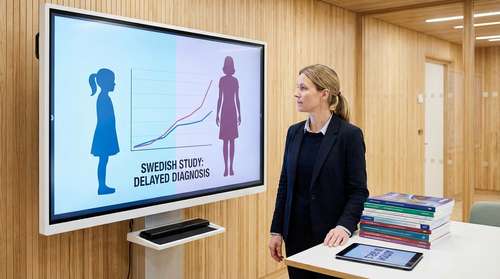
For decades, autism has been viewed through a predominantly male lens, with diagnostic statistics historically citing a 4:1 ratio of boys to girls. However, a massive new longitudinal study from Sweden—analyzing nearly 3 million individuals—has effectively shattered this long-held myth. The findings, which are sparking intense global discussions this week, reveal that the true ratio approaches 1:1 by adulthood, suggesting that millions of girls are being systematically overlooked by current pediatric autism screening methods.
The Myth of the "Boy's Disorder"
The study, led by researchers at the Karolinska Institutet and published in The BMJ, tracked 2.7 million people born in Sweden between 1985 and 2020. This unprecedented dataset has provided the clearest picture yet of the autism gender gap. While boys are indeed diagnosed earlier—typically around age 10—girls often fly under the radar until their teenage years or early adulthood.
According to Dr. Caroline Fyfe, the study’s lead author, the data shows a dramatic "catch-up" effect. By age 20, the diagnosis rates between males and females converge, challenging the biological assumption that autism is inherently a male condition. Instead, the disparity appears to be driven by a massive autism diagnostic bias embedded in how we identify neurodivergence in young children.
Masking in Children: Why Girls Are Missed
One of the critical reasons girls are bypassed during early screenings is their ability to "mask" or camouflage their symptoms. Masking in children involves mimicking social behaviors, suppressing repetitive movements (stimming), and forcing eye contact to fit in with neurotypical peers. This social camouflage is particularly common in young girls, who are often socialized to be more compliant and socially attuned than boys.
Because standard diagnostic criteria were largely developed based on observations of boys, the subtle presentation of autism in girls symptoms—such as intense interests in "socially acceptable" topics like literature or animals rather than mechanics—often goes unnoticed. Parents and teachers might label a struggling girl as "shy" or "anxious" rather than autistic, delaying crucial support for years.
Swedish Autism Study Results: The "Catch-Up" Effect
The Swedish autism study results highlight a disturbing trend: while boys receive support early, girls are often left to navigate their neurodivergence alone until the social demands of adolescence become overwhelming. The study found that diagnosis rates for females surge during the teenage years, a period when social hierarchies become complex and masking becomes unsustainable.
"The system collapses when these girls hit secondary school," notes Anne Cary, a patient advocate who wrote an accompanying editorial. The exhaustion of maintaining a neurotypical façade often leads to burnout, at which point the underlying autism is finally recognized—often triggered by a mental health crisis.
The High Cost of Late-Diagnosis Autism in Females
The delay in identification is not merely a statistical error; it has profound real-world consequences. Late-diagnosis autism in females is strongly linked to higher rates of co-occurring mental health conditions. The study indicates that many women spend years being treated for anxiety, depression, or eating disorders without addressing the root cause: their undiagnosed neurodivergence.
This week's revelations have galvanized a movement for female neurodiversity 2026, with experts calling for an immediate overhaul of diagnostic tools. Families are now being urged to seek second opinions if their daughters show signs of sensory processing issues or social exhaustion, even if they don't fit the stereotypical "Rain Man" profile.
Rethinking Pediatric Autism Screening
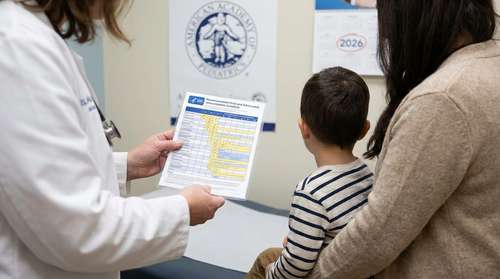
As the medical community digests these findings, the focus is shifting toward reforming pediatric autism screening. Experts argue that screenings must evolve to detect the "female phenotype" of autism. This includes looking for internalized symptoms like anxiety and sensory sensitivities rather than just external behavioral disruptions.
The message for parents is clear: if your daughter is struggling socially or emotionally, trust your instincts. The "gender gap" in autism may not be a biological reality, but a failure of our diagnostic systems—one that is finally being corrected.