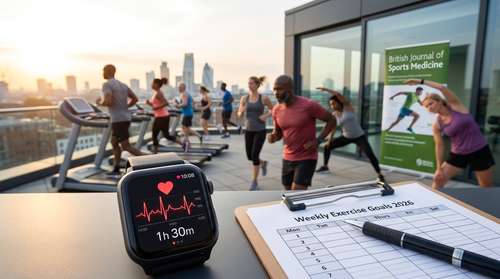
It is February 1st, 2026. If history is any indicator, the crowds at your local gym are about to vanish. Historically, the second Saturday of February marks the infamous "Fall Off the Wagon Day," where nearly 80% of New Year's fitness resolutions officially die. But this year, a quiet revolution in AI injury prevention is rewriting that statistic. For the first time, casual gym-goers are armed with military-grade biomechanical data, turning their smartphones into pockets-sized physiotherapists that don't just track workouts—they predict and prevent the injuries that cause 8.6 million Americans to quit every year.
The "Invisible Wall" of February Burnout
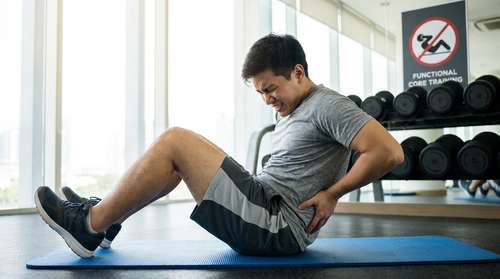
For decades, the February slump was blamed on a lack of willpower. However, new data released this week suggests the real culprit is often physical, not psychological. A staggering number of "resolutioners" hit a physical wall around the four-week mark—the result of rapid training load increases leading to sub-clinical overuse injuries. According to the CDC, sports and recreation injuries account for over 8.6 million episodes annually, a figure that historically spikes in late January.
In 2026, however, the narrative is shifting. "We are seeing a fundamental change in how people approach the one-month mark," says Dr. Elena Rostova, a sports physiologist analyzing 2026 fitness trends. "People aren't just quitting because they are bored; they are stopping because they hurt. The latest wave of biomechanical analysis apps is finally addressing this by flagging 'red zone' movement patterns days before pain actually sets in."
The Tech Breakthrough: Lab-Grade Analysis on Your Phone
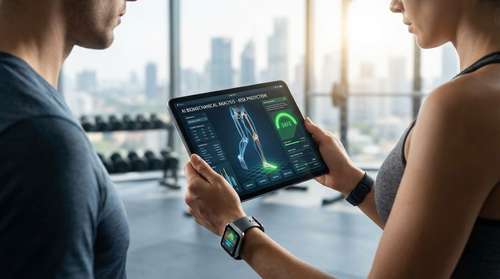
The headline story of early 2026 is the democratization of motion capture. Just last month at CES, the startup Smartan unveiled a breakthrough platform that uses standard smartphone cameras to analyze movement with sub-100ms latency. Unlike previous iterations that required wearable sensors or special suits, these new smart workout recovery tools use advanced computer vision to map 3D skeletal data in real-time.
This technology, previously reserved for elite athletes in multi-million dollar labs, is now accessible to anyone with a phone. Apps like AiKYNETIX and the newly updated VueMotion have seen a surge in downloads over the last 48 hours, coinciding with the start of February. These platforms can detect a 5% deviation in knee valgus during a squat or a subtle asymmetry in a runner's gait—micro-errors that, when repeated over thousands of reps, lead to the "sudden" injuries that derail fitness goals.
How It Works in Practice
Imagine setting up your phone against a water bottle while you perform a deadlift. As you move, the AI overlays a skeletal rig on your screen. If your lower back rounds beyond a safe threshold, the app doesn't just log the rep—it audibly corrects you: "Hinge at the hips, keep chest up." More importantly, it tracks fatigue. If your form degrades by 10% compared to your first set, the AI advises you to terminate the set, effectively predicting an injury risk before it happens.
Integrating Data for Total Readiness
The power of these apps lies in their integration with wearable health technology. In 2026, the siloed data of the past is gone. The leading biomechanics apps now sync seamlessly with devices like the Whoop 4.0 and Garmin Venu 3 to combine internal load data (HRV, sleep quality) with external mechanical load (form quality).
This holistic view allows for truly personalized exercise programming. If your wearable detects poor recovery from the night before, your AI coach might automatically adjust your scheduled heavy leg day to a mobility-focused active recovery session. This dynamic periodization is the key to surviving the "February Cliff." instead of pushing through pain to hit a rigid goal, users are guided to train smarter, maintaining momentum without breaking their bodies.
New Year Resolution Tips: Surviving the Slump
As we navigate the critical weeks of February, experts suggest leveraging these tools to maintain consistency. The goal for 2026 isn't just intensity; it's longevity.
- Scan Your Form: Use a free biomechanics app once a week to "audit" your movement patterns, especially for high-risk lifts like squats and deadlifts.
- Respect the Red Flags: If your AI recovery score is low, listen to it. A missed workout is better than a missed month due to a strained hamstring.
- Focus on Quality over Quantity: Let the AI count your effective reps—those done with perfect form—rather than just total volume.
The "February Slump" is no longer inevitable. With AI acting as a guardian against overtraining, 2026 promises to be the year where resolutions—and the bodies attached to them—finally stay intact.