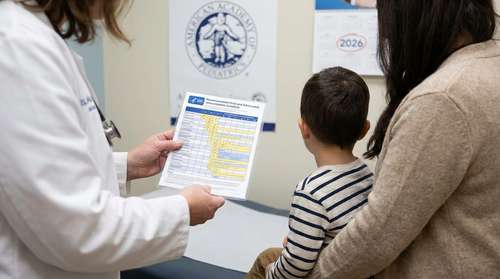
For the first time in decades, American parents are facing two conflicting childhood immunization schedules for 2026. On one side, the American Academy of Pediatrics (AAP) has released its 2026 guidance, maintaining universal recommendations for 18 preventable diseases. On the other, the Department of Health and Human Services (HHS)—under the direction of Secretary Robert F. Kennedy Jr.—has issued a radically scaled-back federal schedule that removes universal backing for vaccines against the flu, COVID-19, RSV, and several others. This unprecedented divergence has created a "choose your own adventure" landscape for family health preventive care that experts call dangerous and confusing.
The Core Conflict: 18 Diseases vs. 11
The split became official in late January 2026, when the AAP released its schedule in direct opposition to the new federal guidelines announced earlier in the month. The difference is stark: The AAP continues to recommend routine vaccination for 18 diseases, while the new HHS/CDC schedule has reduced that number to just 11.
Under the new HHS guidelines, vaccines that were previously standard for all children—specifically for influenza, COVID-19, RSV, rotavirus, hepatitis A, hepatitis B, and meningococcal disease—have been downgraded. Instead of being "universally recommended," they are now classified under "shared clinical decision-making" or reserved only for "high-risk" groups. Additionally, HHS now recommends only a single dose of the HPV vaccine, whereas the AAP maintains that a two-dose series is necessary for full protection.
"The science hasn't changed," says Dr. Pia Pannaraj of the AAP Committee on Infectious Diseases. "Therefore, we continue to recommend those vaccines." The AAP warns that the federal changes, reportedly modeled after vaccination schedules in countries like Denmark, ignore the specific disease risks and healthcare landscape of the United States.
Breaking News: ACIP Meeting Postponed & Leadership Shakeups
In a major development that occurred on February 19, 2026, the CDC's Advisory Committee on Immunization Practices (ACIP)—the federal body responsible for vetting vaccine safety and efficacy—officially postponed its highly anticipated meeting scheduled for late February. The delay to mid-March comes amidst a whirlwind of legal and administrative chaos.
Several critical updates have emerged in the last 48 hours:
- ACIP Meeting Delay: HHS confirmed the postponement after failing to meet legal deadlines for public notice in the Federal Register. This meeting was expected to formalize the controversial changes to the federal schedule.
- Leadership Changes: Amidst the turmoil, Acting CDC Director Jim O'Neill has exited, with NIH Director Dr. Jay Bhattacharya named as the new acting head of the agency.
- Legal Escalation: The AAP's lawsuit against HHS is intensifying. Following a February 13 court hearing, Children's Health Defense (an organization co-founded by RFK Jr.) filed a motion on February 19 to intervene in the case, a move the AAP is vigorously opposing.
What This Means for Families in 2026
The AAP vs. HHS vaccine recommendations split leaves parents in a precarious position. Here is how these changes practically affect your family health preventive care strategy for the coming year.
1. Insurance Coverage Is Safe... For Now
A primary concern for families is cost. Fortunately, most private insurers and Medicaid plans are legally required to cover vaccines listed on the CDC schedule as of late 2025. Major insurers have pledged to maintain coverage for all 18 vaccines on the AAP list through the end of 2026. However, if the divergence continues into 2027, families could potentially face out-of-pocket costs for shots like the flu or RSV vaccine.
2. School Entry Requirements
School vaccine mandates are determined by state laws, not federal guidelines. As of February 20, 25 states (primarily those with Democratic leadership) have announced they will reject the new CDC guidance and strictly follow the AAP's robust schedule. In these states, school entry requirements will likely remain unchanged. In other states, the relaxation of federal guidelines could lead to looser school mandates, potentially affecting herd immunity in local classrooms.
3. Your Pediatrician's Advice
If you are confused, you are not alone. However, your pediatrician's advice will likely remain consistent. The AAP's schedule has been endorsed by 12 leading medical organizations, including the American Academy of Family Physicians and the American College of Obstetricians and Gynecologists. You should expect your doctor to continue recommending the full suite of protections against flu, COVID-19, and other respiratory illnesses, regardless of the confusing signals from Washington.
The "Wait and See" Approach
The situation remains fluid as the AAP's request for a preliminary injunction to block the HHS changes moves through the federal courts. A ruling is expected shortly, which could either freeze the new federal schedule or allow it to proceed. Until then, pediatric experts urge parents to rely on the trusted, evidence-based guidance of their children's doctors rather than the shifting political sands of federal policy.
With childhood vaccination safety news dominating headlines, the best preventive care strategy for 2026 is to maintain open communication with your pediatrician and ensure your child stays up-to-date with the protections that have kept diseases like measles and polio at bay for generations.