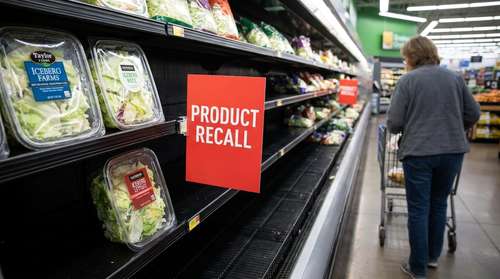
As of April 15, the top story dominating family health news April 2026 is a rapidly escalating public health emergency. With over 1,200 confirmed cases reported across 30 states, the measles outbreak 2026 has officially become the largest in decades. Amidst this surge, families face an unprecedented challenge: decoding the recent CDC childhood vaccine schedule changes. Pediatricians are sounding the alarm as a new framework known as shared clinical decision making leaves parents grappling with complex healthcare choices during a highly contagious crisis.
The State of the 2026 Measles Crisis
The current situation is driven by a combination of policy shifts and a highly transmissible pathogen. Measles is notoriously contagious, and the statistics from this spring are sobering. According to infectious disease experts, about one in five children who contract the virus require hospitalization. Complications can range from severe pneumonia to acute encephalitis, which affects approximately 1 in 1,000 cases. Additionally, measles infection can trigger immune amnesia, a condition that wipes out the body's protective antibodies to other illnesses, leaving children vulnerable for months or even years.
The sheer volume of cases sweeping through communities underscores the urgent need for robust pediatric measles protection. Yet, just as the virus surges, the federal guidance intended to protect families has undergone a massive structural shift, sparking nationwide anxiety.
Decoding the CDC Childhood Vaccine Schedule Changes
Earlier this year, the Centers for Disease Control and Prevention narrowed the list of vaccines recommended universally for all children. Instead of defaulting to a standard routine schedule for several immunizations, the agency transitioned certain protections into a shared clinical decision-making category. This policy overhaul marks an unusual departure from decades of default alignment between federal health agencies and local pediatricians. State health departments, medical associations like the American Academy of Pediatrics (AAP), and leading insurers have found themselves in an unexpected split, with many organizations continuing to endorse the previous, more comprehensive schedule.
What Is Shared Clinical Decision Making for Parents?
For mothers and fathers sitting in the pediatrician's office, this new terminology feels incredibly ambiguous. Shared clinical decision making for parents requires an individualized discussion between a healthcare provider and the family. Rather than simply following a universal checklist, doctors must now evaluate a child's specific health history, geographic risk factors, and the parents' preferences before administering certain shots.
While this model aims to personalize care, recent data reveals significant public misunderstanding. According to policy surveys, a massive portion of the public is confused by the term. Many families interpret the shift as a sign of reduced vaccine importance or safety. Infectious disease specialists warn this is a dangerous misconception—especially during a widespread, highly infectious outbreak.
Navigating School Vaccine Requirements 2026
Another layer of complexity for families revolves around education logistics. Because individual states—not the federal government—dictate school entry rules, the latest federal adjustments have created a patchwork of regulations. School vaccine requirements 2026 have become a localized hurdle. While some states have quickly adapted their mandates to reflect the CDC's narrowed universal list, others stand firm on older, broader requirements. Parents must proactively check with their local health departments and school districts this spring to ensure their children remain compliant and allowed to attend classes in the fall.
Practical Steps for Pediatric Measles Protection
Protecting your family requires clear communication and swift action. First, schedule a consultation with your pediatrician immediately. Do not wait for your child's annual well-visit. Use this time to have an open, transparent conversation about your child's specific risk profile and clarify any confusion regarding the recent guidance. Ask direct questions about the community transmission rates in your specific county and whether your child's current immunization status provides adequate defense against the virus.
Your Healthvot Family Health Guide Checklist
As part of our ongoing Healthvot family health guide, we recommend the following proactive steps:
- Verify Immunization Records: Request physical or digital copies of your child's complete medical history from your clinic to ensure they are current on all core protections.
- Discuss High-Risk Factors: If your child is immunocompromised, an infant too young for standard vaccination, or otherwise at high risk, discuss supplementary preventative measures like immune globulin with your doctor.
- Stay Locally Informed: Monitor localized, verified health alerts from your county or state health department rather than relying on generalized social media commentary.
The intersection of a historic contagion and evolving federal policies demands a proactive approach to family medicine. By prioritizing direct conversations with trusted medical professionals and staying vigilant about local health mandates, you can confidently navigate this season of uncertainty. Protecting the health of our youngest and most vulnerable remains a collective responsibility, requiring clarity, factual awareness, and decisive action from every parent.