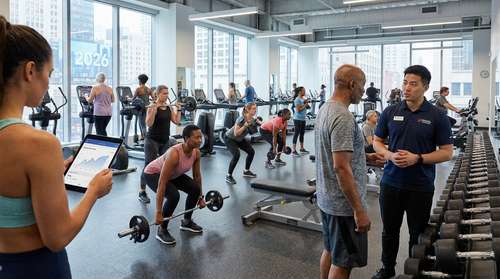
The health and wellness landscape in the United States has reached an unprecedented milestone. According to the newly released 2026 fitness report by the Health & Fitness Association, a staggering 81 million Americans now hold a gym or studio membership. This historic surge means 26.1% of the population aged six and older—more than one in four people—now actively belongs to a fitness facility. Released on April 9, 2026, the data indicates a massive shift in how the nation approaches physical well-being, moving away from temporary aesthetic goals toward long-term lifestyle integrations.
Rather than treating the gym as a seasonal resolution, Americans are settling into consistent routines. The findings spotlight a major industry transformation defined by a decade-low churn rate, a surge in specialized programming, and the rapid integration of medical interventions into daily physical activity. For operators and consumers alike, understanding these shifts is essential for navigating the changing landscape of health.
The Numbers Behind the Surge: US Gym Membership Statistics
The latest US gym membership statistics paint a picture of a booming industry that has fully eclipsed pre-pandemic levels. The 81 million memberships mark a 5.2% year-over-year increase, but the actual footprint of these facilities is even larger. When factoring in day passes and guest privileges, total participation surpassed 100 million people, generating nearly 7 billion facility visits over the past year.
Perhaps the most revealing metric from the health and fitness consumer data is the drastic drop in member inactivity. The dreaded "no-show" rate—those who pay for a membership but never walk through the doors—has plummeted from historical averages of around 10% to an all-time low of 4.6%. People aren't just signing up; they are showing up consistently.
Demographic Shifts Driving Gym Participation Rates
A closer look at the demographics reveals that gym participation rates are expanding across the board. Generation Z currently holds the highest penetration rate, with 35.5% of adults aged 18 to 24 actively maintaining a membership. However, the fastest-growing segment might surprise you. Older adults aged 65 and up saw an 8.6% jump in participation, proving that longevity and functional independence are becoming powerful motivators for seniors.
Shifting Workouts: Strength Training Growth and Racquet Sports
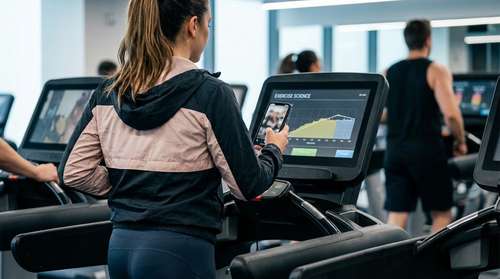
How are these 81 million people spending their time on the floor? The era of endless treadmill running and high-intensity bootcamp burnout is giving way to a more measured, intentional approach. The report highlights a significant softening in standalone cardio formats, offset by massive strength training growth. Free weights have seen the fastest adoption rate of any equipment category since 2021, as both men and women prioritize building lean mass over simply burning calories.
Beyond the weight room, low-impact and social fitness modalities are thriving:
- Racquet Sports: Pickleball continues its absolute domination with a 21.3% increase, reaching 7.6 million active facility members.
- Mind-Body Workouts: Yoga retains its crown as the most popular low-impact activity with 17.7 million participants, while Pilates and Tai Chi are climbing steadily.
Consumers are blending intense lifting sessions with recovery-focused movement, creating a balanced weekly regimen that feels sustainable rather than punishing.
The Medical Fitness Pivot: GLP-1 and Exercise Routines
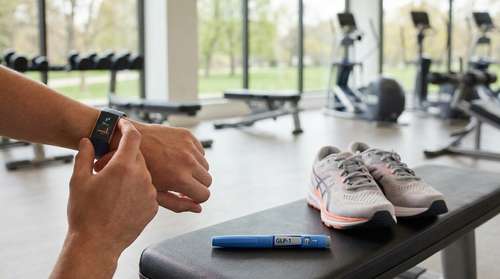
One of the most profound catalysts reshaping the industry is the pharmaceutical landscape. The intersection of GLP-1 and exercise routines has fundamentally altered how fitness professionals design programs. As medications like Ozempic and Wegovy become commonplace, weight loss is increasingly viewed as a medical reality rather than just a behavioral challenge.
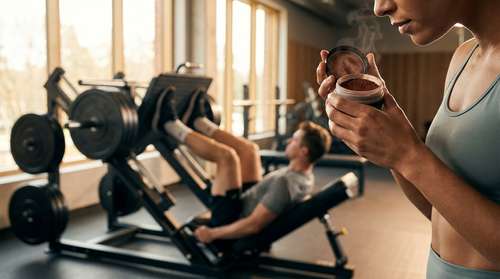
Global health federations recently issued joint statements urging that physical activity be embedded alongside these obesity medications. Because GLP-1s can lead to a rapid loss of fat-free mass alongside fat, the industry is pivoting its messaging from "fat loss" to "muscle defense". Resistance training and adequate protein intake are now critical components of a patient's care plan to prevent the loss of bone density and functional strength.
In response, fitness spaces are evolving into what many call the "gym-as-a-clinic" model. According to recent market analysis, at least 17 major operators have already launched in-house GLP-1 programs or telehealth partnerships. This strategy safely guides members through their medical weight-loss journeys while ensuring they maintain the physical capacity needed for a healthy life.
What This Means for Fitness Industry Trends 2026
Looking at the broader fitness industry trends 2026, it is clear that health clubs are transitioning from niche amenities to essential public health infrastructure. The impact on national wellness is measurable: nearly 50% of facility members meet or exceed federal aerobic activity guidelines, compared to just 24.5% of non-users. Members are also seven times less likely to report getting zero physical activity during a typical week.
The economic resilience of the sector is equally notable. Even in the face of ongoing economic uncertainties, consumers are refusing to cut their fitness budgets. The perceived value of a supportive environment that offers access to expensive equipment, professional guidance, and a third space for social connection heavily outweighs the monthly cost. The focus has shifted from short-term aesthetic transformations to lifelong durability. Members are no longer training just for a summer vacation; they are training for their 90th birthdays, prioritizing sleep quality, stress regulation, and pain-free movement.
As we move deeper into the year, the facilities that thrive will be those that embrace this holistic integration. By combining medical innovation, community-driven sports, and targeted resistance programming, the industry is perfectly positioned to support an aging, yet increasingly active, population. The record-breaking numbers of 2026 are not just a temporary spike—they are the foundation of a healthier future.