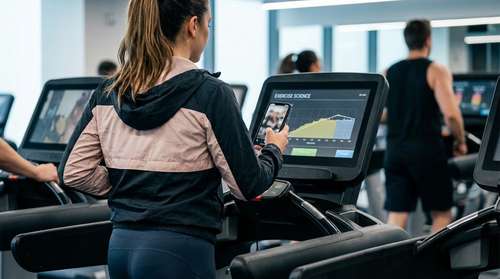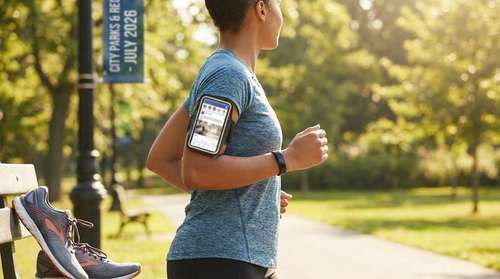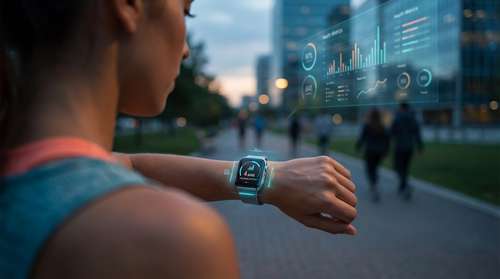
For years, public health officials have relied on surveys and optimistic self-reporting to gauge the world's exercise habits. But a groundbreaking wearable fitness data study 2026, released on March 24, has shattered those illusions. By tapping into the real-time biometric readouts of millions of smartwatches and fitness bands, researchers uncovered a startling reality: the average adult engages in true, heart-rate-elevating exercise for a mere four minutes per day.
This massive data dive provides the most objective look yet at global movement patterns. While many people believe they are highly active, the continuous tracking tells a different story. The findings reveal a pervasive 'intensity gap,' demonstrating that while we might be walking to the fridge or pacing during a phone call, our cardiovascular systems are rarely being challenged to a meaningful degree. This discrepancy between perceived exertion and actual physical output is forcing medical professionals to rewrite the rulebook on public health guidelines.
The 'Intensity Gap' and the Fall of Self-Reported Metrics
Historically, health surveys suggested a slow but steady increase in global fitness levels. People routinely checked boxes indicating they met the World Health Organization's baseline recommendation of 75 minutes of vigorous activity per week. However, the latest biometric fitness research proves that human memory is notoriously generous when it comes to physical exertion. We tend to remember the one time we ran for the train, but conveniently forget the subsequent six hours spent motionless in an office chair.
Advancements in fitness tracker accuracy 2026 allow data scientists to bypass subjective questionnaires entirely. Modern sensors precisely measure blood oxygen levels, heart rate variability, and cardiovascular strain minute by minute. When researchers filtered the data for actual vigorous movement—defined as activity that pushes the heart rate into a high-intensity zone where carrying a conversation becomes difficult—the numbers plummeted. The resulting vigorous physical activity daily average of just four minutes translates to roughly 28 minutes per week. This falls drastically short of global medical guidelines and exposes a critical vulnerability in our daily routines.
Decoding Heart Rate Zone Monitoring Trends
The study highlights fascinating heart rate zone monitoring trends across different demographics. The data shows that while a segment of the population is achieving adequate daily steps through light walking or household chores, their heart rates rarely leave the 'Zone 1' or 'Zone 2' thresholds. We are moving, but we are not pushing our cardiovascular engines to the zones required to trigger significant metabolic adaptations, improve VO2 max, or build lasting cardiac resilience.
The Hidden Dangers of Modern Inactivity
Understanding these precise metrics is vital because the stakes are incredibly high. The World Health Organization recently warned that physical inactivity places nearly 1.8 billion adults at a heightened risk of disease globally. This new dataset suggests the problem is even more deeply entrenched than those alarming estimates indicated. The sedentary lifestyle health risks associated with prolonged sitting and low-intensity living are well documented, driving elevated rates of cardiovascular disease, hypertension, type 2 diabetes, and specific forms of cancer.
Our modern environments are aggressively engineered for physical comfort and minimal exertion. Remote work setups, automated delivery services, and endless streams of digital entertainment have systematically removed the necessity for physical strain. Even individuals who schedule a daily 30-minute leisurely walk often spend the remaining 23.5 hours of their day in a state of muscular dormancy.
Compounding this crisis is the shifting global climate. Recent environmental health reports from early 2026 highlight that rising global temperatures are exacerbating inactivity, potentially driving hundreds of thousands of premature deaths by 2050. As outdoor spaces become uncomfortably hot for traditional exercise, the incidental vigorous activity that used to occur naturally—like briskly walking across a hot city or playing casual outdoor sports—has largely vanished from the daily human experience. This makes optimizing our indoor movement more critical than ever.
Rethinking Our Approach: Micro-Intensity to the Rescue
While the four-minute average sounds grim, sports cardiologists and physiologists see a distinct silver lining. If the average person is only managing a few minutes of hard work daily, the immediate focus must shift toward maximizing those fleeting moments. Enter the growing medical consensus around micro-intensity training benefits.
Recent clinical trials have consistently demonstrated that Vigorous Intermittent Lifestyle Physical Activity (VILPA)—bursts of intense movement lasting just one to two minutes—can dramatically reduce cardiovascular mortality risk when performed three to four times a day. You do not necessarily need an expensive, specialized gym session to reap these physiological rewards. Health professionals are now advocating for intentional 'exercise snacks' to bridge the intensity gap.
- Stair Sprints: Forgoing the elevator and taking the stairs at a rapid, challenging pace for 60 seconds.
- Paced Commuting: Walking at an intentionally uncomfortable, brisk speed for the last few blocks of a morning commute.
- Bodyweight Bursts: Completing a swift, demanding set of squats or jumping jacks between virtual meetings or television episodes.
As the medical community digests the profound implications of this monumental wearable fitness data study 2026, the mandate for everyday citizens is remarkably clear. We no longer have to guess how much humanity is moving; the objective truth is strapped to our wrists. The challenge now is to use that data not as a source of guilt, but as a catalyst to pick up the pace, intentionally elevate our heart rates, and reclaim the brief but vital moments of vigorous movement that our bodies desperately require.