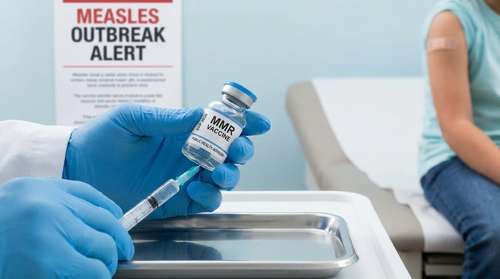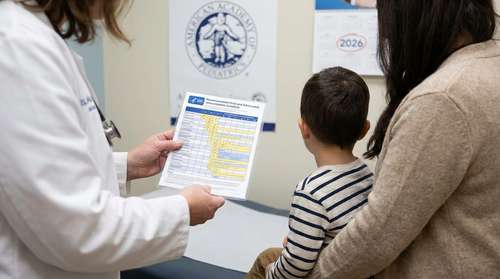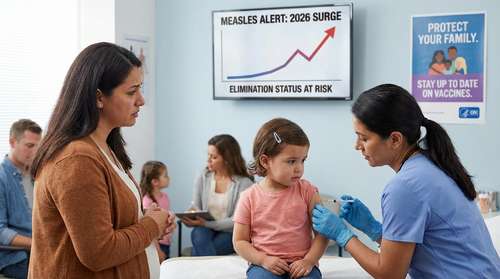
The United States is standing at a critical public health crossroads. Following a dramatic spring surge that has pushed confirmed infections past 1,670 by early April, the nation is on the verge of officially losing its measles elimination status 2026. What began as isolated, travel-related clusters has rapidly evolved into sustained domestic transmission. For parents and caregivers, understanding this shifting landscape is no longer optional—it is a vital component of protecting your family.
The Tipping Point: Analyzing the CDC Measles Outbreak Update
In a pivotal CDC measles outbreak update, federal officials confirmed that scientists are currently collaborating with the Broad Institute to sequence approximately 1,000 measles genomes from recent infections. The primary goal of this extensive genomic investigation is to determine whether the virus has maintained uninterrupted transmission within U.S. borders for 12 consecutive months.
Sequencing these genomes is a complex process. The genetic blueprint of the virus mutates at a predictable rate, leaving a breadcrumb trail that scientists can follow. By comparing the viral genomes of recent patients to those collected a year ago, researchers can map out the exact chains of infection. If the sequence shows an unbroken chain of transmission that stretches beyond the 12-month threshold, the criteria for elimination are officially broken.
If the data confirms a full year of sustained domestic circulation, the U.S. will be stripped of the elimination status it proudly achieved in 2000. The numbers are pointing toward a sobering reality. According to recent public health data, 94% of current cases are linked to 17 active outbreaks across the country. While previous years saw outbreaks contained relatively quickly, the scale of the current crisis is severely testing the limits of local public health infrastructure.
From Airports to Classrooms: The Reality of Measles Community Spread
Historically, measles cases in the U.S. have been imported by unvaccinated international travelers. However, the current surge is distinctly different. The virus has firmly taken root domestically, leading to rampant measles community spread. States that previously saw only a handful of infections are now managing massive clusters.
Utah, for example, has seen its outbreak skyrocket, recording over 360 cases in early 2026 alone. South Carolina recently battled an outbreak approaching 1,000 cases, the largest the state has seen in decades. This transition from travel-related cases to localized outbreaks means the virus is now circulating in the places families frequent every day.
The shift represents a fundamental change in how health providers must approach patient care. In previous years, a doctor might only suspect a measles infection if the patient had recently traveled abroad to a region with endemic transmission. Today, pediatricians must keep the virus on their radar for children who haven't left their home state. This reality is particularly concerning for infants who are too young to receive their first vaccination dose, as well as immunocompromised individuals who rely on herd immunity for protection.
The High Cost of Measles Exposure Schools and Daycares
Local health departments are increasingly battling outbreaks that center around educational facilities. When a measles exposure schools alert is issued, it requires immense public health resources to trace contacts and contain the spread. The highly contagious nature of the virus means that a single infected student can expose hundreds of vulnerable peers in a matter of days.
Managing these school-based exposures is incredibly costly. In Washtenaw County, Michigan, public health officials recently spent an estimated $45,000 in staffing costs just to manage a small cluster of cases linked to a single unvaccinated traveler. When these small clusters erupt into hundreds of cases, the strain on school districts and local health departments becomes exponential.
Spotting the Signs: Measles Symptoms in Children
With the virus circulating more freely than it has in nearly thirty years, parents must remain hyper-vigilant. Early measles symptoms in children often mimic a standard respiratory infection. Kids typically present with a high fever, persistent cough, runny nose, and watery, red eyes. Tiny white spots, known as Koplik spots, may appear inside the mouth two to three days after symptoms begin.
However, the hallmark sign—a full-body maculopapular rash—typically appears three to five days after the initial symptoms begin. Because the virus is airborne and can linger in a room for up to two hours after an infected person has left, swift identification and immediate isolation are paramount. Around 5% of patients this year have required hospitalization, underscoring that this is not simply a harmless childhood rash.
Parents should also be aware that complications from the virus can be severe. Pneumonia is a common severe complication, and the virus can also lead to encephalitis, a dangerous swelling of the brain. The fact that symptoms initially present like a common cold means that infected children might attend daycare or family gatherings before anyone realizes they are highly contagious.
Closing the Gap: The MMR Vaccine for Toddlers
The most effective shield against this highly infectious disease remains immunization. Health experts globally emphasize that the MMR vaccine for toddlers is incredibly safe and overwhelmingly effective. A single dose provides approximately 93% protection against the virus, while the full two-dose series offers 97% immunity.
Pediatricians are urging families to check their medical records and ensure they are up to date. Sticking strictly to the recommended pediatric vaccine schedule 2026 is the absolute best way to ensure your child is protected before they ever encounter the virus in their community. The standard protocol calls for the first dose to be administered between 12 and 15 months of age, with the second dose given between 4 and 6 years old, right before a child enters the school system.
As scientists finish sequencing the viral genomes and the nation braces for the potential loss of its elimination status this November, the power to turn the tide remains in the hands of communities. High vaccination coverage is the only definitive way to halt the current surge and protect the most vulnerable among us.