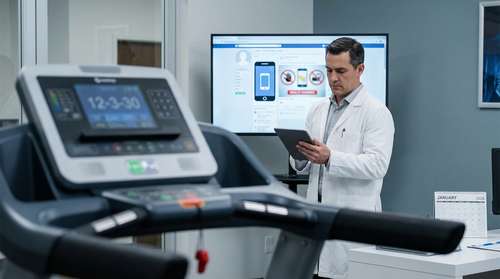
Medical professionals and physical therapists are sounding the alarm on Friday, January 23, 2026, regarding a dangerous resurgence of the viral "12-3-30" treadmill workout and the toxic "SkinnyTok" aesthetic. While the New Year often brings a surge in fitness enthusiasm, experts warn that the combination of unregulated influencer advice and a nostalgic return to 2016-era body standards is leading to a spike in overuse injuries and disordered eating behaviors among Gen Z. Emergency rooms and physiotherapy clinics report seeing a sharp increase in Achilles tendonitis and hip issues linked directly to these extreme incline routines.
The 12-3-30 Trend: Efficiency vs. Injury Risk
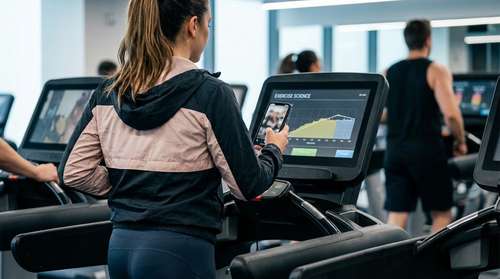
The 12-3-30 treadmill workout, which involves walking at a 12% incline and 3 mph for 30 minutes, has seen a massive revival in January 2026. Originally popularized by influencer Lauren Giraldo years ago, the routine has returned to the spotlight as the "ultimate" fat-burning hack. However, physical therapists warn that diving into this high-intensity incline without preparation is a recipe for disaster.
"We are seeing patients walk through the door with lower back strain and severe calf issues because their bodies simply aren't conditioned for a 12% grade," says Dr. Sarah Jenkins, a sports medicine specialist. A study released earlier this month, on January 1, 2026, compared the metabolic responses of the 12-3-30 workout to self-paced running. While the data confirmed the workout's potential for fat utilization, it also highlighted that the sustained incline places disproportionate stress on the posterior chain, particularly for those with limited ankle mobility.
New Data on Metabolic Costs
The January 2026 study revealed that while the 12-3-30 method effectively burns calories, it is often less time-efficient than traditional running for total energy expenditure. Furthermore, for individuals with dormant glutes or weak cores, the steep incline forces the lower back to compensate, leading to chronic pain. Experts advise that if you must try the trend, you should start at a 2-3% incline and gradually build up over weeks, rather than jumping straight to level 12.
'SkinnyTok' and the '2026 is the New 2016' Phenomenon
Parallel to the treadmill trend is the alarming return of "SkinnyTok," fueled by the viral "2026 is the New 2016" movement. This cultural shift creates nostalgia for the "Tumblr girl" aesthetic of a decade ago, which prioritized extreme thinness over functional strength. Despite TikTok's attempts to ban harmful hashtags in mid-2025, the content has migrated to new, coded terms, evading safety algorithms and reaching millions of young users.
Psychologists warn that this specific brand of nostalgia is particularly damaging because it frames restrictive eating not as a disorder, but as a vintage aesthetic. "We are seeing a regression in body positivity," warns clinical psychologist Dr. Elena Ross. "The content circulating in January 2026 explicitly links one's value to visible collarbones and thigh gaps, undoing years of progress in mental health awareness."
Mental Health Implications
The pressure to conform to these resurfaced standards is contributing to what experts call "digital body dysmorphia." Unlike the fitness trends of 2024 that focused on muscle building (the "muscle mommy" era), the current wave emphasizes shrinking oneself. This shift has correlated with a noticeable rise in anxiety and burnout among young women who feel unable to keep up with the contradictory demands of high-performance treadmill workouts and calorie-deficit aesthetics.
Safer, Science-Backed Fitness Trends for 2026
In response to these risks, top trainers are advocating for "Regenerative Fitness" and "Micro-Workouts"—two emerging trends that prioritize longevity over intensity. Instead of grinding through a painful 30-minute incline walk, experts suggest breaking movement into "exercise snacks": three 10-minute sessions spread throughout the day. This approach has been shown to boost metabolism without overloading the joints or spiking cortisol levels.
Another safe alternative gaining traction is AI-powered adaptive training. Unlike static viral challenges, these personalized programs adjust real-time based on your recovery data, ensuring you build strength without risking injury. "The goal for 2026 shouldn't be to shrink," Dr. Jenkins advises. "It should be to build a body that can carry you through life pain-free."
Expert Guidelines for Sustainable Weight Loss
If you are looking to lose weight safely in 2026, medical professionals recommend ignoring the viral "quick fixes." Sustainable weight loss comes from a balanced approach: a slight caloric deficit combined with progressive overload strength training and low-impact cardio that doesn't hurt. Before starting a high-incline regimen like 12-3-30, perform a simple mobility test: if you cannot touch your toes or squat without your heels lifting, your ankles and hips likely aren't ready for a 12% grade.
Ultimately, the most effective workout is one that doesn't land you in physical therapy. By focusing on functional health rather than viral aesthetics, you can achieve your fitness goals without becoming a statistic in the growing health crisis of 2026.