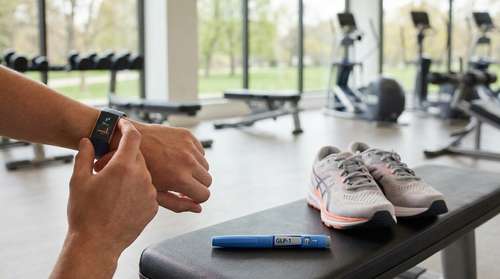
February 10, 2026 – The fitness industry has officially entered the "Strength-Preservation Era." In a landmark move cementing this shift, WeightWatchers announced today a strategic partnership with functional fitness franchise Pvolve, integrating specialized resistance training directly into its GLP-1 medication tier. This development marks the latest and most significant step in a widespread industry pivot, as major fitness chains across the United States roll out "Muscle-First" programming designed specifically for the estimated 30 million Americans now using GLP-1 medications like Ozempic, Wegovy, and Zepbound.
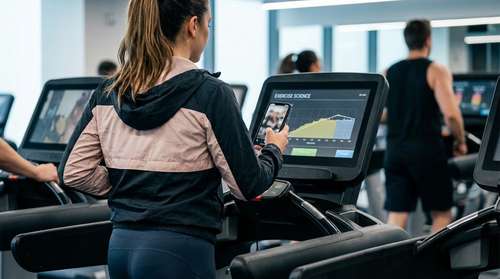
For decades, the gym industry operated on a simple equation: cardio equals weight loss. However, the mass adoption of GLP-1 receptor agonists has fundamentally broken that model. With users losing weight rapidly—often shedding vital lean muscle mass alongside fat—gyms are scrambling to rewrite their playbooks. The new mandate is no longer just about burning calories; it is about saving muscle. As we move deeper into 2026, GLP-1 fitness programs are becoming as standard as the treadmill section, transforming health clubs from weight-loss centers into metabolic health clinics.
The "Muscle-First" Mandate: Combating the Sarcopenia Crisis
The urgency behind these new protocols stems from a growing medical concern known as drug-induced sarcopenia. Clinical data indicates that without proper intervention, 20% to 50% of the weight lost on GLP-1 medications can come from lean muscle tissue. This muscle loss not only lowers a patient's resting metabolic rate—increasing the risk of rapid weight regain if they stop the drug—but also impacts long-term mobility and bone density.
"The conversation has shifted entirely from 'how much do you weigh' to 'what is your body composition,'" explains Dr. Sarah Jenkins, a metabolic health specialist advising fitness brands. "Muscle preservation workouts are now a medical necessity for millions. We are seeing gyms pivot away from high-intensity interval training (HIIT) toward lower-impact, higher-load strength training designed to stimulate muscle protein synthesis without overwhelming a system that is already in a caloric deficit."
Today's announcement from WeightWatchers and Pvolve underscores this reality. The new "GLP-1 Companion" classes focus on functional movement and resistance, specifically engineered to counteract the muscle deterioration common in rapid weight loss. This follows similar initiatives from luxury giants like Equinox and Life Time, who pioneered the trend in 2024 and have since expanded their "metabolic conditioning" offerings to all locations.
Inside the New "Ozempic Exercise Routines"
What exactly does a workout designed for an Ozempic user look like? Unlike the "no pain, no gain" ethos of the past, these 2026 protocols prioritize efficacy and sustainability. Ozempic exercise routines typically feature:
- Progressive Overload: A strict focus on gradually increasing weights to signal the body to retain muscle tissue.
- Reduced Volume: Shorter sessions (20-30 minutes) to accommodate the fatigue and lower energy intake often reported by GLP-1 users.
- Compound Movements: Exercises like squats, deadlifts, and presses that recruit multiple muscle groups to maximize metabolic impact.
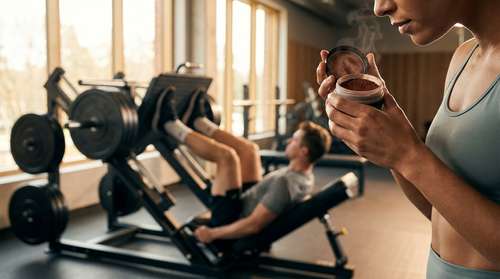
- Recovery Focus: Enhanced emphasis on protein timing and rest days to support tissue repair.
Digital fitness platforms are also adapting. Noom, which expanded its "GLP-1 Companion" app features earlier this week, now includes AI-powered body composition tracking to help users monitor muscle mass retention rather than just scale weight. This integration of tech, pharma, and fitness represents the core of 2026 fitness industry trends.
The Business of Metabolic Health
For gym operators, this pivot is also a survival strategy. As "exercise for weight loss" becomes less relevant for a population taking appetite-suppressing drugs, gyms must offer a new value proposition. That value is metabolic health fitness.
"We aren't just selling a place to sweat anymore; we are selling the 'companion therapy' to your medication," notes Mark Davison, a fitness industry analyst. "The gym is becoming the pharmacy's partner. You pick up your prescription, and you pick up your strength training for weight loss plan. They are becoming two halves of the same whole."
This economic reality is driving partnerships previously thought unlikely. Budget-friendly chains are reportedly in talks with telehealth providers to offer discounted memberships to GLP-1 patients, positioning strength training as a reimbursable "preventative care" service. With the GLP-1 market projected to exceed $100 billion, the fitness industry's slice of that pie depends entirely on its ability to prove it can solve the muscle-loss problem.
Looking Ahead: The New Normal in 2026
As we navigate the rest of 2026, the distinction between "medical" and "recreational" fitness will continue to blur. The "Strength-Preservation Era" is not merely a trend; it is a fundamental restructuring of how Americans approach exercise. For the 30 million users of GLP-1s, the message from the fitness industry is clear: the drug can take the weight off, but only the gym can keep the strength on.
Stay tuned to HealthVot for continuing coverage of healthvot news and the evolving intersection of healthcare and fitness.