February 24, 2026 – The personal training industry is undergoing a seismic shift as new data released today reveals that nearly one-third of fitness enthusiasts have pivoted to using AI tools like ChatGPT as their primary coach. Dubbed the "Pocket PT" movement, this trend is reshaping how Americans approach fitness, driven by the dual forces of advancing digital fitness technology and the tightening grip of the cost of living crisis.
The Economic Driver: Why 'Pocket PTs' Are Taking Over
For decades, hiring a personal trainer was a luxury reserved for the affluent, with hourly rates often exceeding $100. However, the financial landscape of 2026 has forced a reevaluation of monthly expenses. According to the latest industry report, while traditional gym memberships average over $77 per month, the vast majority of AI personal trainer apps cost a fraction of that—or nothing at all.
"It’s purely a numbers game for many households right now," explains Sarah Jenkins, a digital fitness analyst. "When you can get a hyper-personalized, 24/7 workout plan from an app for $12 a month, or even for free using advanced LLMs, justifying a $400 monthly bill for a human trainer becomes increasingly difficult."
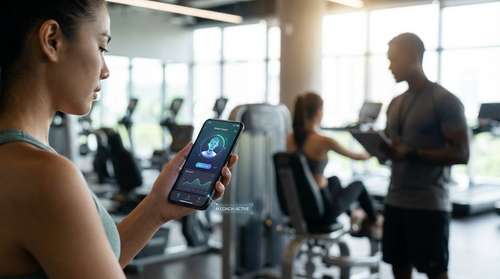
This economic pressure has catalyzed the Pocket PT trend 2026, where affordability meets accessibility. Users are no longer just using apps to log runs; they are leveraging sophisticated AI to build periodized strength programs, track macronutrients, and adjust workouts in real-time based on fatigue levels.
Capabilities of the New AI Fitness Coach
The AI fitness coach of 2026 is unrecognizable compared to the generic workout generators of the past. Powered by the latest iterations of generative AI, tools like ChatGPT and specialized apps such as Fitbod and Freeletics now offer a level of customization that rivals human expertise.
Real-Time Customization
Modern AI tools can ingest vast amounts of personal data—from sleep quality tracked by wearables to recent injury history—to tailor daily sessions. If a user reports lower back pain or a poor night's sleep, the AI instantly modifies the scheduled workout to focus on mobility or active recovery rather than heavy lifting. This dynamic adaptability is a key feature driving the AI personal trainer adoption rate.
Data-Driven Analytics
Beyond planning, these digital coaches excel at analytics. They provide granular insights into progressive overload, volume trends, and recovery metrics. "My AI trainer knows exactly when I'm plateauing before I do," says Mark Davis, a 34-year-old marketing executive from Chicago who switched to an AI-only routine in January. "It adjusts my sets and reps automatically. It takes the guesswork out of training."
AI vs Human Trainer: The Missing Human Element
Despite the technological leaps, the debate of AI vs human trainer remains heated. While AI can crunch numbers and design perfect physiological programs, it lacks the soft skills that define great coaching: empathy, psychological support, and nuanced form correction.
Dr. Emily Carter, a sports psychologist, warns against a total reliance on algorithms. "An AI can tell you to do another rep, but it can't see that you're emotionally exhausted or physically compromising your form because of stress," she notes. "The 'high-five' effect—that human connection and accountability—is something technology hasn't replicated yet."
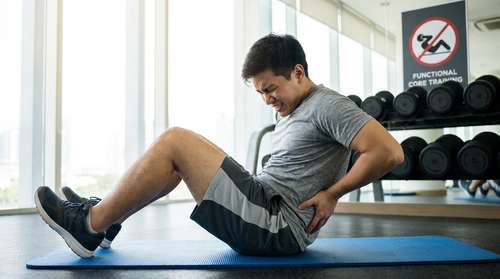
Furthermore, while computer vision is improving, it cannot yet match a human eye for subtle biomechanical corrections that prevent long-term injury. For beginners, the lack of real-time, hands-on guidance remains a significant barrier to safety.
The Future of Fitness is Hybrid
As the digital fitness technology market matures, a hybrid model is emerging as the gold standard. High-end human trainers are increasingly using AI as a backend tool to handle programming and nutrition logistics, allowing them to focus on motivation and technique. Meanwhile, for the budget-conscious majority, the affordable workout apps and 'Pocket PTs' provide a professional-grade alternative that democratizes access to elite fitness knowledge.
With ChatGPT workout routines becoming more sophisticated by the day, the 'Pocket PT' is not just a fleeting trend—it is the new baseline for personal fitness in 2026.