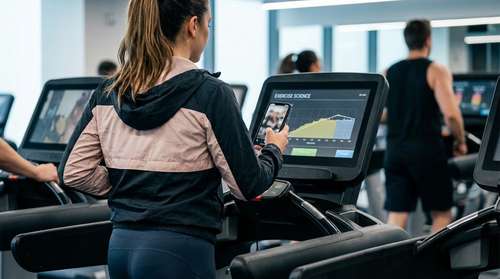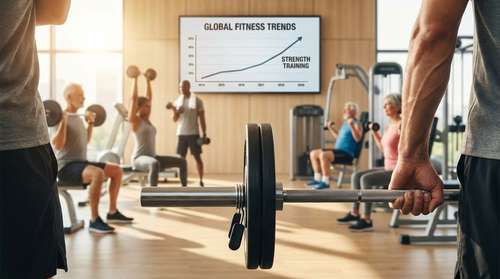
If you walked into a commercial gym this week, you likely noticed a subtle but massive shift on the weight room floor. The endless rows of treadmills are thinning out, rapidly replaced by squat racks, heavy dumbbells, and specialized personal training pods. This isn't just a seasonal fitness trend—it is the direct result of the biggest pharmaceutical phenomenon of the decade. Welcome to the "Ozempic makeover 2026" pivot, where millions of Americans are aggressively altering their fitness regimens to combat the unintended physical side effects of rapid medical weight loss.
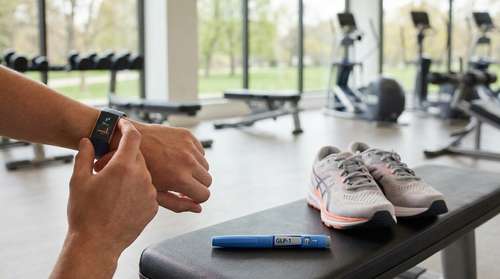
With recent April 2026 data indicating that roughly 1 in 8 U.S. adults are currently utilizing a GLP-1 medication, the commercial fitness industry is scrambling to adapt. The sheer volume of individuals shedding 15% to 20% of their body weight has birthed one of the most vital fitness trends 2026 has to offer: dedicated GLP-1 fitness routines designed entirely for muscle preservation rather than calorie burning.
The Hidden Cost of Rapid Weight Loss: The 'Ozempic Body'
To understand why trainers are overhauling their schedules this month, you have to look at the clinical data surrounding medications like semaglutide (Ozempic, Wegovy) and tirzepatide (Mounjaro, Zepbound). These drugs are undeniably effective at suppressing appetite and regulating blood sugar, but the weight they melt away isn't exclusively fat.
According to recent sports medicine research, a staggering 25% to 40% of the weight lost on these medications can come directly from lean muscle mass if patients aren't actively intervening. This rapid reduction in skeletal muscle has led to what trainers colloquially call the "skinny-fat" dilemma or "Ozempic body"—a physiological state where the scale drops dramatically, but body composition deteriorates, leaving patients weaker and prone to daily fatigue.
The Danger of Sarcopenia
Muscle loss isn't just an aesthetic issue; it is a metabolic and structural crisis. Sarcopenia, or the involuntary loss of muscle mass and physical strength, usually takes decades to develop as humans age. Yet, patients on intensive incretin mimetic therapies are experiencing years' worth of muscle degradation in a matter of months.
Furthermore, skeletal muscle acts as the body's primary metabolic sink for glucose. Losing significant muscle tissue can compromise long-term insulin sensitivity, making it much harder to keep the weight off if the medication is ever paused. That harsh clinical reality is precisely why strength training for Ozempic users has transitioned from an optional gym hobby to a strict medical necessity.
Enter the 2026 Fitness Boom: Muscle Preservation Workouts
Fitness chains and independent functional fitness centers are rolling out specialized protocols this quarter to meet unprecedented consumer demand. Instead of high-intensity cardio classes geared toward maximizing calorie burn, the industry focus has abruptly shifted to muscle preservation workouts.
Personal trainers are now fielding daily inquiries from clients who are successfully losing weight but struggling with newfound physical weakness. The new standard for GLP-1 fitness routines centers almost entirely on progressive overload. Facilities are actively introducing specialized "pump" and functional strength classes that focus on heavy compound movements like deadlifts, squats, and overhead presses. These specific exercises send a crucial biological signal to the central nervous system: keep this muscle tissue, we still need it to function.
Preventing Muscle Loss on Wegovy: The Three-Pillar Protocol
Reversing the muscle-wasting effects of GLP-1 agonists requires a highly targeted lifestyle approach. Fitness experts, physical therapists, and registered dietitians currently champion a robust three-pillar protocol for anyone utilizing these medications.
1. Non-Negotiable Heavy Resistance Training
Walking and cycling are excellent for cardiovascular health, but they are woefully insufficient for retaining lean mass during a severe, drug-induced caloric deficit. Prescribing resistance training weight loss drugs programs is now standard clinical practice. Experts recommend two to four days of dedicated strength training per week. Lifting heavier weights in the 8-to-12 repetition range triggers muscle protein synthesis, effectively forcing the body to burn adipose tissue (fat) rather than cannibalizing its own muscle.
2. Aggressive Protein Intake
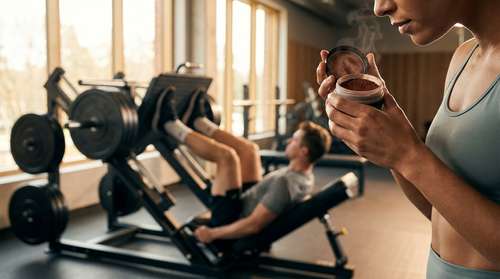
When GLP-1 medications effectively silence "food noise" and suppress appetite, a patient's protein consumption typically plummets first. Preventing muscle loss on Wegovy requires treating protein like a daily prescription. Current nutritional guidelines for GLP-1 users recommend targeting 1.2 to 1.6 grams of protein per kilogram of body weight. For a 150-pound individual, that translates to roughly 80 to 110 grams of high-quality protein every single day. Because patients often feel too full for large meals, dietitians heavily rely on whey or plant-based protein supplements to bridge the nutritional gap.
3. Medically Supervised Recovery
Because the caloric deficit induced by these medications is so profound, muscular recovery takes much longer. The 2026 fitness framework integrates robust rest periods, somatic movement, and prioritized sleep to ensure the central nervous system recovers from heavy lifting without burning out or risking joint injury.
The Evolution of Resistance Training Weight Loss Drugs
The landscape of modern weight management is only expanding. With the recent FDA approval of next-generation oral GLP-1 options hitting pharmacy shelves this spring, the accessibility of these metabolic tools is wider than ever. As a direct consequence, the fitness industry's business model has permanently shifted.
The era of exercising merely to burn maximum calories is largely over for this massive demographic. The medication is already handling the calorie deficit effortlessly. Today, the gym is viewed strictly as a place for structural preservation and hormonal balance. The Ozempic makeover pivot proves that the ultimate goal of modern weight loss isn't just about taking up less space on the scale—it is about retaining the strength, resilience, and functional muscle needed to thrive in a significantly leaner body.