As Americans settle back into their routines after the holiday season, a new and highly contagious COVID-19 variant is making its presence felt across the nation. Health officials have identified the NB.1.8.1 sub-lineage, colloquially dubbed 'Nimbus,' as the primary driver behind a sharp post-holiday surge in respiratory infections. With cases climbing in 37 states, the Centers for Disease Control and Prevention (CDC) is urging the public to remain vigilant against this latest evolution of the Omicron family.
What Is the NB.1.8.1 'Nimbus' Variant?
The NB.1.8.1 variant, nicknamed 'Nimbus' for its cloud-like rapid spread across tracking maps, is a descendant of the JN.1 lineage that dominated previous winters. First detected in surveillance samples late last year, it has quickly outcompeted other circulating strains due to its enhanced transmissibility. Viral evolution experts note that Nimbus carries specific mutations in its spike protein that allow it to bind more tightly to human ACE2 receptors, making it exceptionally efficient at entering cells.
While the emergence of new variants is a pattern we have come to expect, the speed at which Nimbus has established dominance is notable. Data from early January 2026 indicates that NB.1.8.1 now accounts for a significant plurality of new genomic sequences reported to global health databases, displacing the 'Stratus' (XFG) variant that had been circulating in the fall.
Distinct Symptoms: The 'Razor Blade' Throat
While Nimbus shares many characteristics with its Omicron predecessors, doctors are reporting a shift in the symptom profile. The hallmark of this wave appears to be an intense, painful sore throat, often described by patients as feeling like "swallowing razor blades." This symptom often presents before congestion or fever, serving as an early warning sign of infection.
Common Symptoms of NB.1.8.1 Include:
- Severe sore throat (pharyngitis)
- Deep fatigue and muscle aches
- Gastrointestinal distress (nausea, vomiting, or diarrhea)
- Severe congestion and runny nose
- Hoarse voice
Unlike previous waves where loss of taste and smell was common, Nimbus patients report these sensory symptoms less frequently. Instead, the focus has shifted to upper respiratory inflammation and gastrointestinal issues, which can sometimes lead to misdiagnosis as stomach flu in the early stages.
The January 2026 Surge: Context and Trends
The current spike in cases is not unexpected, given the heavy travel and indoor gathering associated with the recent holidays. However, the CDC COVID tracking map shows a "high" or "very high" level of viral activity in wastewater across the Northeast, Midwest, and parts of the South. This winter surge is further complicated by the co-circulation of influenza and RSV, creating a "tripledemic" threat that is once again straining hospital capacity in some regions.
Despite the high infection rates, there is a silver lining: early data suggests that while Nimbus is better at evading antibodies from older infections, it does not appear to cause more severe disease in the general population. Hospitalization rates are rising, but primarily due to the sheer volume of cases rather than an increase in the virus's virulence.
Vaccine Efficacy and Treatment
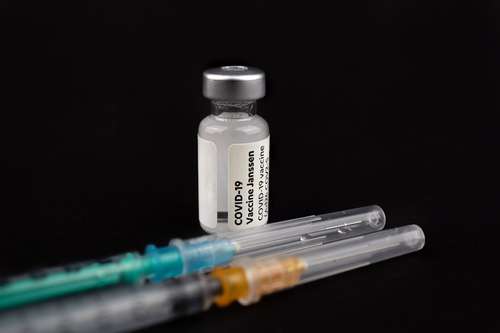
One of the most pressing questions for many is whether current vaccines still offer protection. Infectious disease experts confirm that the updated 2025-2026 COVID-19 boosters provide a robust line of defense against severe outcomes from NB.1.8.1. While the neutralizing antibodies may not completely prevent infection due to the variant's mutations, they remain highly effective at keeping patients out of the ICU.
"The booster you received this fall is doing its job," says Dr. Elena Rodriguez, a virologist tracking the surge. "Even if you catch Nimbus, your immune system is primed to fight it off faster, turning what could be a dangerous illness into a manageable few days on the couch."
When to Seek Medical Care
Most cases of the Nimbus variant can be managed at home with rest, hydration, and over-the-counter pain relievers for that characteristic throat pain. However, vulnerable groups—including the elderly and immunocompromised—should access antiviral treatments like Paxlovid as early as possible. Immediate medical attention is required if you experience difficulty breathing, persistent chest pain, or confusion.
Staying Safe This Winter
To navigate the remainder of the winter respiratory season, experts recommend returning to proven prevention strategies. High-quality masks (N95 or KN95) remain the best tool for preventing infection in crowded indoor spaces. Additionally, utilizing rapid home tests—even if you think it's just a cold—can help break chains of transmission. Since Nimbus symptoms can mimic allergies or strep throat, testing is the only way to be sure.