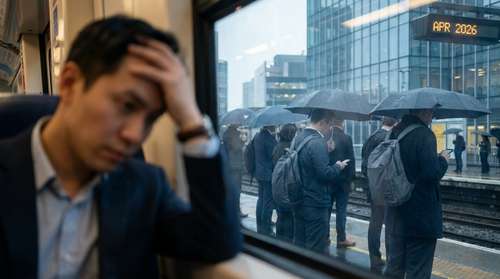
The corporate landscape is undergoing a seismic shift this spring. A major April 2026 workforce study has laid bare an uncomfortable truth for executives demanding full-time desk attendance: return to office anxiety has reached unprecedented levels. As mandates tighten across major industries, a staggering 70 percent of employees report heightened anxiety linked directly to the shift back to the office. This is not just mild grumbling about the morning commute. It is a full-blown behavioral health emergency that is pushing overall employee well-being to a six-year low.
The Staggering Reality of Workplace Burnout in 2026
Over the last few months, companies have aggressively pivoted away from hybrid leniency, enforcing strict in-person requirements. The result is a steep rise in employee burnout statistics that human resources departments can no longer ignore. According to recent workforce behavioral health data, 66 percent of American workers experienced severe exhaustion in the past year, with the latest push for physical attendance acting as the tipping point.
This high-pressure environment is uniquely defining workplace burnout 2026. Workers are not just tired; they are actively exhibiting physical and psychological RTO stress symptoms. From chronic insomnia and elevated blood pressure to clinical depression, the physiological toll of disrupted routines is mounting. Organizations enforcing rigid mandates are seeing behavioral health claims rise rapidly, with industry forecasts predicting up to a 20 percent spike in mental health care costs by the end of the year.
The Squeeze on the Sandwich Generation
The transition back to cubicles is not impacting the workforce equally. The burden falls disproportionately on the sandwich generation—those mid-career professionals simultaneously raising children and caring for aging relatives. For years, remote work served as the crucial buffer that made this intensive dual-caregiving role manageable.
Stripping away that autonomy has created an unsustainable pressure cooker. Data reveals that 84 percent of sandwich generation workers say their mental well-being has suffered since rigid office policies took effect. Without the flexibility to handle a midday doctor appointment for a parent or a school pick-up for a child, many are being forced to make an impossible choice between their livelihoods and their families. Nearly 40 percent of these caregivers indicate they would find a new job or exit the workforce entirely rather than comply with full-time on-site directives.
Unpacking the Gen Z Mental Health Crisis
Simultaneously, a massive demographic shift is playing out on the office floor. Recent data confirms that Gen Z has officially surpassed Millennials as the most burnt-out segment of the workforce. This generation entered the professional world during a period of intense global instability and remote isolation, making the abrupt shift to traditional corporate norms deeply jarring.
The Gen Z mental health crisis is incredibly complex. On one hand, younger employees report significant anxiety regarding office politics, proximity bias, and the daily performative aspects of corporate life. Gen Z remote workers average lower mental wellbeing scores than their Gen X counterparts. Yet, those remaining fully remote often experience acute loneliness, missing out on the mentorship and organic social connections that early-career professionals desperately crave. It is a paradox that rigid, top-down mandates completely fail to address.
The Demand for a New Corporate Culture
For Gen Z, psychological well-being is not an optional perk; it is a fundamental employment requirement. They openly discuss therapy, boundaries, and psychiatric care in ways previous generations never did. If a company culture threatens their emotional stability, they will simply leave. Managers pushing aggressive return-to-office timelines without providing robust behavioral support are quickly watching their youngest, most innovative talent walk out the door.
Redefining Mental Health at Work in 2026
Corporate leadership faces a critical inflection point. As the data clearly illustrates, the heavy-handed mandates of the past are backfiring, stripping companies of top talent and driving up healthcare costs. Forward-thinking organizations are recognizing that mental health at work 2026 requires a far more nuanced, individualized approach.
We are seeing a rapid evolution in workplace wellness trends. Standard, one-size-fits-all Employee Assistance Programs are being replaced by specialized, highly targeted behavioral health resources. To remain competitive, companies are fundamentally reshaping their benefits packages to address these acute challenges.
- Targeted Caregiver Support: Providing subsidized backup childcare and eldercare, alongside flexible core hours, to relieve the immense pressure on the sandwich generation.
- Specialized Behavioral Health: Moving beyond generic hotlines to offer specific support for neurodivergent employees, maternal mental health, and clinical burnout recovery.
- Intentional Hybrid Design: Structuring office days explicitly for collaborative work, team building, and mentorship, rather than forcing employees to commute simply to sit on virtual video calls.
Ultimately, employees are not inherently rejecting the physical office. They are rejecting the loss of autonomy and the lack of intentional design behind these mandates. When leaders prioritize authentic flexibility, measure output over physical presence, and actively support their team psychological health, the office can once again become a hub of collaboration rather than a source of dread. The organizations that thrive this year will be the ones that understand flexibility and well-being are the ultimate drivers of long-term productivity.