A shocking new clinical study released this week has sent tremors through the fitness and medical communities: nearly 40% of the weight lost by patients on popular GLP-1 medications like Ozempic and Wegovy is actually lean muscle mass, not fat. This data, published in Obesity Reviews and led by researchers at the University of Cambridge, confirms what many experts have feared—that the rapid weight loss associated with these drugs is fueling a silent "sarcopenia epidemic." As millions of Americans turn to injections for metabolic health, the fitness industry is scrambling to adapt, rolling out specialized GLP-1 muscle retention workouts designed to counteract this unprecedented decline in strength.
The "Ozempic Melt": Understanding the Muscle Crisis
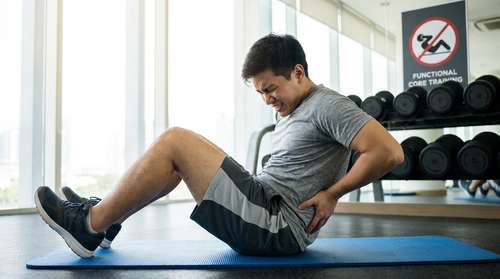
The phenomenon, colloquially dubbed the "Ozempic Melt," occurs because GLP-1 agonists dramatically suppress appetite, leading to a caloric deficit so severe that the body begins catabolizing its own muscle tissue for energy. While losing fat is the goal, losing muscle destroys metabolic health, lowers resting metabolic rate, and increases the risk of injury—a condition known as sarcopenic obesity.
Dr. Marie Spreckley, lead author of the new 2026 study, warns that patients focusing solely on the scale are winning the battle but losing the war. "Without a targeted Ozempic fitness routine, patients are aging their musculoskeletal systems by decades in a matter of months," she notes. This has forced a complete rewrite of standard weight-loss advice. The days of "eat less, move more" are over for this demographic; the new mandate is "eat protein, lift heavy."
The New 2026 Protocol: Sarcopenia-Defense Classes
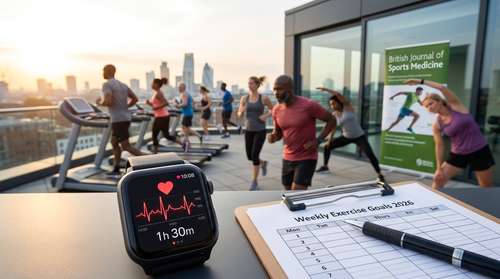
In response to these findings, top fitness brands and boutique studios are launching "Sarcopenia-Defense" classes. These muscle sparing fitness 2026 protocols mark a significant departure from the cardio-heavy bootcamps of the past. The goal is no longer to burn calories—the drug does that already—but to provide a potent anabolic stimulus to preserve tissue.
The new gold standard for preventing muscle loss on Wegovy and Zepbound includes:
- Volume Reduction, Intensity Increase: Instead of high-rep, low-weight circuits, the new protocols favor heavy compound movements (squats, deadlifts, presses) performed for 4-6 repetitions. This signals the body that muscle mass is essential for survival.
- Frequency Over Duration: Short, frequent bouts of resistance training (20-30 minutes, 3-4 times a week) are proving more effective than long gym sessions, which can further spike cortisol and catabolism in calorie-deprived users.
- Eccentric Loading: specialized machines that emphasize the lowering phase of a lift are becoming a staple in 2026 fitness trends, as eccentric stress is highly effective for muscle hypertrophy.
The "GLP-1 Companion" Certification
A new trend emerging in January 2026 is the "GLP-1 Companion" certification for personal trainers. This specialized training educates coaches on the unique physiological state of patients on these medications. Trainers are learning that traditional cues for "pushing through" fatigue can be dangerous for someone on a GLP-1 due to lower glycogen stores. Instead, the focus is on "stimulating, not annihilating" the muscle.
Nutrition: The 1.6g Protein Rule
Strength training for weight loss drugs is only half the equation. The new study highlights that the standard recommended dietary allowance (RDA) for protein is woefully inadequate for GLP-1 users. The new clinical consensus suggests a minimum of 1.6 grams of protein per kilogram of ideal body weight daily.
Dietitians are now prescribing the "Early-Bird Protein Strategy." Since appetite often vanishes by midday, users are instructed to consume 30-40 grams of high protein resistance training fuel immediately upon waking. "If you don't front-load your amino acids, you won't get them in at all," explains sports nutritionist Jennifer Rawlings. This nutritional safety net is critical for keeping the body in an anabolic state despite the massive calorie deficit.
The Future of Medical-Fitness Hybrids
As we move deeper into 2026, the line between healthcare and fitness is blurring. We are seeing the rise of the "Medical-Fitness Hybrid" facility, where doctors prescribe the medication and the gym membership simultaneously. These facilities monitor body composition weekly, not just weight, ensuring that the trajectory of loss is healthy.
If you are currently using or considering these medications, understanding the risks to your lean mass is vital. By adopting these new GLP-1 muscle retention workout strategies and prioritizing strength over cardio, you can harness the power of these drugs without sacrificing the engine of your metabolism.