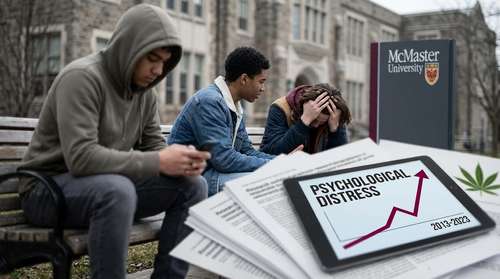
A groundbreaking study released this week has sounded the alarm on a rapidly escalating teen mental health crisis 2026, revealing that psychological distress among adolescents has nearly tripled over the last decade. The research, led by McMaster University and published on January 28, 2026, in the journal Addiction, offers compelling new evidence linking this surge in depression and anxiety to frequent high-potency cannabis use, particularly among young girls.
McMaster University Study Reveals "Shocking" Trends
The comprehensive analysis, which examined data from over 35,000 students in grades seven through 12 across Ontario, paints a grim picture of adolescent psychological distress. Researchers found that symptoms of depression and anxiety spiked by more than 15 percent between 2013 and 2023. Most alarmingly, the study identified a widening gap in mental health outcomes based on substance use habits.
According to the findings, teenagers who used cannabis 40 or more times a year reported an 18 percent higher prevalence of psychological distress in 2023 compared to their peers who abstained. This represents a drastic shift from 2013, when there was virtually no statistical difference in distress levels between frequent users and non-users.
"Far more teens are reporting mental health problems than a decade ago, and frequent cannabis use is increasingly part of that story," said Dr. André McDonald, the study's lead author and a post-doctoral fellow at McMaster University. "Whether cannabis is contributing to those problems or being used to cope with them, today's products are more potent and may carry greater risks than many people realize."
Cannabis and Teen Depression: The Potency Factor
One of the most critical aspects of the mental health research 2026 landscape is the recognition of cannabis potency as a variable. The study suggests that the marijuana consumed by teens today is vastly different from that of previous generations, containing significantly higher concentrations of THC (tetrahydrocannabinol). This increased potency is believed to interfere with neurodevelopment during the critical adolescent years.
Health professionals warn that the developing teenage brain is uniquely vulnerable to the psychoactive effects of modern cannabis. The correlation found in the McMaster study supports the neurodevelopmental theory that early and frequent exposure to high-potency cannabis can exacerbate or trigger underlying mental health conditions.
"The gap we are seeing suggests that cannabis is not just a benign recreational activity for vulnerable youth," noted researchers. "It is potentially compounding the massive pressures teens are already facing in a post-pandemic world."
Girls at Higher Risk
The data revealed a troubling gender disparity, with the rise in psychological distress being most pronounced among adolescent girls. The study highlights that female teens who frequently use cannabis are reporting significantly higher rates of depressive symptoms and severe anxiety compared to their male counterparts. This finding aligns with broader youth anxiety trends observed globally, where teenage girls consistently report higher levels of sadness and hopelessness.
A Decade of Decline: Teen Mental Health Statistics
The findings from McMaster University are not an outlier but rather a confirmation of a decade-long downward trend. Teen mental health statistics have been flashing red for years, but the acceleration of distress symptoms in the mid-2020s has caught many experts off guard. The "tripling" of distress cited in the study serves as a wake-up call for parents, educators, and policymakers.
Key data points from the study include:
- 15% Spike: A sharp rise in anxiety and depression symptoms across the board since 2013.
- 3x Increase: The rate of severe psychological distress has nearly tripled in ten years.
- Substance Link: The correlation between distress and cannabis use has moved from negligible to statistically significant.
What Parents Need to Know in 2026
As we navigate this teen mental health crisis 2026, parents are urged to look beyond stereotypes of teen rebellion. The intersection of cannabis and teen depression requires a compassionate, informed approach. Experts recommend open, non-judgmental conversations about substance use and its specific effects on the developing brain.
Dr. McDonald emphasizes that prevention strategies must evolve. "Reducing the frequency of use and delaying the age of initiation could be critical steps in slowing these trends," he advised. Parents should be vigilant not just for signs of drug use, but for the underlying emotional distress that may be driving it.
The study concludes that while cannabis is a significant factor, it is likely part of a complex web of stressors affecting today's youth, including academic pressure, social media influence, and economic uncertainty. However, unlike these systemic issues, preventing high-frequency substance use is a tangible intervention point for families and health providers.