Public health officials across the United States are issuing urgent respiratory health alerts this weekend as the nation grapples with a rare and intensifying "double peak" of respiratory viruses. As of January 10, 2026, hospitals are reporting record-breaking admission rates driven principally by the convergence of persistent COVID-19 transmission and the rapid dominance of a highly mutated influenza strain known as Subclade K flu. This new H3N2 variant, which emerged late last year, has quickly outpaced other strains, creating what experts are calling a "perfect storm" for the healthcare system.
The Rise of Subclade K: Anatomy of a 'Super Flu'
The primary driver of this winter's severe respiratory season is the emergence of H3N2 variant 2026, scientifically classified as Subclade K (or J.2.4.1). Unlike typical seasonal flu drifts, Subclade K carries approximately 10 distinct mutations on its hemagglutinin surface protein—the key target for immune recognition. This significant genetic shift has allowed the virus to partially evade the protection offered by the 2025-2026 flu vaccine, which was formulated before this specific variant became dominant.
Data released by the Centers for Disease Control and Prevention (CDC) earlier this week confirms that Subclade K now accounts for nearly 90% of all H3N2 cases sequenced in the U.S. While the term "super flu" has been popularized by headlines, virologists clarify that the label refers to the variant's aggressive transmissibility and immune evasion rather than intrinsic lethality. However, the sheer volume of infections is staggering: CDC estimates indicate over 11 million illnesses and 120,000 hospitalizations this season so far, a figure that eclipses records from the past decade for this time of year.
Wastewater COVID Levels Signal Continued High Activity
While the flu grabs headlines, COVID-19 remains a formidable concurrent threat. The latest wastewater Covid levels paint a concerning picture of viral persistence. Although the national average shows signs of a plateau, viral activity remains classified as "High" or "Very High" in 26 states, particularly across the Midwest and the South. This sustained viral load means that millions of Americans are being exposed to SARS-CoV-2 simultaneously with the surging flu variant.
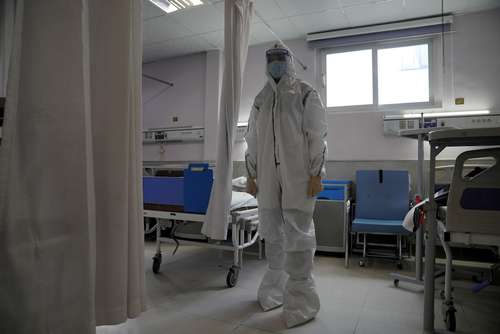
The current COVID landscape is dominated by its own set of immune-evasive variants, which continue to circulate effectively despite high levels of population immunity. The danger of this dual surge lies in the cumulative pressure on hospital capacity. With COVID-19 occupying a significant percentage of ICU beds and Subclade K driving a sharp vertical rise in emergency room visits, healthcare facilities are forced to reactivate surge protocols reminiscent of the early 2020s.
Recognizing Super Flu Symptoms vs. COVID
Distinguishing between these two respiratory giants without testing is increasingly difficult. Super flu symptoms associated with Subclade K are reportedly more intense than a standard flu case. Patients are presenting with sudden-onset high fevers (often exceeding 102°F), severe body aches, and a persistent, dry cough that can linger for weeks. Unlike some milder recent flu seasons, Subclade K is knocking younger, healthy adults off their feet for days.
COVID-19 symptoms in 2026 continue to vary but often include the hallmark sore throat and congestion, with fatigue remaining a major complaint. The intersection of these symptoms has led to a boom in demand for combination home test kits, which are selling out in pharmacies from New York to California. Physicians emphasize that early testing is critical because antiviral treatments—Paxlovid for COVID and Tamiflu for influenza—work best when started within 48 hours of symptom onset.
Navigating the 2026 Respiratory Surge
Despite the vaccine mismatch for Subclade K, health authorities strongly advise against skipping the shot. Real-world data from the U.K., where the Subclade K wave peaked in December, suggests that the current vaccine still reduces the risk of hospitalization by approximately 30-40%. For a virus spreading this widely, that protection is a vital firewall against severe outcomes.
"It is not an all-or-nothing game," explains Dr. Elena Rosales, a virologist monitoring the surge. "Even a mismatched vaccine turns a potentially life-threatening hospitalization into a manageable week at home." In addition to vaccination, layered precautions are making a comeback. Respiratory health alerts in major cities are once again recommending high-quality masks in crowded indoor spaces and public transit to break the chain of transmission.
As we move deeper into January, the trajectory of this respiratory virus surge depends on public behavior. With the dual threat of a vaccine-evasive flu and high COVID circulation, the remainder of the winter season demands vigilance. Ensuring you are up to date on vaccinations and staying home at the first sign of illness remain the most effective tools to protect yourself and the wider community from this unprecedented viral convergence.