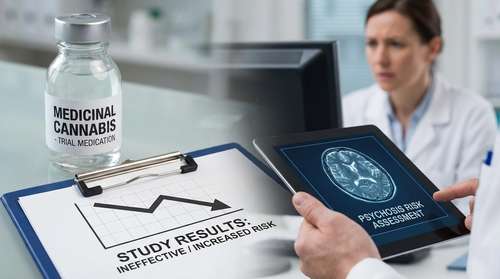
For years, the wellness industry has aggressively positioned cannabinoids as a natural panacea for psychiatric distress. But a sweeping scientific review published on March 20, 2026, has completely upended that narrative. In the most comprehensive analysis of its kind, researchers found that using medicinal cannabis for anxiety, depression, and post-traumatic stress disorder is largely ineffective. Even more concerning, the systematic review warns that relying on these products may actively worsen psychiatric conditions and significantly elevate the risk of severe adverse events.
As medical marijuana legalization continues to expand globally, millions of patients have turned to dispensaries seeking relief from crippling mental health struggles. In the United States and Canada alone, approximately 27 percent of people aged 16 to 65 report using cannabis for medical purposes, with roughly half of those individuals attempting to manage psychological symptoms. This new clinical data suggests a massive disconnect between public perception and psychiatric reality.
Decoding the Marijuana and PTSD Study 2026
The landmark paper, published in The Lancet Psychiatry, was spearheaded by researchers at the University of Sydney's Matilda Centre for Research in Mental Health and Substance Use. Scientists systematically evaluated data from 54 randomized controlled trials conducted between 1980 and 2025, encompassing 2,477 participants. They aimed to definitively measure the safety and efficacy of cannabinoid medications—including both CBD and THC formulations—across a wide spectrum of psychiatric disorders.
The results were unequivocal. The marijuana and PTSD study 2026 concluded there is absolutely no high-quality evidence indicating that cannabis provides sustained relief for trauma, depression, or generalized anxiety. While patients frequently self-report temporary symptom dampening, the clinical data simply does not support those anecdotal claims. The research team noted that for the vast majority of mental health conditions evaluated, the benefits of cannabinoids over a placebo were statistically insignificant.
The Hidden Cannabis and Psychosis Risk
Perhaps the most alarming takeaway from the March 20 publication is the potential for active harm. The lead authors cautioned that routine use of these compounds could actually be doing more damage than good. By introducing high-potency cannabinoids into a vulnerable brain, patients face a severe cannabis and psychosis risk.
When examining THC mental health side effects, clinical observers note a disturbing trend. Frequent use of high-THC products is closely linked to the onset of psychotic symptoms, particularly in sensitive individuals or those predisposed to schizophrenia. Furthermore, patients self-medicating with cannabis are at a significantly higher risk of developing a secondary cannabis use disorder. This dependency complicates their original psychiatric diagnosis and makes long-term recovery exponentially more difficult.
Can Weed Cause Anxiety?
A common paradox in dispensary culture is the patient who consumes marijuana to relax, only to experience intense paranoia or a panic attack. So, can weed cause anxiety? The latest pharmacological data says yes. While small doses of certain strains might temporarily sedate a user, chronic use disrupts the brain's natural endocannabinoid system. Over time, this disruption can lower a person's baseline threshold for stress, meaning they experience more frequent and severe anxiety spikes when they are not intoxicated.
Evaluating Marijuana for Depression Research
The absence of proof is particularly glaring when it comes to mood disorders. When investigators parsed the marijuana for depression research, they found a complete lack of rigorous, randomized trials supporting its use as a primary antidepressant. While traditional selective serotonin reuptake inhibitors (SSRIs) and cognitive behavioral therapy (CBT) have decades of clinical backing, cannabis remains entirely unproven for lifting depressive episodes.
Medical professionals argue that one of the greatest dangers of the current medical marijuana boom is treatment delay. When patients choose unproven cannabinoid therapies, they often postpone engaging with evidence-based non-pharmacological treatments like stress management, psychiatric counseling, and proven medications. Delaying these targeted interventions allows depressive disorders to become more deeply entrenched.
What This Means for the Latest Mental Health Breakthroughs 2026
While the scientific community is constantly searching for innovative psychiatric therapies, this comprehensive review makes it clear that cannabinoids are not the magic bullet advocates hoped for. The researchers did find very limited, low-quality evidence that medicinal cannabis might assist with niche conditions like chronic insomnia, autism, or specific behavioral tics in Tourette's syndrome. However, without robust medical and psychological support, even these applications are rarely justified.
As we navigate the latest mental health breakthroughs 2026 has to offer, the medical community is calling for an urgent reassessment of prescribing trends. While other historically illicit substances are currently undergoing rigorous FDA trials with promising, tightly controlled results for mental health, cannabis currently falls short. The clinical consensus is firm: if you are struggling with your mental well-being, bypass the dispensary and consult a licensed psychiatric professional for evidence-based therapies that actually work.