In a breakthrough that could reshape how we care for an aging population, a new randomized clinical trial published yesterday in JAMA Network Open reveals that smart speakers for mental health are more than just convenient gadgets—they are powerful clinical tools. The study, released on January 23, 2026, provides the strongest evidence to date that voice-enabled AI virtual assistants can significantly reduce psychological distress and improve the quality of life for older adults.
JAMA Mental Health Study 2026: A Turning Point for Digital Care
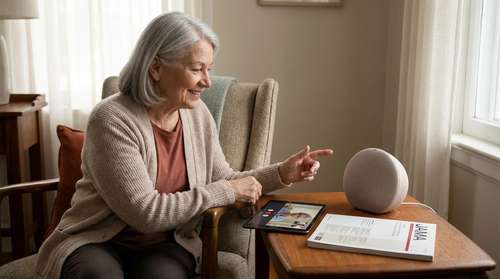
The landmark study, conducted at an academic medical center between 2023 and 2024 and published this week, focused on adults aged 65 and older managing chronic conditions, specifically Type 2 diabetes. Researchers found that participants equipped with interactive smart speakers—programmed with a specific behavioral intervention model—experienced a measurable and significant drop in mental distress compared to those receiving standard care.
According to the findings, the smart speakers for mental health intervention resulted in a reduction of 1.46 points on the Self-Reporting Questionnaire (SRQ-20) scale after just 12 weeks. While the technology is often associated with playing music or setting timers, this trial demonstrates its capacity to deliver structured therapeutic support directly into the homes of seniors.
How Voice-Enabled AI Slashes Distress in Seniors
The secret to the study's success wasn't the hardware itself, but the software running on it. The devices didn't just passively wait for commands; they were integrated with a behavioral intervention model designed to foster engagement. This approach transforms standard AI virtual assistants for seniors into proactive health companions.
"The intervention was also associated with enhanced quality of life, better adherence to diabetes self-care behaviors, and improved glycemic control," noted the study's authors. By addressing the psychological strain often comorbid with chronic illness, the voice assistants helped break the cycle of stress and poor health management that affects millions of older adults.
Bridging the Loneliness Gap
One of the most critical applications of this technology is combating loneliness in older adults. Social isolation is a known risk factor for depression, cognitive decline, and mortality. Voice-enabled therapy tools offer a 24/7 presence that, while not replacing human contact, fills the silence that exacerbates mental health struggles.
- Consistent Engagement: Unlike human caregivers who cannot be present around the clock, AI assistants are always available to answer questions or provide cognitive stimulation.
- Barrier-Free Access: For seniors with mobility issues or those living in rural