On March 24, 2026, the psychiatric field officially crossed a threshold that seemed scientifically impossible just a decade ago. London-based biotechnology pioneer Compass Pathways released a historic business update, confirming that a rolling regulatory submission for its lead synthetic psilocybin candidate, COMP360, is imminent. After an unprecedented year of highly successful Phase 3 clinical milestones, the pursuit of psilocybin therapy FDA approval 2026 is no longer a speculative venture—it is a concrete, rapidly advancing timeline. For the millions of Americans battling severe mood disorders who find absolutely no relief from traditional selective serotonin reuptake inhibitors (SSRIs), this development signals a monumental, life-saving shift in psychiatric care.
A Historic Milestone: The Compass Pathways COMP360 Update
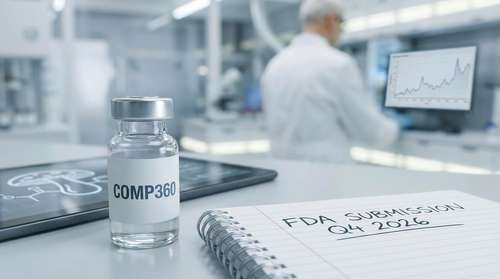
The latest Compass Pathways COMP360 update, delivered alongside the company's year-end financial disclosures, laid out an aggressive and clear roadmap for the clinical months ahead. Executive leadership confirmed that an extensive, highly scrutinized data package is actively being prepared for the U.S. Food and Drug Administration. Backed by the agency's previously granted Breakthrough Therapy designation, the company plans to initiate a rolling New Drug Application (NDA) submission, deliberately aiming for completion between October and December of this year.
If federal regulators accept the application and grant the final clearance, COMP360 would effectively become the first psychedelic medicine FDA approved for the U.S. market. The sheer scale of this achievement cannot be understated for a medical community desperate for novel interventions. Unlike traditional daily antidepressants that require weeks to incrementally build up in a patient's system, this proprietary synthetic formulation of psilocybin is administered in a specialized, psychologically supportive clinical setting. Often, it requires just one or two doses to trigger profound neuroplastic changes in the brain, essentially rewiring the neural circuits associated with rigid, depressive thinking.
COMP360 Clinical Trial Results: A Treatment-Resistant Depression Breakthrough
Treatment-resistant depression (TRD) is broadly defined as major depressive disorder that fails to respond to at least two different antidepressant regimens. It is notoriously difficult to manage, leaving patients vulnerable to prolonged suffering and significantly higher risks of severe outcomes. The foundation of this new treatment-resistant depression breakthrough rests entirely on two massive late-stage clinical trials—COMP005 and COMP006—which collectively enrolled over 1,000 diverse participants. The comprehensive COMP360 clinical trial results have consistently defied the historically high failure rates associated with TRD drug development.
In the global COMP006 trial, patients receiving a 25mg dose of the synthetic compound experienced a highly statistically significant 3.8-point reduction in their Montgomery-Åsberg Depression Rating Scale (MADRS) scores when compared directly to a 1mg control group. Strikingly, roughly 39% of the participants in the higher dose bracket saw a clinically meaningful reduction in their depression symptoms by week six.
What truly separates this therapy from standard pharmacological interventions, however, is the startlingly rapid onset of relief. Researchers observed that patients often experienced significant, measurable improvements just one single day after administration. These therapeutic effects demonstrated remarkable durability, maintaining their impact across all measured timepoints through the six-week core observation period, and in some patient cohorts, lasting well up to 26 weeks after a single treatment cycle.
Navigating the Regulatory Landscape
Bringing a Schedule I substance to the commercial pharmacy market carries a unique set of bureaucratic hurdles. The psychedelic medicine sector faced a stark reality check in 2024 when the FDA abruptly rejected Lykos Therapeutics' MDMA-assisted therapy for PTSD, citing deep concerns over functional unblinding and overall trial design. Compass Pathways proactively absorbed those lessons and directly addressed regulatory anxieties. By utilizing a 1mg active comparator rather than a traditional inert placebo in their recent Phase 3 trials, researchers better managed the tricky blinding issues inherently tied to psychoactive compounds. Furthermore, independent safety boards confirmed that severe treatment-emergent adverse events remained incredibly low—hovering between just 2% and 5%—thereby clearing a critical safety threshold that regulators heavily prioritize.
Defining Mental Health Therapy Trends 2026
As industry analysts map out the leading mental health therapy trends 2026, the clinical integration of psychedelic-assisted treatments sits at the absolute forefront of the paradigm shift. Compass Pathways is heavily capitalized to see this massive transition through to the finish line. Having recently secured $150 million in new financing and called in an additional $200 million in warrants, the biotechnology firm extended its operational cash runway well into 2028. This robust war chest ensures the company can comfortably weather the complex DEA rescheduling process that must inherently follow an FDA nod.
Preparing the commercial infrastructure is the next great frontier for the mental health sector. Compass is already working meticulously to establish robust, scalable treatment protocols. The initial commercial rollout will likely focus on specialized psychiatric clinics already equipped and certified to handle complex in-office therapies, such as the closed distribution models utilized for other powerful psychiatric interventions.
The broader psychiatric community is watching these final stages closely. For patients stranded in the agonizing, seemingly endless cycle of treatment-resistant depression, a genuinely new era of evidence-based relief is finally visible on the horizon. The remaining months of 2026 will determine exactly how quickly that relief reaches the clinic doors, potentially altering the fabric of psychiatric medicine forever.