In a definitive move that signals the end of the "pandemic darling" era and the beginning of a mature health technology powerhouse, Peloton CEO Peter Stern released his first annual letter to shareholders this week. The January 2026 strategic update outlines a radical shift from a hardware-centric fitness brand to a holistic healthspan partner. Stern's vision for the Peloton 2026 roadmap rests on two transformative pillars: supporting the millions of Americans now using GLP-1 weight-loss medications and deploying Peloton IQ, a sophisticated AI coaching system designed to democratize personal training.
From Lifespan to Healthspan: The New Mission
For over a decade, the connected fitness industry focused primarily on caloric burn and output—metrics of immediate activity. Stern's letter argues that this narrow focus is obsolete. The new guiding philosophy explores the critical difference between healthspan vs lifespan fitness. While lifespan refers simply to the number of years we live, healthspan measures the number of years spent in good health, free from chronic disease and disability.
"Our mandate is no longer just to help you sweat," the letter reads. "It is to ensure that your 70s look and feel like your 40s." This pivot will see Peloton integrating more recovery, mobility, and longevity-focused content into its core subscription, moving beyond the leaderboard to track biomarkers of long-term vitality.
The GLP-1 Muscle Defense Protocol
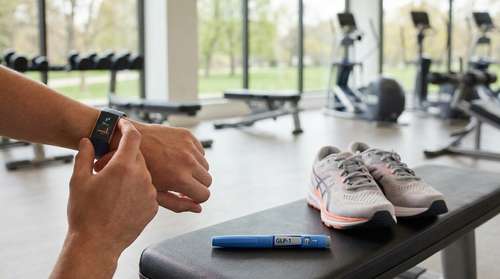
Perhaps the most commercially significant aspect of the roadmap is Peloton's direct address to the Ozempic muscle mass exercise crisis. With nearly 15% of the adult population now estimated to be using GLP-1 agonists for weight management, the medical community has raised alarms about sarcopenia—the rapid loss of muscle mass alongside fat.
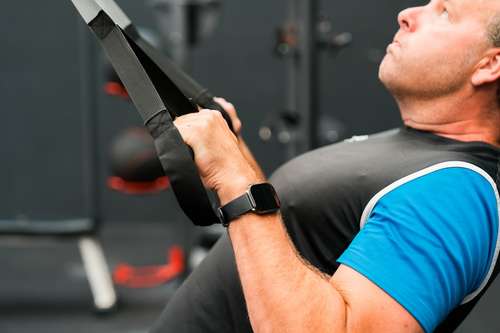
Stern announced the immediate rollout of specialized strength training for GLP-1 members. These protocols are not merely existing classes repackaged; they are scientifically designed hypertrophy programs aimed at preservation. The company is leveraging its new "Cross Training Series" hardware, released late last year, to facilitate this.
Why Strength Matters More Than Ever
For users on medications like Wegovy or Zepbound, resistance training is non-negotiable. The 2026 roadmap highlights partnerships with leading metabolic health clinics to prescribe Peloton strength programs as a standard "companion dosage" to the injections. By positioning the platform as a medical necessity rather than a luxury, Peloton aims to secure insurance reimbursement eligibility—a holy grail for the fitness tech sector.
Peloton IQ: AI That Can See You
While the hardware remains premium, the software is getting a brain transplant. Peloton IQ AI coaching is the company's answer to the stagnating personal training market. utilizing the computer vision cameras embedded in the latest Tread+ and Row models, Peloton IQ offers real-time form correction.
Unlike generic fitness apps that simply count reps, Peloton IQ understands biomechanics. If your knees cave in during a squat or your back arches during a deadlift, the system pauses the workout to offer audio-visual corrections. Stern emphasized that this does not replace beloved instructors like Robin Arzón or Ben Alldis. Instead, it acts as a "spotter," ensuring safety and efficiency while the human talent provides motivation. This hybrid model represents the cutting edge of connected fitness trends 2026.
The Commercial & Corporate Expansion
The roadmap also details a renewed aggression in the commercial space. Recognizing that the hybrid work model is permanent, Peloton is expanding its footprint in corporate wellness programs and luxury hospitality. The integration of Precor's commercial reliability with Peloton's software magic is finally hitting its stride, with a goal to have a Peloton presence in every major hotel chain by the end of the year.
As the company stabilizes its stock price and redefines its value proposition, Peter Stern's message is clear: Peloton is done chasing fads. The 2026 strategy is built on the biological realities of aging and the technological inevitability of AI, positioning the brand as an essential infrastructure for modern longevity.