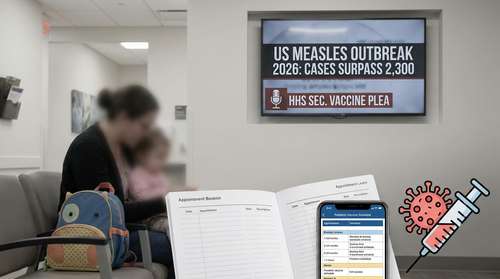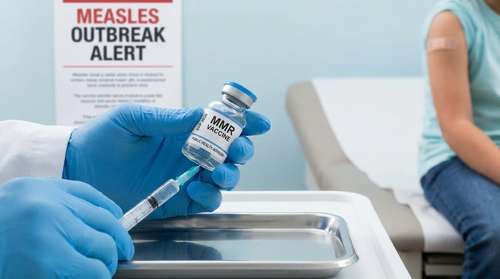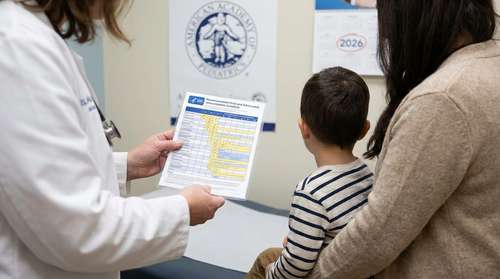
Wednesday, February 25, 2026 – For the first time in American history, parents walking into their pediatrician’s office are facing two contradictory realities. As the Senate convenes today for the confirmation hearing of Surgeon General nominee Casey Means, the rift between the nation’s top pediatric experts and federal health agencies has reached a breaking point. The American Academy of Pediatrics (AAP) has officially refused to endorse the 2026 childhood vaccine schedule released by the Centers for Disease Control and Prevention (CDC), urging families to ignore the new federal guidance that recategorizes crucial immunizations under a confusing "shared clinical decision-making" model.
The Historic 2026 AAP vs. CDC Split
The controversy exploded earlier this month when the CDC, under the direction of HHS Secretary Robert F. Kennedy Jr., released a radically revised immunization schedule. The new federal guidelines removed routine universal recommendations for vaccines protecting against Hepatitis A, Hepatitis B, Rotavirus, Influenza, and COVID-19, moving them instead to a category known as "shared clinical decision-making" (SCDM). In an unprecedented move, the AAP and 12 other major medical organizations rejected this schedule entirely, releasing their own AAP 2026 immunization guidelines that maintain routine universal vaccination for all 18 major preventable diseases.
"We are asking parents to trust the pediatrician they see every check-up, not a politicized federal schedule that has abandoned decades of public health success," stated AAP President Dr. Andrew Racine in a press briefing following the cancellation of this week’s Advisory Committee on Immunization Practices (ACIP) meeting. The cancellation, confirmed yesterday by HHS, has left the medical community in shock, further widening the gap between clinical practice and federal policy.
What is "Shared Clinical Decision-Making"?
The core of the child health controversy 2026 lies in the CDC’s expansion of the "shared clinical decision-making" designation. Historically reserved for niche vaccines like Meningococcal B for specific risk groups, this category essentially makes a vaccine optional, requiring a case-by-case discussion between doctor and patient rather than a default recommendation.
Under the new 2026 CDC guidelines:
- Routine Status Removed: Vaccines for Hep A, Hep B, and Rotavirus are no longer "routine" for healthy children.
- Insurance Implications: Experts fear that without a "routine" recommendation, insurance companies may no longer be federally mandated to cover these shots without a copay, though major insurers have pledged coverage through 2026.
- The "Denmark Model": HHS officials argue this aligns the U.S. with "peer nations" like Denmark, which recommends fewer childhood vaccines. However, U.S. pediatricians argue that America’s lack of universal healthcare and higher poverty rates make such comparisons dangerous.
The Vaccines in Limbo
For parents, the confusion is practical and immediate. If you follow the CDC’s new 2026 schedule, your child might skip the Rotavirus or Hepatitis B series unless you specifically request it. If you follow the AAP’s schedule—which 90% of U.S. pediatricians adhere to—your child will receive the same standard of care that has been in place for years. The divergence has created a chaotic landscape where pediatric vaccine recommendations depend entirely on which authority your state or doctor chooses to follow.
States Choose Sides in Vaccine War
The fallout has spilled over into state politics. As of this week, 27 states have announced they will reject the CDC’s new guidance and continue to enforce school entry requirements based on the AAP’s robust schedule. This effectively creates a two-tiered public health system in the United States.
"States are scrambling," explains health policy analyst Dr. Sarah Gunderson. "School superintendents need clear guidance. When the CDC says a shot is 'optional' but the AAP says it's 'essential,' schools are left holding the bag. Most are sticking with the AAP because measles and hepatitis don't care about federal policy changes."
What Parents Need to Do Now
With the ACIP meeting cancelled and the Surgeon General hearings occupying the news cycle, the noise can be overwhelming. Pediatricians advise a simple approach for the 2026 check-up season:
1. Stick to the Medical Home: Your pediatrician is likely following the AAP guidelines. Ask them specifically: "Are we following the AAP schedule today?"
2. Check Insurance Coverage: While coverage remains stable for now, call your insurer if you are charged for a vaccine that was previously free.
3. Don't Skip the "SCDM" Shots: Just because the CDC labeled the Flu or Hep B vaccine as "shared decision-making" does not mean the disease risk has changed. These remain critical protections for children attending school or daycare.
As the Senate debates the future of public health leadership today, the message from the country’s pediatricians is clear: The politics may have shifted, but the science of saving children's lives has not.