The rapid rise of medications like semaglutide and tirzepatide has transformed obesity treatment, but a persistent clinical concern has shadowed their success: the disproportionate loss of lean muscle. New data released today, April 17, 2026, fundamentally changes the protocol for how these medications should be prescribed. The latest findings confirm that pairing these drugs with a specialized resistance program dramatically improves outcomes, with patients achieving 1.8 times more weight loss. This breakthrough establishes a new clinical standard for GLP-1 muscle retention and long-term patient health.
Inside the Omada Health Study April 2026
In the highly anticipated 12-week clinical trial, researchers followed 245 adults with a body mass index (BMI) of 30 or higher who had recently started a GLP-1 prescription for weight management. The cohort was divided: 151 participants were enrolled in Omada Health's specialized GLP-1 Care Track, while 94 control participants relied on the medication alone or non-Omada wellness programs. Both groups utilized connected at-home scales to measure weight and body composition, alongside surveys tracking emotional well-being and physical function.
The results were stark. Participants using the dedicated care track lost an average of 6.0% of their starting weight compared to just 3.3% in the control group. Beyond the scale, the body composition metrics provided the most compelling evidence for strength training for weight loss drugs. The active intervention group reduced their overall body fat percentage by 3.3%—two times the rate of the control group—while simultaneously increasing their muscle mass percentage by nearly three times.
Medical professionals have long known that dropping weight too quickly can compromise physical function, but the exact data detailing how to mitigate this risk has been scarce until now. This trial provides concrete proof that pharmacological interventions require behavioral and physical scaffolding to reach their full potential.
Why Sarcopenia Prevention Matters for Weight Loss
During standard, gradual weight loss achieved through traditional diet and exercise, roughly one-fourth of the eliminated weight is expected to come from lean mass. However, the accelerated shedding driven by next-generation GLP-1 receptor agonists can push that number dangerously high. Clinical observations indicate that up to 40% of the weight patients lose on these medications can be lean tissue, encompassing bone density, connective tissue, and muscle.
The Hidden Risks of Rapid Fat Reduction
Losing that much muscle alters a person's resting metabolic rate. Muscle is highly metabolically active tissue; the less of it you carry, the fewer calories your body burns at rest. This creates a severe rebound effect if a patient ever decides to stop taking the medication or reduce their dosage. Furthermore, rapid muscle depletion accelerates age-related decline, leading to frailty, fatigue, and decreased mobility.
The urgency to prevent muscle loss Ozempic and similar drugs cause has forced the medical community to look beyond the pharmacy counter. By prioritizing sarcopenia prevention weight loss protocols, physicians can ensure patients aren't just becoming smaller, but actually becoming metabolically healthier and physically more capable.
The New Gold Standard: GLP-1 Companion Fitness
What exactly makes a wraparound care approach so effective? The Omada program doesn't just tell patients to simply "exercise more." It relies on a highly structured medical-fitness integration that pairs users with a human care team, targeted strength-focused programming, and ongoing digital support to build sustainable habits.
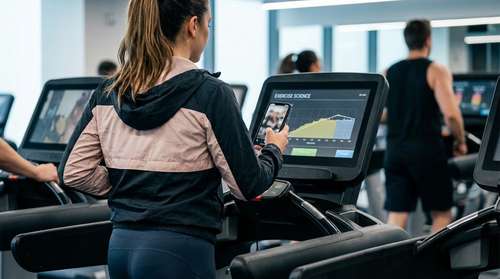
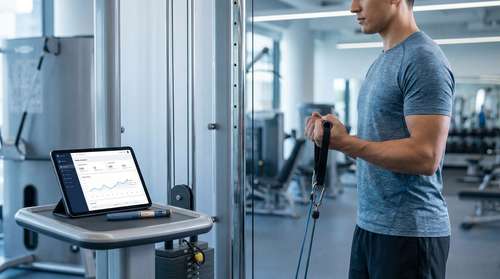
Instead of prescribing endless hours on a treadmill, the protocol heavily favors personalized resistance exercises. Whether lifting weights at a gym or performing modified bodyweight movements like squats and push-ups in a living room, this regimen signals the central nervous system to preserve muscle tissue even while operating in a steep caloric deficit. This targeted mechanical tension is the non-negotiable trigger for maintaining strength during rapid mass reduction.
Interestingly, the intervention's benefits extended beyond the physical. Patients enrolled in the care track reported markedly higher scores in mental health, physical functioning, and confidence in their ongoing weight loss journey. This psychological boost is critical for long-term adherence, proving that GLP-1 companion fitness is as much about behavior modification and self-efficacy as it is about physical exertion.
The Future of Metabolic Health Fitness in 2026
As employers and health plans evaluate the staggering financial cost of covering anti-obesity medications, the demand for sustained return on investment has never been higher. Paying thousands of dollars annually for a prescription is only viable if the patient achieves lasting metabolic improvement without developing secondary complications like orthopedic issues or severe fatigue.
Delivering Value for Health Plans and Employers
The Omada study also signals a critical turning point for the insurance market. By combining remote care with pharmaceutical interventions, digital health platforms are demonstrating that structured wrap-around support maximizes the efficacy of GLP-1s. For self-insured employers, investing in a program that doubles the fat loss of expensive weight management drugs—while mitigating the healthcare costs associated with muscle loss—transforms a high-cost pharmacy benefit into a predictable, long-term health investment. It answers the looming question of what happens after the initial weight loss phase concludes.
The healthcare landscape is rapidly shifting from simply dispensing drugs to prescribing comprehensive lifestyle architecture. As we look at the state of metabolic health fitness 2026, isolated pharmacological treatment is quickly becoming obsolete. The integration of virtual care, continuous human coaching, and rigorous resistance training is now the mandated blueprint for modern obesity care.
For patients beginning their journey with these powerful medications, the takeaway from today's data release is uncompromising: the injection is only half the prescription. Engaging in targeted strength training and building physical resilience is the mandatory second half to ensure the weight you lose is the weight you actually want to lose.