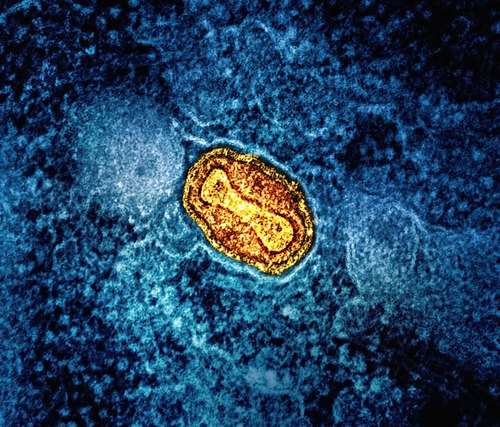
As we navigate the first weeks of 2026, the respiratory virus landscape is being defined by two major developments: the rapid dominance of the NB.1.8.1 'Nimbus' variant and a breakthrough study redefining how we understand Long COVID. Health officials have confirmed that NB.1.8.1, an ultra-contagious Omicron sub-lineage, is now driving the majority of new infections across the United States. Simultaneously, breaking research published this week in eClinicalMedicine has identified distinct Long COVID symptom clusters, offering new hope for targeted long-term COVID fatigue treatment.
The Nimbus Wave: Understanding the NB.1.8.1 Variant
The Nimbus COVID strain 2026 (scientifically classified as NB.1.8.1) has quickly outpaced previous iterations like LP.8.1 to become the dominant strain this winter. While data from the CDC and WHO suggests that Nimbus does not cause more severe disease in vaccinated populations, its transmissibility is unprecedented. The variant carries specific spike protein mutations that allow it to bypass first-line immune defenses more effectively than its predecessors.
What sets the NB.1.8.1 variant symptoms apart is the intensity of upper respiratory complaints. Doctors are reporting a sharp rise in patients describing a "razor blade" sore throat—a stabbing, intense pain often appearing before other signs like congestion or fever. Unlike the general fatigue seen in 2024's variants, the Nimbus onset is acute and rapid, often incubating in just 2-3 days.
Key Symptoms to Watch in January 2026
If you are feeling unwell this month, be on the lookout for this specific progression of new COVID symptoms 2026:
- Severe, sharp sore throat (the hallmark "Nimbus" sign)
- High fever lasting 24-48 hours
- Intense night sweats
- Upper back and neck muscle aches
- Persistent dry cough
Breaking: New Study Reveals Long COVID Symptom Clusters
In a major development for chronic condition management, a massive systematic review published yesterday in eClinicalMedicine has mapped out the specific Long COVID symptom clusters that affect millions worldwide. The study, led by researchers at Lanzhou University, analyzed data from over 2.4 million patients to move beyond the generic label of "Long COVID" and identify specific clinical subtypes.
The latest COVID news January 2026 highlights that these subtypes are not random. The study identified that symptoms tend to "travel together" in predictable patterns. For instance, patients experiencing neurological issues (brain fog, dizziness) are statistically more likely to also suffer from specific types of fatigue, distinct from those who primarily have respiratory-focused Long COVID.
The Three Primary Subtypes
The researchers classified patients into three main overlapping groups, which could revolutionize long-term COVID fatigue treatment by allowing doctors to tailor therapies:
- The Neurological-Fatigue Cluster: Characterized by disabling exhaustion, brain fog, and post-exertional malaise.
- The Respiratory-Cardiac Cluster: Defined by shortness of breath, palpitations, and chest tightness.
- The Multi-System Inflammatory Cluster: Involving joint pain, gastrointestinal issues, and skin rashes.
Navigating the 2026 Viral Landscape
With the COVID variant 2026 update pointing toward high transmission rates, experts recommend a renewed focus on layered protection. The updated 2025-2026 boosters remain highly effective at preventing hospitalization from the Nimbus strain, even if they don't completely block infection.
For those managing lingering effects, the new cluster-based approach to diagnosis suggests that "one-size-fits-all" rehab is obsolete. If you suspect you fit into one of the newly defined Long COVID symptom clusters, speak to your provider about targeted interventions—whether that means pulmonary rehab for the respiratory cluster or pacing strategies for the fatigue subtype. As we move further into 2026, precision medicine is finally catching up to the virus.