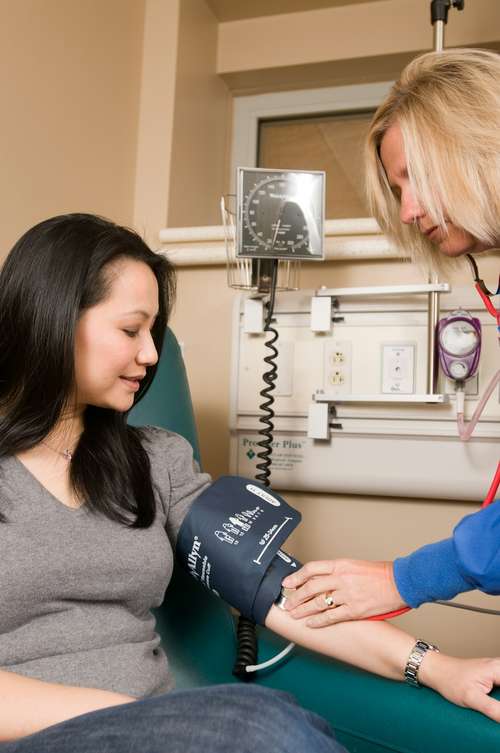
A groundbreaking new study published today has fundamentally shifted our understanding of high blood pressure in pregnancy, revealing that even minor elevations in systolic pressure can drive a significant rise in complications. The massive analysis, involving over 700,000 women, serves as a wake-up call for prenatal care standards in 2026.
The Silent Danger: Minor Elevations Matter
For decades, medical guidelines have focused primarily on clinical hypertension—typically defined as blood pressure readings exceeding 140/90 mmHg. However, the new research published in BMC Medicine by researchers at the University of Bristol suggests this threshold may be missing a critical window for prevention. The study found that higher maternal blood pressure—even within ranges previously considered "safe" or borderline—is a direct cause of adverse outcomes.
Using a sophisticated technique called Mendelian randomization, which uses genetic data to isolate cause-and-effect relationships, the researchers determined that for every 10 mmHg increase in systolic blood pressure, the risk of preterm delivery jumps by 12%. Similarly, the likelihood of requiring labor induction rises by 11%. These findings indicate that the physiological stress of elevated pressure begins affecting fetal development long before a woman is diagnosed with preeclampsia.
Breaking Down the Risks: Preterm Birth and Diabetes
The scope of this study—the largest of its kind to date—allowed researchers to pinpoint specific maternal health risks in 2026 with unprecedented precision. Beyond preterm birth, the data revealed a causal link between higher blood pressure and gestational diabetes, a condition that complicates thousands of pregnancies annually.
"Our findings suggest that higher maternal blood pressure increases the risk of multiple adverse pregnancy outcomes," stated Fernanda Morales-Berstein, the study’s lead author. She noted that these risks include giving birth to smaller babies and the infant requiring admission to neonatal intensive care units (NICU). This direct correlation challenges the traditional "wait and watch" approach often taken with mild blood pressure elevations.
The Role of Gestational Hypertension Complications
Gestational hypertension is often viewed as a temporary condition, but this new evidence underscores its immediate danger. The study highlights that the vascular stress associated with gestational hypertension complications restricts blood flow to the placenta, directly impacting fetal growth. Unlike observational studies of the past, which could be biased by factors like socioeconomic status or diet, this genetic analysis confirms that the blood pressure elevation itself is the culprit.
Implications for Prenatal Care in 2026
This research arrives at a pivotal moment. As maternal age at delivery rises globally, so does the prevalence of cardiovascular risk factors. The study's senior author, Deborah Lawlor, emphasized that conventional trials have often been too small to detect these subtle but widespread effects. With this new data, obstetricians may need to rethink preterm birth prevention strategies.
Medical experts are now suggesting that pregnancy wellness tips should prioritize cardiovascular health well before conception. Monitoring blood pressure trends—rather than just checking for a specific high number—could become the new standard. Early intervention, potentially through lifestyle modifications or closer monitoring for women with a genetic predisposition to higher pressure, could save lives.
Actionable Steps for Expecting Mothers
While the study results are concerning, they also offer a pathway to empowerment. Understanding that blood pressure is a modifiable risk factor allows women to take proactive steps. To mitigate maternal mortality risk factors and improve outcomes, experts recommend:
- Regular Home Monitoring: Don't rely solely on prenatal visits. Tracking your numbers at home can help spot upward trends early.
- Stress Management: Chronic stress contributes to systolic spikes. Mindfulness and adequate sleep are medical necessities, not luxuries.
- Early Screening: Ask your provider about your cardiovascular risk profile during your first trimester.
As the medical community digests this prenatal health study, the message for 2026 is clear: when it comes to blood pressure in pregnancy, every point counts. By shifting focus from treatment to early prevention, we can better protect both mothers and the next generation.