In a groundbreaking development for cognitive longevity, new research confirms that a consistent aerobic exercise routine can biologically reverse brain aging by nearly a full year. Published this week in the Journal of Sport and Health Science, a study from the AdventHealth Research Institute provides compelling evidence that 150 minutes of weekly moderate-to-vigorous activity is the magic number for keeping your mind sharp. As longevity fitness trends 2026 continue to focus on healthspan over lifespan, this discovery offers a practical, science-backed blueprint for protecting brain health in midlife.
The 150-Minute Benchmark: A Game-Changer for Brain Health
The study, led by Dr. Lu Wan and Dr. Kirk I. Erickson at the AdventHealth Research Institute, is one of the first to quantify exactly how much exercise is needed to see measurable structural changes in the brain. Researchers followed 130 healthy adults, aged 26 to 58, over a 12-month period. Participants were divided into two groups: one maintained their usual lifestyle, while the other committed to a structured aerobic exercise program totaling 150 minutes exercise per week.
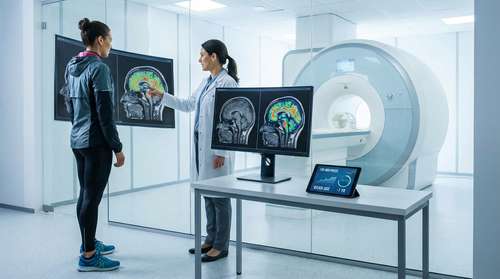
Using high-resolution MRI brain scan fitness study techniques, scientists measured "brain age"—a biomarker indicating how old the brain appears relative to the person's chronological age. The results were striking. While the control group's brains aged typically (appearing slightly older after a year), the exercise group's brains effectively turned back the clock. On average, those who exercised saw their brain age decrease by approximately 0.6 years. When compared to the control group's decline, the net benefit was a brain that looked nearly one full year younger.
Why Midlife is the Critical Window for Cognitive Fitness
One of the most significant aspects of this research is its focus on early-to-mid adulthood. Historically, most research on exercise for brain health has focused on older adults who are already experiencing cognitive decline. However, this study suggests that the critical window for prevention opens much earlier—decades before symptoms of dementia or Alzheimer's typically appear.
"From a lifespan perspective, nudging the brain in a younger direction in midlife could be very important," noted Dr. Kirk Erickson, the study's senior author. The findings indicate that fitness for cognitive health isn't just about preserving function in your 70s; it's about building a neural reserve in your 30s, 40s, and 50s. By reducing brain age now, individuals may be buffering themselves against future neurodegeneration. Small shifts in biological aging during these formative decades can compound, potentially adding up to years of preserved cognitive function later in life.
The Science: How Aerobic Exercise Reverses Brain Aging
How exactly does moving your body change the structure of your mind? The study highlights the connection between cardiorespiratory fitness (measured as VO2 peak) and brain plasticity. Aerobic exercise benefits for memory and processing speed likely stem from improved blood flow, reduced inflammation, and the release of neurotrophic factors like BDNF (Brain-Derived Neurotrophic Factor), often dubbed "fertilizer for the brain."
The MRI scans utilized advanced machine learning algorithms to calculate the "brain-predicted age difference" (brain-PAD). A higher brain-PAD means your brain looks older than you are, which correlates with higher mortality risk and poorer cognitive performance. The participants who engaged in brisk walking, jogging, or cycling lowered their brain-PAD significantly. This proves that we have the power to reverse brain aging through lifestyle choices, specifically by improving our cardiovascular efficiency.
Actionable Steps: Hitting the 150-Minute Goal
Achieving these brain-boosting benefits doesn't require training for a marathon. The study's protocol aligned with standard public health guidelines: roughly 2.5 hours of moderate intensity activity per week. Here is how you can integrate this into a busy schedule to capitalize on these findings:
- Brisk Walking: A 30-minute fast-paced walk, five days a week, meets the quota perfectly.
- Zone 2 Cardio: Activities like cycling or swimming where you can maintain a conversation but feel slightly breathless.
- Consistency is Key: The brain age reversal was observed after 12 months of steady routine, emphasizing that exercise for brain health is a long-term investment, not a quick fix.
Setting the Tone for Longevity Trends in 2026
As we move further into 2026, the definition of fitness is evolving. We are seeing a shift away from purely aesthetic goals toward functional longevity. This AdventHealth study reinforces the narrative that physical exercise is arguably the most potent neuroprotective drug available. It empowers individuals to take control of their cognitive destiny through accessible, cost-effective means.
Whether you are 35 or 55, the message is clear: It is not too late (or too early) to start. By prioritizing those 150 minutes of movement, you aren't just building a stronger body—you are building a younger, more resilient brain.