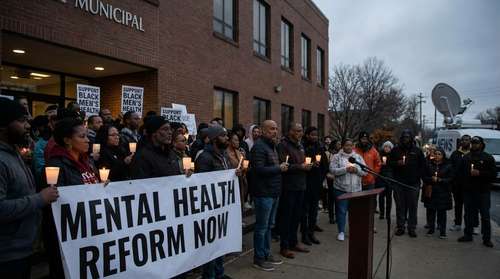
The nation is reeling from a devastating weekend of violence that has abruptly shifted the public conversation toward an escalating healthcare emergency. The recent headlines—dominated by the shocking murder-suicide involving former Virginia Lieutenant Governor Justin Fairfax and an incomprehensible mass shooting in Louisiana—have catalyzed a nationwide movement. Public health experts and community advocates are demanding immediate action, pointing to these incidents as grim evidence of failing support systems. Amid the influx of Justin Fairfax mental health news, a painful but necessary dialogue has emerged regarding the deadly consequences of untreated trauma and the urgent need for proactive care.
The Shocking Reality Behind the Headlines
On April 16, 2026, Justin Fairfax fatally shot his estranged wife, Cerina, before turning the gun on himself in their Northern Virginia home while their two teenage children were present. Just days later, on April 19, a 31-year-old father named Shamar Elkins murdered eight children—including seven of his own—and critically wounded his estranged wife and another woman across two homes in Shreveport. While one perpetrator was a formerly prominent political figure and the other a private citizen, both tragedies shared chilling similarities. They were deeply rooted in domestic disputes and separation, culminating in extreme violence that devastated families and shocked the public to its core.
Addressing Domestic Violence and Mental Illness
The grim overlap between domestic violence and mental illness can no longer be ignored by policymakers. Law enforcement officials noted that the Shreveport massacre, the deadliest mass shooting in the U.S. since January 2024, stemmed directly from domestic turmoil and a pending separation. Similarly, the Fairfax tragedy unfolded amid what police described as a "complicated or messy divorce" combined with heavy isolation and depression following a dramatic fall from political grace. In both cases, the signs of escalating crisis ended in unspeakable loss.
Clinical psychologists warn that when severe psychological distress, isolation, and relationship breakdown are left untreated, the risk of domestic violence skyrockets. A purely reactive approach to behavioral health is proving entirely inadequate. Instead, implementing robust crisis prevention programs for communities is essential. These initiatives train local leaders, educators, and family members to identify behavioral warning signs before a crisis reaches a lethal flashpoint, offering intervention pathways that do not rely exclusively on law enforcement.
Mental Health Resources for Black Men: A Critical Gap
A central theme emerging from these consecutive tragedies is the profound impact of racial health disparities in America. Both Fairfax and Elkins were Black men navigating significant life stressors, bringing renewed attention to the unique barriers marginalized groups face when seeking psychological help. The stigma surrounding psychological vulnerability often prevents individuals from seeking care, but systemic hurdles are equally paralyzing.
There is a severe, documented shortage of mental health resources for Black men that provide culturally competent, accessible care. For decades, the healthcare system has struggled to offer environments where Black men feel safe discussing trauma, depression, or emotional instability without facing judgment or institutional bias. Advocates stress that dismantling these disparities requires targeted funding for therapists of color, community-based support groups, and localized public awareness campaigns. We must reframe seeking help as an act of self-preservation and strength rather than a weakness.
The Blueprint for Behavioral Health Care Reform 2026
The catastrophic events of mid-April have mobilized lawmakers and public health officials to draft aggressive new policies. Behavioral health care reform 2026 is rapidly becoming a legislative priority, shifting the focus from emergency response to a structured "preventative first" model. Experts argue that waiting for a 911 call is waiting too long; the healthcare infrastructure must engage individuals long before they consider violence against themselves or their loved ones.
Prioritizing Preventative Mental Health Support
At the heart of the proposed reform is the rapid expansion of preventative mental health support. This includes integrating behavioral health screenings into routine primary care visits, mandating comprehensive insurance coverage for preventative therapy sessions, and funding localized crisis intervention teams. By treating mental fitness with the exact same urgency as physical health, communities can build safety nets that catch individuals spiraling into despair.
The heartbreaking loss of life in Virginia and Louisiana serves as a stark, undeniable warning. The cost of a fractured healthcare system is measured not in budget deficits, but in shattered families, orphaned children, and traumatized communities. As the nation mourns the victims of these horrific acts, the demand for comprehensive, equitable, and proactive mental health infrastructure has never been louder. If society is to prevent the next headline, the reform must begin immediately.