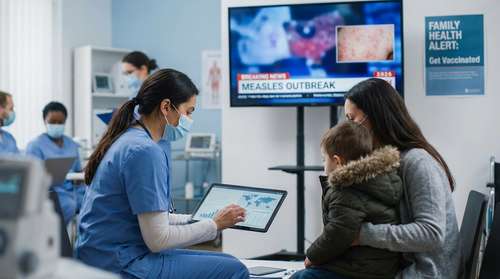
Public health officials are sounding the alarm as a sharp rise in measles infections sweeps through South Carolina and Washington state this January, threatening the nation's disease elimination status. With the South Carolina Upstate outbreak alone surpassing 640 cases this week, the situation has evolved into a critical public health emergency. The majority of these new infections involve school-aged children, prompting urgent calls for parents to monitor for symptoms and verify vaccination records immediately. As measles outbreak 2026 updates continue to emerge, families are urged to stay vigilant against this highly contagious respiratory virus.
South Carolina Measles Exposure Sites and Case Surge
The situation in South Carolina has escalated rapidly, with the Department of Public Health (DPH) reporting a staggering total of 646 confirmed cases as of January 20, 2026. The outbreak is heavily concentrated in Spartanburg County but has ripple effects across the region. Officials have identified multiple new high-traffic exposure sites, raising concerns about community spread in South Carolina measles exposure sites beyond the initial clusters.
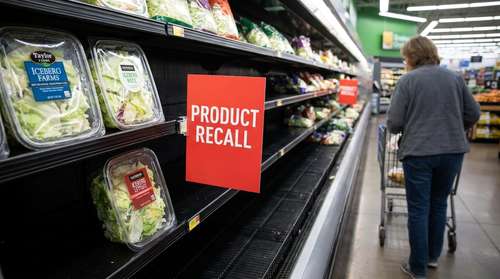
Parents should be aware of potential exposures at major retail chains and public venues. Recent confirmed exposure windows include a Publix in Duncan on January 16 and a Food Lion in Inman on January 11-12. Other identified locations include a Walmart on Cedar Springs Road, the Best Buy on Woodruff Road in Greenville, and the South Carolina State Museum in Columbia. If you visited these locations during the specified times, health officials advise monitoring for symptoms for 21 days.
The outbreak has severely impacted the education system, with significant quarantines in effect. School health alerts January 2026 have been issued for over a dozen institutions, including Boiling Springs High School, Starr Elementary, and Global Academy. Furthermore, the virus has reached higher education, with dozens of students now in quarantine at Clemson University and Anderson University.
Washington State Measles Outbreak: A Coast-to-Coast Threat
While South Carolina battles the largest cluster, the West Coast is facing its own resurgence. The Washington state measles outbreak has officially been declared after confirmed cases appeared in Snohomish and Kittitas counties. In a concerning development, officials linked three cases in Snohomish County—comprising unvaccinated siblings—to a traveling family from South Carolina, demonstrating how easily the virus can traverse state lines.
Authorities have flagged SeaTac Airport and various locations in King and Snohomish counties as exposure sites between late December and early January. This cross-country transmission underscores the critical need for vigilance regardless of your location. The Bellevue School District and other local educational bodies have reinforced immunization guidelines, urging families to ensure their children are up-to-date on their shots before returning to classrooms.
Recognizing Measles Symptoms in Children
Early detection is vital for preventing further spread. Measles symptoms in children typically appear 7 to 14 days after contact with the virus. The illness often begins with cold-like signs, including a high fever (often spiking above 104°F), a persistent cough, a runny nose, and distinctive red, watery eyes (conjunctivitis).
Three to five days after these initial symptoms, the tell-tale rash appears. It usually starts at the hairline and spreads downward to the neck, trunk, arms, legs, and feet. Small white spots (Koplik spots) may also appear inside the mouth two to three days after symptoms begin. If you suspect your child has measles, do not go directly to a waiting room. Call your healthcare provider immediately to arrange a safe evaluation that protects other patients.
MMR Vaccine Safety 2026 and Prevention Strategies
In the wake of these outbreaks, misinformation can be as dangerous as the virus itself. Medical experts emphasize that MMR vaccine safety 2026 data remains consistent and reassuring: the vaccine is safe, effective, and the single best defense against infection. Two doses of the MMR vaccine are 97% effective at preventing measles. The CDC recommends the first dose at 12 through 15 months of age, and the second dose at 4 through 6 years of age.
For measles prevention for families, the strategy is straightforward: check your vaccination status. Adults who do not have presumptive evidence of immunity should get at least one dose of the MMR vaccine. Unvaccinated people, including infants under 12 months, are at the highest risk of severe complications, which can include pneumonia and encephalitis (swelling of the brain).
Actionable Steps for Parents
With the virus circulating in communities from the Southeast to the Pacific Northwest, passivity is not an option. Review your family's immunization records today. If you are in an affected area like Upstate South Carolina or Western Washington, be hyper-aware of the exposure sites listed by local health departments. Keeping children home if they show any signs of illness is crucial to breaking the chain of transmission. By staying informed and proactive, we can protect our most vulnerable and halt this resurgence.