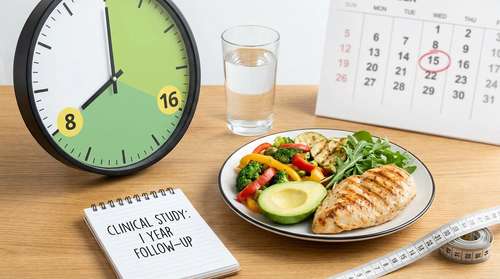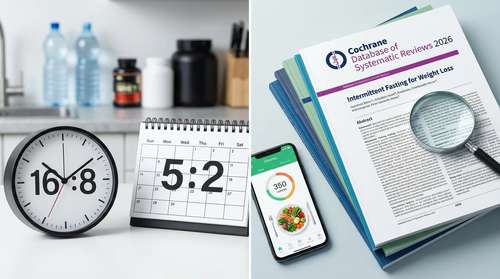
For years, intermittent fasting (IF) has been hailed as the holy grail of weight loss—a metabolic hack endorsed by A-list celebrities and biohackers alike. But a massive new Cochrane review weight loss study released on February 17, 2026, has delivered a sobering verdict: when it comes to shedding pounds, fasting is no more effective than old-fashioned calorie counting. The landmark analysis, which examined data from over 2,000 participants, concludes that for the vast majority of overweight adults, the "hype outpaces the evidence."
The "Magic Bullet" Theory Crumbles
The diet industry was shaken this morning as the Cochrane Library—widely considered the gold standard for evidence-based medicine—published its comprehensive review of 22 randomized clinical trials. The study, led by Dr. Luis Garegnani of the Cochrane Associate Centre in Buenos Aires, sought to answer a definitive question: is intermittent fasting better than calorie restriction for long-term weight management?
The answer appears to be a resounding "no." After analyzing trials involving 1,995 adults across North America, Europe, China, and Australia, researchers found that IF protocols resulted in "little to no difference" in weight loss compared to standard continuous energy restriction (CER) diets. Specifically, the data showed a negligible difference of just -0.33% in weight change between fasters and traditional dieters over periods up to 12 months.
"Intermittent fasting just doesn't seem to work for overweight or obese adults trying to lose weight any better than other methods," Garegnani stated in the report. "It may be a reasonable option for some, but the current evidence simply does not justify the massive enthusiasm we see on social media."
Celebrity Hype vs. Scientific Reality
The cultural grip of intermittent fasting has been fueled largely by star power rather than clinical data. For the better part of a decade, the 16:8 diet effectiveness has been touted by figures like Jennifer Aniston, who famously declared she "doesn't eat breakfast," and Hugh Jackman, who used the protocol to shred for his role as Wolverine. This celebrity validation helped transform a niche eating pattern into a global phenomenon.
Why the 16:8 and 5:2 Methods Aren't Superior
The Cochrane review specifically scrutinized the most popular iterations of the diet, including the 16:8 method (fasting for 16 hours, eating for 8) and the 5:2 approach (eating normally for five days, severely restricting calories for two). The intermittent fasting results study data suggests that while these methods do lead to weight loss, the mechanism is mundane: they simply force people to eat less.
Contrary to claims that fasting unlocks special metabolic pathways or "magical" fat-burning states, the review indicates that the benefits are almost entirely derived from the resulting caloric deficit. When participants reduced their calories by the same amount without fasting, they lost the same amount of weight.
Analysis: Why "Intermittent Fasting Debunked 2026" is Trending
This news comes at a critical time for nutrition research updates. As we move further into 2026, the public is becoming increasingly skeptical of wellness trends that promise effortless results. This study reinforces the fundamental thermodynamic principle of weight loss: calories in versus calories out.
One of the most concerning findings for IF proponents was the lack of long-term data. Most of the 22 trials lasted less than a year, and researchers noted that adherence often drops off sharply as time goes on. Skipping meals can lead to compensatory overeating during feeding windows, effectively canceling out the deficit created by the fast.
The Verdict: Should You Abandon Fasting?
Does this mean IF is useless? Not necessarily. While the tagline intermittent fasting debunked 2026 makes for a dramatic headline, the nuance lies in personal preference. The Cochrane researchers admitted that for some individuals, strict time windows are easier to follow mentally than counting every calorie.
If you are looking for the best weight loss diets 2026 has to offer, the "best" one remains the one you can stick to. If skipping breakfast helps you maintain a caloric deficit without feeling deprived, it remains a valid tool. However, the notion that it offers a metabolic advantage has been effectively dismantled. As Dr. Garegnani noted, obesity is a chronic condition requiring sustainable, long-term management—not a quick fix dependent on a clock.
Ultimately, this review serves as a reality check. The path to health isn't paved with magic timings or celebrity secrets, but with consistent, balanced nutritional choices that fit your lifestyle.