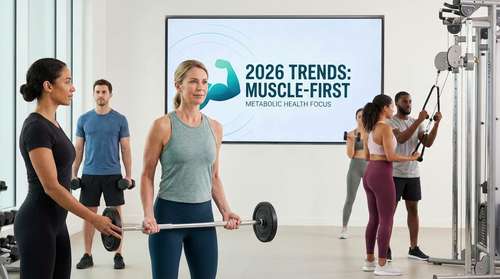
As prescriptions for medications like Wegovy, Zepbound, and other injectable therapies reach historic highs this spring, the American fitness landscape is undergoing a radical transformation. For decades, the commercial gym industry relied heavily on banks of cardio equipment to attract patrons seeking rapid fat loss. Today, that paradigm has flipped. The widespread adoption of these medications has sparked a sudden and necessary pivot toward targeted GLP-1 fitness routines anchored almost exclusively in lifting weights. Rather than focusing on burning maximum calories, the new industry mandate is all about saving muscle.
The Hidden Cost of the Medication Boom
The clinical success of modern anti-obesity medications is undeniable, but it arrives with a complex physiological catch. When patients shed pounds at an accelerated rate through chemically induced caloric deficits, the body does not discriminate perfectly between fat and muscle. Recent clinical data reveals that up to 39% of the weight lost during GLP-1 treatment can actually come from lean mass. Over time, this rapid depletion of muscle tissue significantly elevates the risk of a dangerous condition known as sarcopenic obesity.
Characterized by low muscle mass combined with a high body fat percentage, sarcopenic obesity fundamentally compromises human biomechanics. Losing lean tissue doesn't just reduce physical strength and balance; it drastically slows down the basal metabolic rate. If a patient ever pauses or stops the medication, this depressed metabolism makes it exponentially harder to prevent rapid fat regain. As a result, sarcopenic obesity prevention has become a massive priority for both the medical community and the fitness industry. To combat this hidden danger, fitness professionals are steering clients away from the treadmill and directly toward the dumbbell rack.
Gyms Evolve: The Rise of Medical Fitness
In response to shifting demographics and the urgent need for muscle retention, major fitness operators are completely redesigning their business models. We are currently observing a profound shift among 2026 fitness trends, where the line between a traditional gym and a clinical wellness center has effectively vanished. As of March 2026, over a dozen national fitness operators have launched dedicated programs to support members taking these medications.
Luxury chains are aggressively leading the charge. Equinox recently introduced specialized coaching protocols designed specifically to help users retain lean tissue and optimize their hormones. Meanwhile, Life Time has rapidly expanded its MIORA clinics, integrating bloodwork, medical weight-loss prescriptions, and personal training under one roof. The democratization of medical fitness is also reaching high-value, low-price operators; chains like Planet Fitness and Crunch Fitness have formed strategic telehealth referral partnerships to offer wraparound support to their massive member bases. The message across the board is clear: utilizing pharmaceutical interventions requires a highly specialized approach to physical movement.
Structuring a Weight Loss Drug Exercise Plan
Creating an effective regimen on these medications requires shifting your mindset from sheer exhaustion to strategic preservation. Patients frequently report persistent fatigue and lower energy levels as their daily caloric intake drops significantly. Pushing through grueling high-intensity interval training (HIIT) or prolonged endurance sessions can actually be counterproductive, elevating cortisol and further breaking down muscle tissue. Instead, the modern approach centers heavily on sustainable resistance training for weight loss.
A well-structured weight loss drug exercise plan doesn't require hours of heavy powerlifting. The most effective muscle preservation workouts share a few core, science-backed principles:
- Frequency over extreme volume: Engaging in two to three 30-minute full-body strength sessions weekly is completely sufficient to provide the biological signal your body needs to hold onto muscle.
- Progressive overload: Gradually increasing the resistance—whether using kettlebells, resistance bands, cable machines, or your own bodyweight—ensures continuous muscle stimulation and adaptation.
- Compound movements: Exercises like squats, deadlifts, and chest presses activate multiple large muscle groups simultaneously, offering the best return on energy invested for fatigued individuals.
The Protein Partnership
However, no amount of lifting can preserve muscle if the body lacks the vital building blocks to repair it. Because these medications drastically reduce appetite and slow gastric emptying, patients often struggle to consume adequate nutrients. To adequately fuel metabolic health strength training, targeted nutrition is absolutely non-negotiable. Current clinical guidelines recommend that individuals aiming to preserve muscle while dropping weight should consume between 1.2 and 1.6 grams of protein per kilogram of body weight daily. Pairing this strict nutritional baseline with consistent resistance exercises creates a robust protective buffer against muscle wasting.
Redefining the Future of American Health
The industry is witnessing the end of the traditional cardio-heavy era of fitness. The seamless integration of pharmacology and biomechanics has elevated the importance of heavy resistance training from a niche bodybuilding pursuit to a foundational pillar of preventative healthcare. By prioritizing muscle retention over mere calorie burning, individuals utilizing these breakthrough therapies aren't just shrinking their waistlines—they are actively building a stronger, more resilient metabolic engine for decades to come.