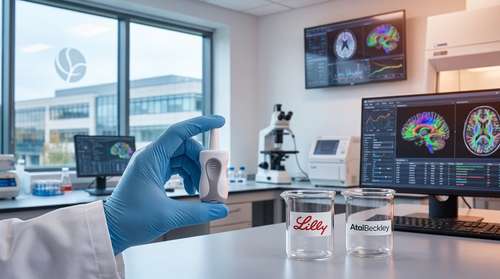
A revolutionary new chapter in psychiatric care has begun with the official launch of GlobalMinds, a landmark initiative set to become the world's largest study dedicated to personalized mental health treatment. Announced this week, the project aims to recruit 50,000 participants across England and Wales to unlock the genetic secrets behind severe mental illnesses. By combining DNA analysis with detailed clinical records, this ground-breaking GlobalMinds mental health study seeks to end the "trial and error" era of prescribing and usher in a new age of precision medicine for depression, bipolar disorder, and schizophrenia.
A New Era of Personalized Psychiatry DNA Research
For decades, treating severe mental illness has been a guessing game. Patients often endure months or years of testing different medications, coping with debilitating side effects while waiting for relief. GlobalMinds aims to change this narrative permanently. Led by mental health data science company Akrivia Health in partnership with Cardiff University and the NHS, the study will build the most comprehensive dataset of its kind ever assembled.
"GlobalMinds provides an unprecedented opportunity to uncover and identify the many personal and biological factors behind mental health conditions," explains Professor James Walters, Director of the Centre for Neuropsychiatric Genetics and Genomics at Cardiff University. By analyzing saliva and blood samples alongside NHS electronic health records, researchers hope to identify specific biological markers that predict how an individual will respond to treatment. This approach, known as personalized psychiatry DNA research, mirrors the precision techniques that have already transformed cancer care.
The Science: How Precision Medicine for Depression 2026 Works
The core hypothesis of GlobalMinds is that mental health conditions are not monolithic; two people with the same diagnosis of major depression may have vastly different biological drivers. The study focuses on precision medicine for depression 2026 strategies, moving beyond symptom checklists to look at the molecular roots of illness. Participants will provide genetic samples that allow scientists to examine their genome for variants linked to drug metabolism and disease risk.
Connecting Genes to Clinical Outcomes
What makes GlobalMinds unique is its scale and depth. Unlike previous studies that looked at genetics in isolation, this initiative links DNA data directly with real-world clinical outcomes from NHS records. This allows researchers to see not just who gets sick, but which treatments worked for patients with specific genetic profiles. The findings could lead to new diagnostic tests that tell doctors exactly which drug to prescribe first, saving patients from the "long odyssey" of ineffective treatments.
Targeting Bipolar Disorder and Schizophrenia
While depression is a major focus, the study is also a critical bipolar disorder genetic study. Severe mental illnesses like schizophrenia, psychosis, and bipolar disorder often have strong hereditary components that are poorly understood. By recruiting individuals specifically diagnosed with these severe conditions, GlobalMinds hopes to isolate the genetic signatures that distinguish these disorders from one another, potentially leading to the reclassification of mental illnesses based on biology rather than just behavior.
"We want GlobalMinds to bring the same breakthroughs to mental health that we've seen in other fields," said Dr. Adrian James, NHS England's National Medical Director for Mental Health. The study represents one of the most significant mental health breakthroughs 2026 has to offer, promising to reduce the burden of illness for millions globally.
The Future of Psychiatric Treatment is DNA-Based
The implications of this research extend far beyond the UK. As the study expands internationally, the data generated will fuel the future of psychiatric treatment worldwide. Pharmaceutical companies and researchers will use this bioresource to develop novel therapies that target specific biological pathways identified by the study. In the near future, DNA-based mental health care could become the standard, where a simple cheek swab during a clinic visit guides every treatment decision.
Currently, recruitment is being facilitated through the NHS DigiTrials service, which is contacting eligible patients directly. With support from major charities like Rethink Mental Illness and funding from the Wellcome Trust, the project ensures that the voices of those with lived experience remain at the center of this scientific revolution. As recruitment ramps up, the medical community watches with high hopes that GlobalMinds will finally unlock the door to truly personalized mental healthcare.