The United States is facing a critical juncture in behavioral health care, but a major federal investment aims to change the trajectory. In a decisive move to combat the ongoing youth mental health crisis and support vulnerable adults, the U.S. Department of Health and Human Services (HHS) has rolled out a sweeping financial package. Announced on March 7, 2026, this latest HHS mental health news details a $69.1 million initiative administered through the Substance Abuse and Mental Health Services Administration (SAMHSA).
This massive injection of mental health funding 2026 targets the root causes of addiction, homelessness, and severe psychological distress. By prioritizing early intervention and community partnerships, federal health officials hope to provide a sustainable lifeline to families and health systems stretched thin by skyrocketing demands.
Breaking Down the $69.1 Million SAMHSA Grants 2026
The newly announced funding is carefully distributed across three specific grant programs designed to address severe mental illness and bolster suicide prevention programs nationwide. Instead of applying a one-size-fits-all approach, SAMHSA has targeted specialized areas of care. Health officials designed these initiatives to connect marginalized individuals to evidence-based treatments before they reach a breaking point.
The three core pillars receiving financial support include the Children’s Mental Health Initiative (CMHI), the Assisted Outpatient Treatment (AOT) program, and specialized frameworks for clinical environments. Together, these channels ensure that both young Americans and adults grappling with complex psychiatric conditions receive continuous, comprehensive support rather than fragmented emergency responses. The AOT program, in particular, focuses on individuals with serious mental illness who struggle with voluntary treatment adherence, providing court-ordered outpatient care that keeps them integrated within their communities rather than institutionalized.
Implementing the Zero Suicide Framework
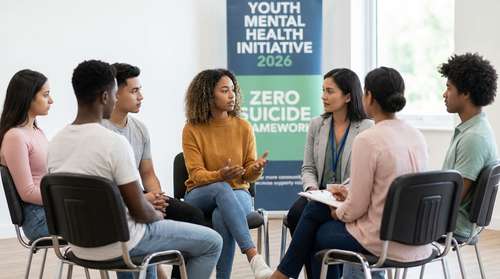
A significant portion of the newly announced grants will drive the Zero Suicide framework into more health systems across the country. This model operates on a foundational, paradigm-shifting belief: suicide deaths among patients actively receiving care within health systems are entirely preventable.
Rather than leaving safety protocols to individual practitioners, the framework demands a system-wide, organizational commitment to patient safety. The funds will help clinical facilities train their staff, standardize screening processes, and implement continuous quality improvement measures. When health systems adopt this rigorous, multi-setting approach, patients experiencing suicidal ideation are far less likely to fall through the cracks during transitions of care. Hospitals and clinics utilizing these funds will be expected to radically transform their internal workflows to prioritize immediate, effective interventions.
Tackling the Youth Mental Health Crisis Head-On
The Children’s Mental Health Initiative (CMHI) represents another massive focus of the SAMHSA grants 2026. Pediatricians and child psychologists have sounded the alarm for years regarding the surge in adolescent depression and anxiety. Early intervention is paramount. The CMHI funding equips local communities to build robust, family-driven support networks for children exhibiting signs of serious emotional disturbance.
By bringing resources directly into schools, primary care settings, and community centers, the initiative empowers caregivers to act proactively. Kids facing severe distress need immediate, localized care, and this funding allows community partners to scale up their pediatric behavioral health services rapidly. This community-based approach significantly reduces the reliance on emergency room visits for psychiatric crises among teenagers and young adults.
Strategic Impact of the New Mental Health Funding 2026
The March 2026 deployment of these funds aligns with broader federal strategies to overhaul behavioral healthcare in America. HHS Secretary Robert F. Kennedy, Jr. recently noted that these grants are essential components of a larger strategy to strengthen community safety and advance the President's Great American Recovery Initiative. By directly addressing factors that exacerbate mental illness—such as housing instability and lack of accessible care—the administration aims to foster long-term recovery and self-sufficiency.
Additionally, Kathryn Burgum, Senior Advisor for Addiction Recovery, emphasized that recovery is highly achievable when communities can reach people early with evidence-based treatments. Investing in community-level infrastructure allows medical providers to shift their focus from reactive crisis management to proactive healing. SAMHSA Principal Deputy Assistant Secretary Christopher D. Carroll echoed this sentiment, pointing out that reducing suicide rates remains a top strategic priority aimed at permanently altering America's behavioral health landscape.
What This Means for Health Systems and Healthvot Readers
For healthcare administrators, clinicians, and advocates following the latest updates on healthvot, these grants represent immediate opportunities to expand service capabilities. Organizations operating suicide prevention programs or outpatient clinics can now apply for federal backing to implement evidence-based protocols that might otherwise exceed their operational budgets.
If you work within a community health organization, now is the time to evaluate how the Zero Suicide framework or CMHI parameters align with your local demographic needs. The application windows for these SAMHSA grants 2026 are highly competitive, requiring a clear demonstration of how local programs will bridge existing care gaps and track long-term outcomes.
Ultimately, this $69.1 million commitment reflects a growing national consensus: true mental healthcare requires sustained, localized investment. As communities navigate the complexities of severe psychological distress and addiction, having robust federal backing ensures that life-saving behavioral health interventions remain accessible to those who need them most.