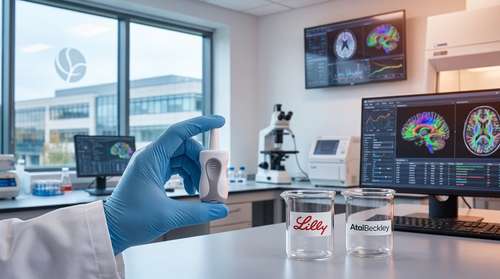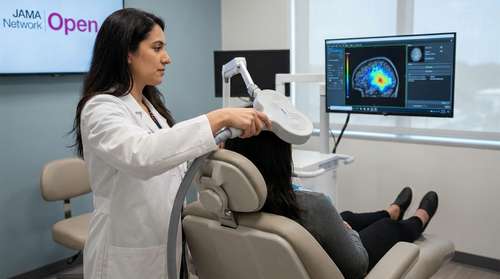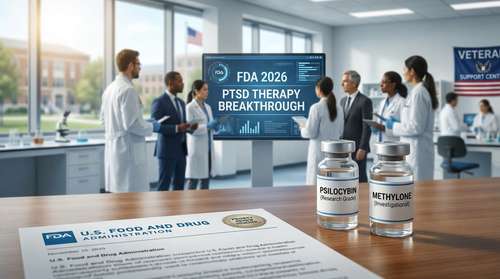
The regulatory landscape for psychiatric medicine shifted fundamentally this week as federal agencies mobilized to combat the nation's escalating psychological crisis. In a decisive move toward the highly anticipated FDA psychedelic approval 2026, the U.S. Food and Drug Administration officially announced sweeping measures on April 24 to expedite clinical access to perception-altering medications. This unprecedented regulatory surge directly follows a landmark White House executive order aimed at overhauling how America treats complex psychiatric conditions, effectively opening the door for life-saving clinical applications of once-stigmatized compounds.
For the estimated 14 million American adults living with severe mental illness, this policy shift represents a monumental turning point. The FDA's rapid deployment of breakthrough therapy priority vouchers promises to drastically compress the evaluation timeline for specialized compounds, cutting what is traditionally a year-long review process down to mere months. Leading the charge are targeted clinical advancements, specifically focusing on psilocybin for treatment-resistant depression and the rapidly emerging methylone PTSD therapy breakthrough, both of which are demonstrating remarkable clinical efficacy where conventional pharmaceuticals have repeatedly failed.
The Dawn of a Mental Health Breakthrough in 2026
The catalyst for this week's regulatory transformation was the April 18 signing of the Accelerating Medical Treatments for Serious Mental Illness executive order. The directive commanded an immediate, coordinated effort between the FDA, the Department of Health and Human Services (HHS), and the Department of Veterans Affairs (VA) to eliminate bureaucratic bottlenecks stalling innovative psychiatric research.
Rather than outright legalization, the federal mandate establishes rigorous clinical pathways. On April 24, federal health officials confirmed the agency is actively issuing priority review vouchers to pharmaceutical innovators. By prioritizing therapies that have already demonstrated substantial clinical improvement over existing standards of care, the government is signaling that this mental health breakthrough 2026 is rooted in urgent medical necessity rather than broader drug policy reform. Ultimately, the framework being established this week sets a definitive timeline for FDA psychedelic approval 2026, ensuring that life-saving treatments reach the public without unnecessary delay.
Fast-Tracking Psilocybin and Methylone Therapies
At the center of this accelerated clinical pipeline are specific serotonin-2A agonists and related therapeutic compounds that have consistently outperformed traditional antidepressants in late-stage trials.
The prioritization of psilocybin for treatment-resistant depression addresses a massive vulnerability in modern psychiatry. Millions of patients do not respond to standard selective serotonin reuptake inhibitors (SSRIs). Advanced clinical data suggests that psilocybin, administered within a controlled therapeutic framework, can promote rapid neuroplasticity. This allows patients to reset deeply entrenched depressive thought patterns after just a few guided sessions, providing a sustainable alternative to daily medication.
Equally compelling is the methylone PTSD therapy breakthrough. While earlier psychedelic research heavily focused on other compounds like MDMA, methylone—a closely related entactogen—is currently being fast-tracked due to its unique pharmacological profile. Clinical investigators note that methylone offers a shorter, more manageable duration of action while still providing the profound emotional openness required for patients to safely process severe trauma. By utilizing breakthrough therapy priority vouchers, the FDA ensures that the final phases of clinical testing for these specific therapies are completed with unprecedented speed.
Modernizing Psychedelic-Assisted Therapy Regulations
Integrating perception-altering compounds into the mainstream healthcare system requires an entirely new framework of oversight. Current psychedelic-assisted therapy regulations are being actively rewritten to accommodate the complexities of these treatments, which require extensive clinical monitoring and specialized psychotherapeutic support.
The FDA and the Drug Enforcement Administration (DEA) are actively collaborating to streamline Schedule I handling authorizations for clinical researchers. Furthermore, the updated federal guidance seeks to expand patient access under the Right to Try Act for individuals who have exhausted all other medical options. To fuel this modernization, the executive order directs the Advanced Research Projects Agency for Health (ARPA-H) to allocate at least $50 million to partner with state governments, ensuring that localized clinical infrastructure can support the impending FDA psychedelic approval 2026.
Transforming Veteran Mental Health Treatments
Perhaps no demographic stands to benefit more profoundly from this policy shift than America's military veterans. With suicide rates among veterans persistently hovering at more than twice the rate of the civilian population, traditional pharmaceutical cocktails have proven tragically inadequate.
Veterans advocacy groups have fiercely championed this legislative pivot. For years, the veteran community has argued that standard psychiatric care is insufficient for the complex moral injuries and extreme trauma sustained in combat. By mandating deep collaboration between the FDA and the VA, the executive order ensures that veteran mental health treatments will be the primary testing ground for these expedited clinical rollouts.
Federal funding is already being reallocated to support real-world evidence generation within VA networks. This guarantees that veterans will have frontline access to emerging clinical protocols, shifting these therapies from a last-resort option to an accessible, primary medical intervention. As the medical community anticipates the finalized FDA psychedelic approval 2026 framework, the convergence of political will, overwhelming clinical data, and urgent public health needs has created a perfect storm for innovation. For millions of Americans suffering in silence, the rapid advancement of these clinical programs offers more than just new pharmaceutical options—it offers genuine, scientifically grounded hope.