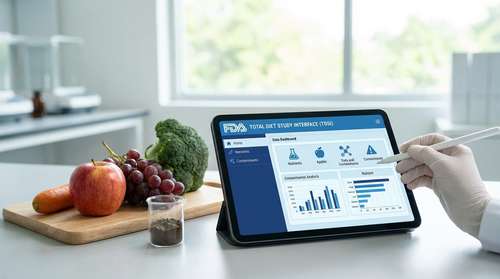
The U.S. Food and Drug Administration (FDA) has officially ushered in a new era of nutritional transparency with the launch of the Total Diet Study Interface (TDSi). Released on January 27, 2026, this groundbreaking interactive tool empowers consumers, researchers, and policymakers with direct access to critical data on the chemical and nutritional makeup of the American food supply. By transforming decades of static reports into a dynamic, searchable dashboard, the FDA is giving the public an unprecedented look at exactly what is in their food—from essential nutrients to hidden contaminants like pesticides and heavy metals.
A New Standard for Food Safety Transparency
For over 60 years, the FDA's Total Diet Study (TDS) has served as the nation's "market basket" survey, monitoring the safety and nutritional quality of foods consumed by the average American. However, until now, this vast treasure trove of data was locked away in dense, static PDF reports that were difficult for the average person to navigate. The launch of the TDSi interactive tool changes the game completely, fulfilling a core component of the agency's commitment to modernizing food safety protocols.
The new interface allows users to easily visualize trends, filter data by specific food groups, and download comprehensive datasets. This shift towards "radical transparency" aligns with broader public health goals, including the "Make America Healthy Again" initiative, which prioritizes giving citizens the information they need to make informed dietary choices. Instead of relying on third-party interpretations, you can now look at the raw data yourself to understand the prevalence of various chemicals in the national diet.
Inside the Dashboard: What You Can Track
The TDSi is structured around three primary dashboards, each designed to shed light on a different aspect of food composition. This granular level of detail enables users to pinpoint specific concerns without wading through irrelevant data.
1. The Elements Dashboard
This section focuses on both nutrient elements and toxic heavy metals. Users can track levels of beneficial minerals like calcium, iron, and potassium across hundreds of foods. Simultaneously, the tool provides visibility into the presence of potentially harmful contaminants such as arsenic, lead, cadmium, and mercury. For parents concerned about heavy metals in baby food or individuals managing specific dietary conditions, this feature provides vital, data-driven insights.
2. The Pesticides Dashboard
Perhaps the most anticipated feature, this dashboard presents detailed data on pesticide residues and metabolites found in the food supply. With the ongoing public debate regarding pesticide exposure and health, this tool offers a factual baseline. It covers a wide range of agricultural chemicals, showing which foods contain residues and at what levels, helping shoppers decide where to prioritize organic purchases or wash produce more thoroughly.
3. The Radionuclides Dashboard
While often less discussed, monitoring for radioactive contamination remains a key part of the FDA's safety surveillance. This dashboard tracks radionuclides in the food supply, ensuring that levels remain well within safety standards and providing reassurance regarding environmental safety and food quality.
Comprehensive Data from 2018 to 2022
The launch of the TDSi coincides with the release of the most recent cycle of Total Diet Study data, covering fiscal years 2021 and 2022. The tool currently houses complete datasets spanning from 2018 through 2022. This four-year window is crucial for identifying emerging trends. For instance, you can analyze whether the levels of a specific contaminant in leafy greens have increased or decreased over time, or if nutrient density in certain processed foods has shifted.
The FDA collects these samples from the same retail outlets where consumers shop—grocery stores and supermarkets across the country. The foods are then prepared as they would be in a typical home kitchen (washed, peeled, or cooked) before analysis. This methodology ensures that the data reflects the food as it is actually consumed, rather than in its raw, agricultural state, providing a realistic assessment of dietary exposure.
Empowering Consumers to Make Informed Decisions
The release of the FDA Total Diet Study tool is more than just a technical upgrade; it represents a shift in power. By making high-quality data accessible, the FDA is enabling a more informed public. Shoppers can now move beyond marketing claims and fear-mongering headlines to see the hard numbers for themselves. Whether you are a researcher looking for raw data to support a study, or a health-conscious parent trying to avoid specific chemical additives, the TDSi offers a reliable, government-verified resource.
As the FDA continues to update the platform with new data cycles, the TDSi will grow into an even more robust resource. This initiative sets a new benchmark for government accountability and nutritional transparency, ensuring that the safety of the American food supply is an open book for everyone to read.