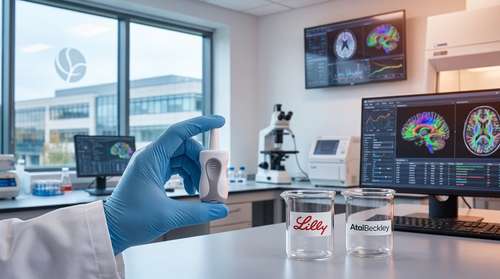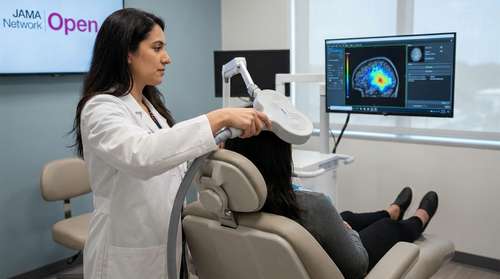
Millions of adults struggling with difficult-to-treat mental health conditions just received a massive wave of hope. Following the recent milestone clearance of an FDA approved depression device known as the Proliv™Rx system, the landscape of psychiatric care is experiencing a seismic shift. Yesterday, on March 26, 2026, leading neurotechnology company BrainsWay announced a major $6 million milestone-based investment in Neurolief, the creators of this groundbreaking technology. This pivotal financial backing not only accelerates the rollout of this at-home depression treatment but also cements a new standard of care for patients who have found no relief from traditional medications.
A Treatment-Resistant MDD Breakthrough
For individuals diagnosed with Major Depressive Disorder (MDD), finding an effective intervention can be an exhausting and discouraging journey. Medical data suggests that up to 70% of patients fail to respond adequately to their initially prescribed antidepressant. Until recently, those requiring advanced, non-pharmacological interventions had to rely almost entirely on in-clinic procedures like Transcranial Magnetic Stimulation (TMS). While TMS is highly effective, consistent clinic-based care presents immense logistical, geographical, and financial hurdles for many people.
The Proliv Rx system actively shatters these conventional barriers. Granted rigorous Class III Premarket Approval (PMA) by the U.S. Food and Drug Administration, this prescription-only, physician-directed therapy is a verified first of its kind. It offers a genuine treatment-resistant MDD breakthrough by bringing clinical-grade neuromodulation directly into the patient's living room. The device is explicitly indicated as an adjunctive therapy for adults who have not achieved satisfactory symptom improvement from at least one prior antidepressant medication.
How Wearable Neuromodulation Works
Unlike traditional pharmacological medications that circulate systemically and frequently cause widespread side effects, this new system utilizes highly targeted wearable neuromodulation. The underlying mechanism powering the device is known as external Combined Occipital and Trigeminal Afferent Stimulation, or eCOT-AS.
Patients simply wear a comfortable, non-invasive headset that features specialized output electrodes resting against the scalp. The device delivers gentle, calibrated electrical pulses directly to the occipital and trigeminal nerve branches located on the head and face. These targeted sensory nerves act as direct physiological highways to the brainstem, transmitting vital signals to higher brain regions intricately involved in mood, arousal, and autonomic regulation.
By indirectly influencing these deeper mood-related circuits, this non-invasive brain stimulation offers a low-risk alternative to more intensive psychiatric procedures. The FDA's rigorous PMA process requires direct clinical evidence of safety and efficacy. In the pivotal MOOD clinical trial, patients using the device experienced significantly higher remission rates and substantial reductions in depression severity scores compared to a control group, all while reporting only mild, transient side effects.
BrainsWay Investment News Signals Market Confidence
The broader medical and financial communities are taking close note of this regulatory triumph. The latest BrainsWay investment news highlights a highly strategic, calculated move to capture the rapidly expanding remote healthcare sector. On March 26, BrainsWay finalized their $6 million convertible loan to Neurolief—a direct financial trigger resulting from the FDA's green light.
This second tranche of milestone funding brings BrainsWay's total investment in the startup to $11 million. Market analysts view this financial maneuver as a brilliant integration of resources. While clinic-based treatments remain a vital tool for many, accessibility constraints inherently limit their reach. According to corporate leadership, this synergistic partnership aims to bridge the gap between BrainsWay's powerful, established in-clinic Deep TMS platform and Neurolief’s remote capabilities. By retaining a call option to potentially acquire Neurolief outright in the future, BrainsWay is aggressively positioning itself to offer a comprehensive, data-driven spectrum of care that spans both the clinical office and the home environment.
Expanding Access to At-Home Depression Treatment
What does this market convergence mean for the average patient battling persistent depressive symptoms? Primarily, it signifies a long-overdue democratization of advanced mental health care. The ability to administer an evidence-based, high-tech therapy from the comfort of home eliminates the need for daily clinical commutes. This convenience is particularly crucial for individuals who are already struggling with the debilitating fatigue and motivational deficits intrinsic to severe depression.
Furthermore, this breakthrough is a game-changer for patients residing in rural or underserved areas, where specialized interventional psychiatry clinics are virtually nonexistent. By decentralizing care, providers can continuously monitor patient progress through integrated digital platforms, adjusting treatment protocols remotely without ever requiring an in-person visit.
Looking Ahead to Broad Availability
With fresh capital fully secured, Neurolief is rapidly scaling its commercial operations across the United States. The company has already taken critical steps toward broad accessibility, including establishing pricing on the Veterans Affairs Federal Supply Schedule, ensuring that military veterans have streamlined access to this innovative therapy.
As deployment expands throughout early 2026 into behavioral health programs and integrated care networks, the combination of remote digital monitoring with continuous physician supervision will likely become a foundational pillar of modern psychiatric treatment. Ultimately, the powerful fusion of rigorous regulatory validation and robust financial backing ensures that this technology will soon reach the hands of those who need it most. The era of personalized, remote neuromodulation has officially arrived.