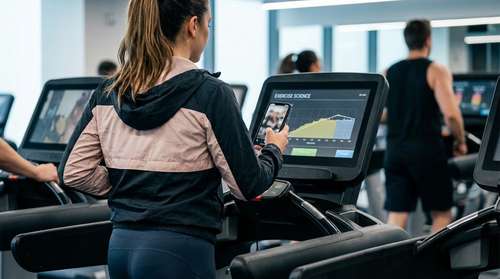
A groundbreaking meta-analysis released in February 2026 has fundamentally shifted the global conversation around mental health, confirming that consistent exercise for depression is often more effective than traditional treatments. The massive global review, published in the British Journal of Sports Medicine, analyzed data from over 79,000 participants, leading experts to label physical activity a biological 'wonder drug' for the brain.
The New 'Gold Standard' for Mental Health
The study, led by researchers including Neil Richard Munro, is the most comprehensive umbrella review to date. It synthesized evidence from 81 prior meta-analyses, covering over 1,000 randomized controlled trials. The findings are stark: for many individuals, structured physical activity functions as a powerful form of exercise as medicine, delivering symptom reduction that matches or exceeds that of antidepressants and psychotherapy.
"This meta-meta-analysis provides robust evidence that exercise effectively reduced depression and anxiety symptoms across all age groups," the authors concluded. The data suggests that for mild to moderate cases, the biological impact of movement creates a 'reset' mechanism in the brain, validating preventative healthcare fitness strategies that prioritize the gym over the pharmacy cabinet.
Aerobic Exercise for Anxiety and Depression
Not all movement is created equal. The 2026 review offers specific prescriptions based on the condition being treated, moving beyond generic advice to "just move more."
Running and Dancing for Depression
The data highlights that benefits of running for brain health are particularly potent for depressive symptoms. High-energy, aerobic activities—specifically running, dancing, and swimming—showed the highest efficacy. Furthermore, the social component matters; supervised group exercise programs provided significantly greater relief than solo workouts, underscoring the dual power of biological exertion and social connection.
Low-Intensity Movement for Anxiety
In contrast, the review found that aerobic exercise for anxiety doesn't always need to be high-intensity. Shorter interventions (up to 8 weeks) of lower-intensity activities, such as yoga or light resistance training, were highly effective. This distinction is crucial for mental health fitness trends 2026, suggesting that burnout-prone individuals should focus on consistency and mindfulness rather than intensity.
Fitness vs Therapy: A Shift in Prescriptions
The debate of fitness vs therapy is becoming less about competition and more about integration. While the study does not suggest abandoning traditional therapy—especially for severe clinical cases—it argues that exercise should be a first-line treatment. The effect sizes noted in the study (Standardized Mean Difference of -0.61 for depression) are comparable to those typically seen in pharmaceutical trials.
Experts are now calling for "exercise prescriptions" to become standard practice. Instead of a pill, a doctor might prescribe a 12-week running group or a strength training cycle. This shift aligns with the growing demand for holistic, side-effect-free interventions in Western healthcare systems.
Who Benefits the Most?
One of the most promising findings of the 2026 review is its universality. Improvements were seen across all demographics, but specific groups showed the most dramatic responses:
- Young Adults (18-30): This demographic, currently facing a global mental health crisis, responded most vigorously to exercise interventions.
- Postnatal Women: New mothers showed significant symptom reduction, highlighting exercise as a critical tool for postpartum care.
- Clinical & Non-Clinical Populations: Both those with diagnosed disorders and those with sub-clinical symptoms benefited equally, reinforcing the role of preventative healthcare fitness.
The Future of Treatment
As we move further into 2026, the medical community is forced to reckon with the underutilization of fitness as a clinical tool. With accessibility being a major barrier to therapy, exercise offers a scalable, cost-effective solution. The message is clear: movement is not just about the body; it is the most accessible, potent medicine for the mind.