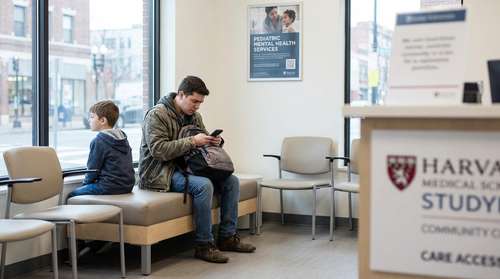
A groundbreaking new study published yesterday has exposed the depth of the child mental health crisis 2026, revealing that nearly one-quarter of American children with identified mental health needs are not receiving necessary treatment. The research, led by the Harvard Pilgrim Health Care Institute and published in JAMA Pediatrics, highlights a widening gap between the rising demand for pediatric behavioral health services and the ability of families to access them.
The Pediatric Mental Health Care Gap: A Growing Chasm
The study, released on February 16, provides one of the most comprehensive looks at the state of youth mental health care in the United States. analyzing data from the U.S. Census Bureau’s Household Pulse Survey. The findings are stark: while one in five U.S. households reported that a child needed mental health treatment, approximately 25% of those families could not access care for their children.
"Our analysis provides timely evidence that, despite the increasing awareness of youth mental health needs, access to necessary mental health care remains a challenge for a large number of U.S. households," stated Hao Yu, the study's senior author and an associate professor of population medicine at Harvard Medical School. This pediatric mental health care gap suggests that despite years of policy discussions, the infrastructure to support struggling youth remains critically insufficient.
Disparities in Family Health Care Access
The Harvard medical school study did not just highlight a general shortage; it pinpointed exactly who is falling through the cracks. The data reveals that the crisis is not affecting all families equally. Structural barriers are significantly higher for vulnerable populations, creating a two-tiered system of care where access is often determined by family structure and insurance status.
Researchers found that the likelihood of being denied care was substantially higher for:
- Single-parent households: Families led by a single parent faced steeper hurdles in coordinating and affording care compared to two-parent households.
- Medicaid recipients: Despite federal mandates, families relying on Medicaid mental health services reported greater difficulty in finding providers who accept their coverage.
- Larger families: Households with multiple children were more likely to report unmet treatment needs, likely due to compounded logistical and financial strain.
These disparities underscore the urgent need for family health care access reform that addresses the specific logistical realities of working-class and single-parent families.
Child Therapy Barriers: Why Families Can't Get Help
For the parents of the millions of children left without care, the obstacles are often multifaceted. The study's corresponding author, Alyssa L. Burnett, noted that among parents who identified a need for treatment, over 21% cited logistical difficulties as the primary reason their child went without help. These child therapy barriers include long waitlists, a shortage of providers in rural areas, and high out-of-pocket costs that even insured families cannot afford.
The data from the Household Pulse Survey (covering June 2023 through late 2024) indicates that simply having insurance is no longer a guarantee of access. "It is concerning to see larger gaps for... uninsured households and households with Medicaid," the researchers noted, emphasizing that the safety net is fraying for those who need it most.
Mental Health Resources for Parents
As the healthcare system struggles to catch up, experts are urging caregivers to be proactive in seeking mental health resources for parents. While systemic changes are necessary, there are immediate avenues families can explore to bridge the gap:
- School-Based Health Centers: Many districts are expanding on-site counseling services that do not require insurance or transportation to off-site clinics.
- Telehealth Options: Virtual therapy has become a vital lifeline, particularly for families in