For millions of American parents scheduling spring wellness visits this week, the CDC childhood vaccine schedule 2026 has become a source of unprecedented anxiety and confusion. Following a massive federal overhaul earlier this year that removed several routine immunizations from the universal list, families and healthcare providers are currently grappling with what medical experts are calling pediatric immunization whiplash. The dramatic policy shift comes at a critical moment, as local health departments across multiple states are responding this week to a troubling early-spring surge in vaccine-preventable illnesses.
Understanding the 3-Tiered Vaccine Framework
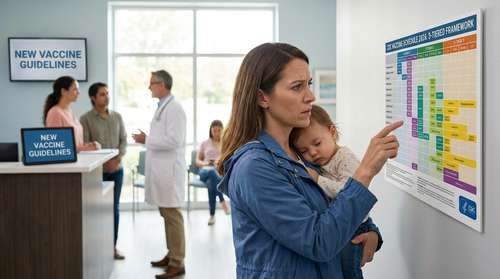
For decades, the United States relied on a universal, population-based approach to pediatric immunizations. However, the federal government recently fractured that standard by introducing a highly controversial 3-tiered vaccine framework. Instead of a single comprehensive list of shots designed to protect all children, the new model divides childhood immunizations into three distinct operational categories, drastically reducing the baseline requirements.
The Universal vs. Conditional Divide
The core list of universally recommended vaccines, classified as 'Routine,' has abruptly dropped from 18 diseases down to 11. This tier still includes long-standing inoculations against polio, measles, mumps, rubella, and chickenpox. However, the remaining immunizations have been filtered into two new conditional tiers. Shots protecting against Hepatitis A, Hepatitis B, and severe meningococcal disease are now restricted to a 'High-Risk Only' designation. Meanwhile, immunizations for influenza, rotavirus, and COVID-19 have been shifted into a 'Shared Clinical Decision-Making' category.
By reframing several formerly standard shots as optional childhood vaccines, the federal government aimed to offer families more personalized healthcare choices. Instead, the sudden departure from long-established medical norms—done without the traditional public review process—has left everyday parents scrambling to figure out which shots their children actually need to attend school and stay healthy.
Pediatric Immunization Whiplash: Doctors Push Back
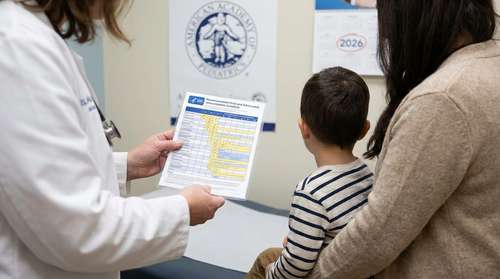
The chaotic rollout of the new vaccine guidelines for kids has created a heavily fractured medical landscape across the country. While federal agencies continue to promote the streamlined schedule, major medical organizations have actively broken from the CDC's official stance. The American Academy of Pediatrics (AAP), representing over 67,000 pediatricians nationwide, continues to strongly advise that doctors administer the original, comprehensive slate of 18 immunizations to all healthy children.
This unprecedented split between federal policy and frontline healthcare workers is creating immense friction in examination rooms this week. Parents are arriving at clinics expecting to follow the scaled-back federal guidelines, only to be urged by their local doctors to maintain the traditional protective regimen. The resulting tension has transformed standard wellness check-ups into lengthy, highly stressful debates over the safety, efficacy, and core necessity of preventative pediatric care.
A Looming Crisis: Preventable Disease Outbreaks 2026
The most alarming consequence of this ongoing policy dispute is playing out in communities nationwide right now. Public health officials are sounding the alarm over a documented rise in severe viral and bacterial infections. As overall vaccination rates begin to steadily dip under the new optional structures, leading epidemiologists warn that we are staring down the barrel of widespread preventable disease outbreaks 2026.
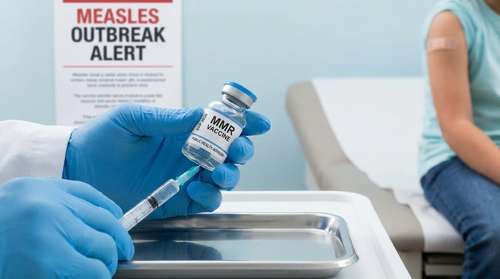
The real-world data paints a deeply concerning picture. Last year, the United States recorded over 2,200 measles cases—the highest volume since 1991—and the upward trend shows absolutely no signs of slowing down this spring. Additionally, pediatric influenza resulted in an agonizing 280 pediatric deaths during the recent winter season. Infectious disease experts caution that moving highly effective rotavirus and meningococcal vaccines into optional categories will rapidly erode community herd immunity. This policy shift leaves infants, the elderly, and immunocompromised children dangerously exposed to aggressive pathogens that were once largely eradicated from American schools.
Family Health News Update: What Parents Need to Know
If you are navigating these conflicting recommendations, this essential family health news update offers a clear, actionable path forward. First and foremost, do not panic about the financial implications. Despite the official reclassification of several vital shots, federal law and Affordable Care Act mandates currently dictate that major insurance companies must continue to fully cover all vaccines that were on the pediatric schedule prior to the 2026 changes. You will not face sudden, surprise out-of-pocket costs if you and your doctor choose the comprehensive protection route.
Medical professionals advise parents to prepare thoroughly for their upcoming pediatrician visits by reviewing their child's current immunization records ahead of time. Take full advantage of the newly emphasized shared clinical decision-making process by asking direct, specific questions about your child's unique risk factors, their school environment, and your family's lifestyle. While the new federal framework has undoubtedly shifted the heavy burden of choice directly onto families, your local, board-certified pediatrician remains your most valuable, science-backed resource in determining the safest, most effective long-term health strategy for your child.