In a landmark discovery that fundamentally reshapes our understanding of getting older, researchers at Vanderbilt University have identified a hidden cellular mechanism that actively reorganizes human cells as they age. The study, published on February 4, 2026, in Nature Cell Biology, reveals that aging is not merely a random accumulation of damage, but a programmable remodeling event driven by a process known as ER-phagy. This breakthrough suggests that the biological decline associated with aging could potentially be slowed or even managed by targeting this specific cellular switch.
The 'Hidden Switch': What is ER-phagy?
For decades, scientists viewed aging largely as a passive process—a gradual 'wear and tear' where cellular machinery breaks down over time like a rusting car. However, the new Vanderbilt aging study 2026 flips this script. The research team, led by Assistant Professor Kris Burkewitz, discovered that cells actively trigger a remodeling program encoded in their biology. At the center of this process is the endoplasmic reticulum (ER), the massive cellular factory responsible for producing proteins and fats.
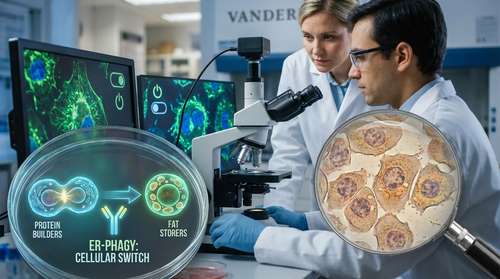
The study identifies ER-phagy (endoplasmic reticulum-selective autophagy) as the primary driver of this change. As we age, cells utilize ER-phagy to selectively break down the "rough" parts of the ER—areas dedicated to protein synthesis—and shift their architecture toward "tubular" structures that focus on lipid (fat) storage and metabolism. This transition marks a fundamental shift in cellular identity: from a builder of proteins to a hoarder of fats.
"We found that cells don't just fall apart; they change their job description," explains the research team. This programmed switch helps explain why aging bodies struggle with protein maintenance (leading to muscle loss and skin fragility) while becoming more prone to metabolic issues and fat accumulation. Understanding this ER-phagy aging research is the first step toward hacking the process.
A Protective Mechanism Gone Awry?
One of the most surprising findings from the Nature Cell Biology aging 2026 paper is that this remodeling isn't inherently bad—at least, not initially. The shift from protein production to lipid management appears to be a proactive, protective response. The researchers utilized advanced imaging and genetic tools to show that when cells sense an overload of misfolded proteins (a common stressor in aging), they activate ER-phagy to clear out the cluttered machinery.
In animal models, including C. elegans, preventing this remodeling actually shortened lifespan, proving that the switch is intended to help the organism survive. However, as the process continues unchecked, it may contribute to the permanent decline in cellular function that characterizes old age. This nuance is critical for those seeking healthy aging breakthroughs: the goal isn't to stop the process entirely, but to optimize it so cells can maintain a youthful balance between protein creation and stress management.
Cellular Remodeling and Longevity
The implications of this discovery for cellular remodeling longevity are immense. By mapping the specific proteins that control ER-phagy—such as the newly identified regulators discussed in the study—scientists now have tangible targets for drug development. If a therapy could fine-tune this switch, it might allow seniors to maintain "rough" ER function longer, preserving muscle mass and immune resilience well into their 80s and 90s.
Collaborating with the labs of Rafael Arrojo e Drigo and others, the team confirmed that this remodeling is conserved across species, from simple yeast to mammals. This universality suggests that the mechanism is a core component of biological life, making it a prime candidate for universal anti-aging interventions. For readers wondering how to slow biological aging, this research points away from generic antioxidants and toward precision therapies that maintain cellular architecture.
Future Therapies for Seniors
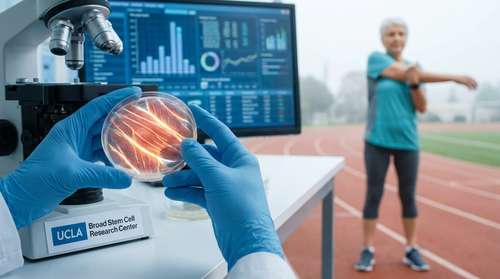
What does this mean for cellular health for seniors today? While a pill to reverse ER remodeling is likely years away, the study validates lifestyle interventions known to support autophagy, such as intermittent fasting and exercise. These activities are thought to stimulate the body's cleanup crews, potentially helping the ER manage stress without resorting to drastic, permanent remodeling.
The Vanderbilt team is now working to decouple the aging process from disease. If they can prevent the ER from abandoning its protein-building duties without compromising stress resilience, we could see a future where being 90 years old doesn't mean being frail. This discovery is a beacon of hope, proving that our cells aren't just dying—they are trying to survive, and we finally know how to help them.